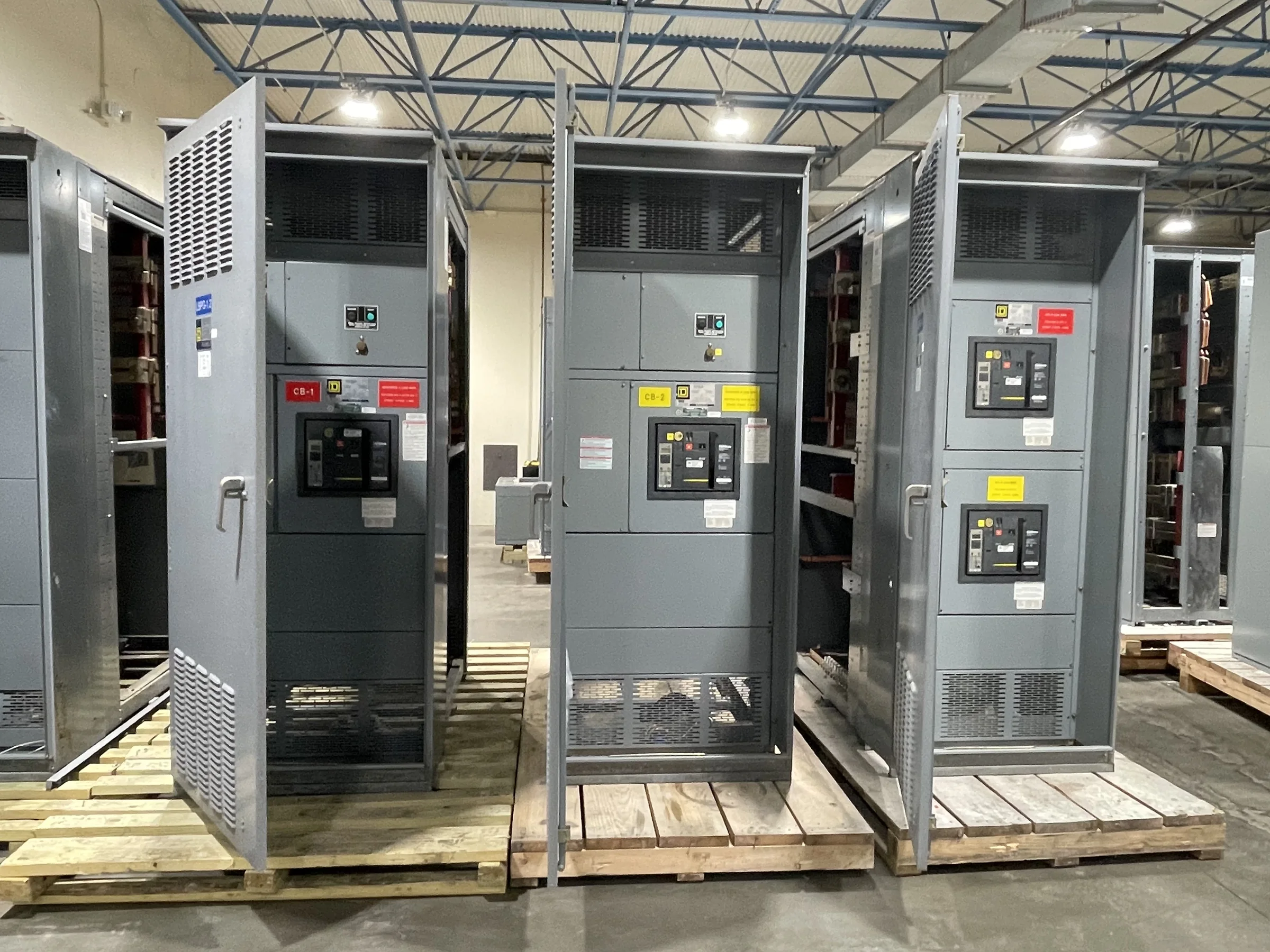
Modernization Starts With the Process Loads
Petrochemical facilities often need to modernize distribution equipment while process units, utilities, and safety systems remain tightly interconnected. Begin by identifying which loads each lineup serves, how operating modes change during startup or shutdown, and which equipment must remain available during an outage. Include motors, heaters, control power, instrument supplies, fire protection, and any separately fed emergency or standby loads in the review. This matters because a replacement lineup that matches a nameplate rating but misses the actual load relationships can disrupt unit operation or compromise planned isolation boundaries. Gather current one-lines, load schedules, motor data, protective-device settings, and operating assumptions before defining the new equipment. Confirm discrepancies in the field with facility engineering and the responsible electrical professionals.
Specify for the Electrical Environment
A sound specification accounts for the available fault current, system voltage, grounding arrangement, bus configuration, and the protective-device coordination study—not just the existing switchgear’s label. Petrochemical sites may also require careful evaluation of corrosive atmospheres, conductive dust, heat, humidity, vibration, or classified-area boundaries near the electrical room. Identify where the gear will be installed and whether the room itself provides the required environmental protection; an equipment enclosure does not establish that a surrounding location is suitable for a particular installation. Record required metering, relaying, control power, communications, and interlocking functions, then resolve interface expectations with the plant’s systems team. Final ratings, construction details, applicable standards, and any UL 891 evaluation for low-voltage switchboard assemblies depend on the project and equipment scope.


Plan Replacement Around Outage Windows
In a continuous-process facility, the available outage window can determine the practical modernization approach. Compare a full lineup replacement with a phased plan, accounting for which feeders can be isolated, whether temporary arrangements are engineered and approved, and how long commissioning and functional checks may take. Do not treat temporary power or parallel operation as a default; each arrangement requires project-specific engineering, hazard review, and authorization. Build the schedule backward from the process outage, including design review, submittal approval, manufacturing, shipping, receiving, installation, testing, and return-to-service planning. Ask the manufacturer early about current production timing and required approval milestones rather than relying on an assumed delivery interval. A realistic schedule exposes long-lead decisions while there is still time to coordinate operations, contractors, and procurement.
Verify Physical Fit and Site Interfaces
Existing electrical rooms can impose constraints that are not visible on a one-line diagram. Measure access routes, door and ceiling clearances, floor elevations, housekeeping pads, working space, overhead obstructions, and the path available for moving equipment into position. Check whether the planned lineup can be assembled and handled within site limits, and confirm bus, cable, conduit, grounding, and control-wiring entry points against actual conditions. These details matter because a physically incompatible replacement can require costly field changes or interfere with access and maintainability. Review environmental controls, room ventilation, and nearby piping or process equipment for potential impacts. Share verified drawings, photographs, and field dimensions with the manufacturer and installation team; confirm final footprints, shipping sections, and connection arrangements through approved project documents before release.
Coordinate Procurement and Delivery Requirements
A useful purchase package gives bidders a consistent technical and commercial basis for pricing. Provide the approved equipment specification, one-lines, schedules, connection requirements, preferred components where applicable, required submittal content, and the project’s review process. Clearly distinguish mandatory requirements from preferences, and identify unresolved studies or interfaces that could affect final design. As a U.S. manufacturer offering custom builds and American components, the supplier can discuss configuration against the project brief; component selection and availability remain subject to confirmation for the specific order. Nationwide shipping does not eliminate site logistics: establish receiving hours, unloading responsibility, storage conditions, delivery sequence, and any restrictions on truck access. Align the shipping plan with outage milestones and installation readiness so equipment does not arrive before the facility can receive and protect it.
Close the Engineering and Turnover Gaps
Modernization is not complete when the new lineup is placed in the room. Define required submittals and closeout records early, including approved drawings, wiring and terminal information, equipment manuals, settings documentation, test records, and identification of field changes. Confirm who will review protection settings, verify interfaces, perform required inspections and tests, and authorize energization under the facility’s procedures. Keep responsibility clear among owner engineering, the manufacturer, the electrical contractor, and any commissioning provider; assumptions between parties can leave control, communications, or protection functions unverified. For a replacement or retrofit project, document which existing circuits and interfaces are retained, modified, or removed. Discuss specifications, timing, and delivery directly with the manufacturer, then use the approved project documents and site-specific safety process to guide installation and return to service.