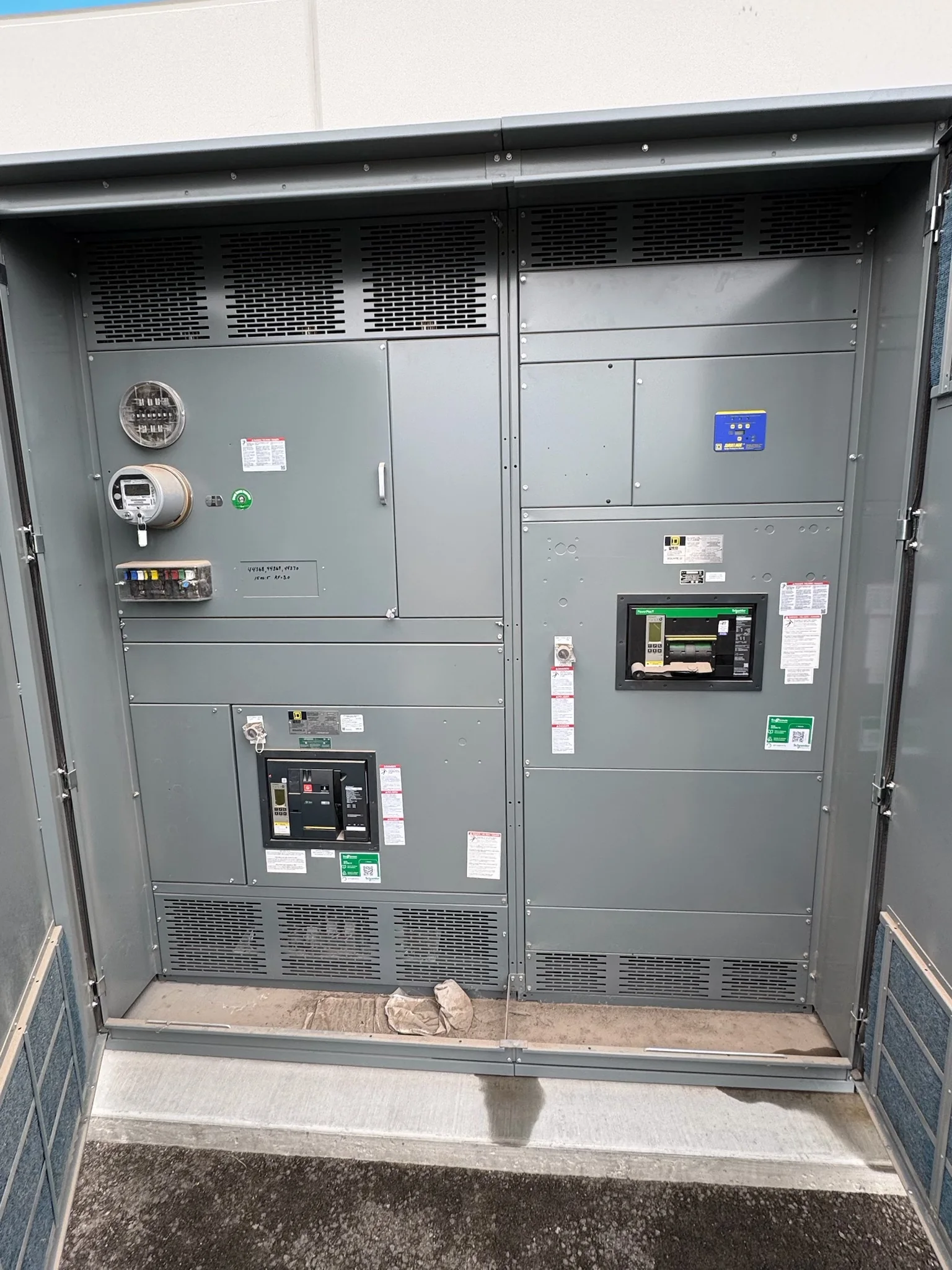
Plan Modernization Around Port Operations
At a port or marine terminal, switchgear modernization has to fit around cargo handling, vessel schedules, security controls, and limited opportunities to interrupt power. Start by identifying which loads serve cranes, container yards, reefer connections, warehouses, pumping systems, lighting, and terminal buildings, then map their dependencies to the existing distribution lineup. That assessment helps the project team define what must remain in service, what can be transferred, and where temporary arrangements may be needed. Document operating windows, restricted-access areas, and coordination points with terminal operations before finalizing the equipment scope. A new assembly can be built around project requirements, but replacement sequence and outage planning remain site-specific. Early coordination reduces the chance that an equipment decision conflicts with a critical operating constraint.
Translate Marine Loads Into Equipment Requirements
Marine terminals often combine large motor loads, variable operating patterns, shore-side services, and sensitive controls on the same site. Engineers should provide the manufacturer with available one-line diagrams, load information, system voltage, fault-current data, grounding details, and the intended distribution arrangement. Identify motor-starting methods, drive applications, power-quality concerns, and any requirements for selective coordination or arc-flash studies; these decisions can affect protective-device selection and assembly configuration. Shore power and reefer distribution deserve particular attention because connection arrangements and operating demand vary by terminal. Do not assume an existing lineup’s nameplate rating captures present or future duty. The design team should verify system conditions and applicable project standards before equipment is specified. Final ratings, compatibility, and evaluation requirements depend on the actual installation.


Specify Protection, Controls, and Interfaces Clearly
A modernization project can lose time when equipment requirements describe the desired result but omit the interfaces needed to achieve it. Provide control schematics, interlocking intent, metering needs, communications protocols, breaker preferences, and any required connections to plant or terminal monitoring systems. Confirm which signals and control power are available, who owns interface design, and whether existing relays or supervisory systems must be retained. For outdoor or exposed locations, define environmental conditions and enclosure requirements from the site’s actual exposure, including salt-laden air, moisture, temperature, and contaminants. These conditions can influence material and finish choices, but no enclosure or corrosion treatment should be presumed suitable without review. Clear interface documentation lets the manufacturer develop a build that can be checked against the project’s engineering and operating requirements.
Resolve Existing-Equipment Compatibility Before Release
Replacing switchgear in an established terminal is not necessarily a like-for-like exchange. Existing bus arrangement, cable entry, conduit locations, room clearances, grounding, control wiring, and upstream and downstream connections all affect whether new equipment can fit and integrate. Share field measurements, equipment photographs, cable schedules, and available drawings, and flag discrepancies rather than treating old records as verified conditions. Engineers should evaluate whether the replacement is a new lineup, a broader distribution redesign, or another project-defined arrangement; compatibility cannot be assumed from the former manufacturer or nominal rating alone. Review access for removing existing equipment and bringing in the new assembly, including door openings, lifting routes, floor capacity, and security procedures. Resolving these constraints before design approval can prevent costly site modifications and installation delays.
Coordinate Procurement, Submittals, and Delivery
Procurement teams can help protect the schedule by aligning technical approvals with site readiness and terminal access requirements. A complete request for quotation should identify the equipment scope, project standards, required drawings, delivery destination, unloading responsibilities, and any restrictions on truck access or delivery hours. Review submittals for dimensions, connection points, component data, control interfaces, and deviations before authorizing production. A U.S. manufacturer can discuss custom-build requirements, American components, short lead times, and nationwide shipping; actual availability and timing depend on the project scope, design approvals, and current supply conditions. For marine terminals, confirm whether deliveries require advance security clearance, escorts, special packaging, or coordination with cargo movements. Treat shipping dates, handling plans, and site acceptance as connected planning items, not assumptions.
Prepare for Installation, Testing, and Turnover
Before equipment arrives, align the installation plan with the approved drawings, outage sequence, qualified personnel, and terminal safety procedures. All electrical work must be performed de-energized under the site’s established isolation, lockout/tagout, and verification practices; the specific procedure belongs to the responsible electrical and safety teams. Confirm foundations, anchorage, cable routes, grounding provisions, working clearances, and environmental conditions against the approved design. The project should also define inspection, testing, commissioning, and acceptance responsibilities, including how existing protective settings and system studies will be reviewed after changes. UL 891 may apply to appropriately evaluated low-voltage switchboard assemblies, but it is not a blanket certification for all switchgear or voltage classes. Obtain the required equipment documentation and evaluation basis for the actual project before purchase and turnover.