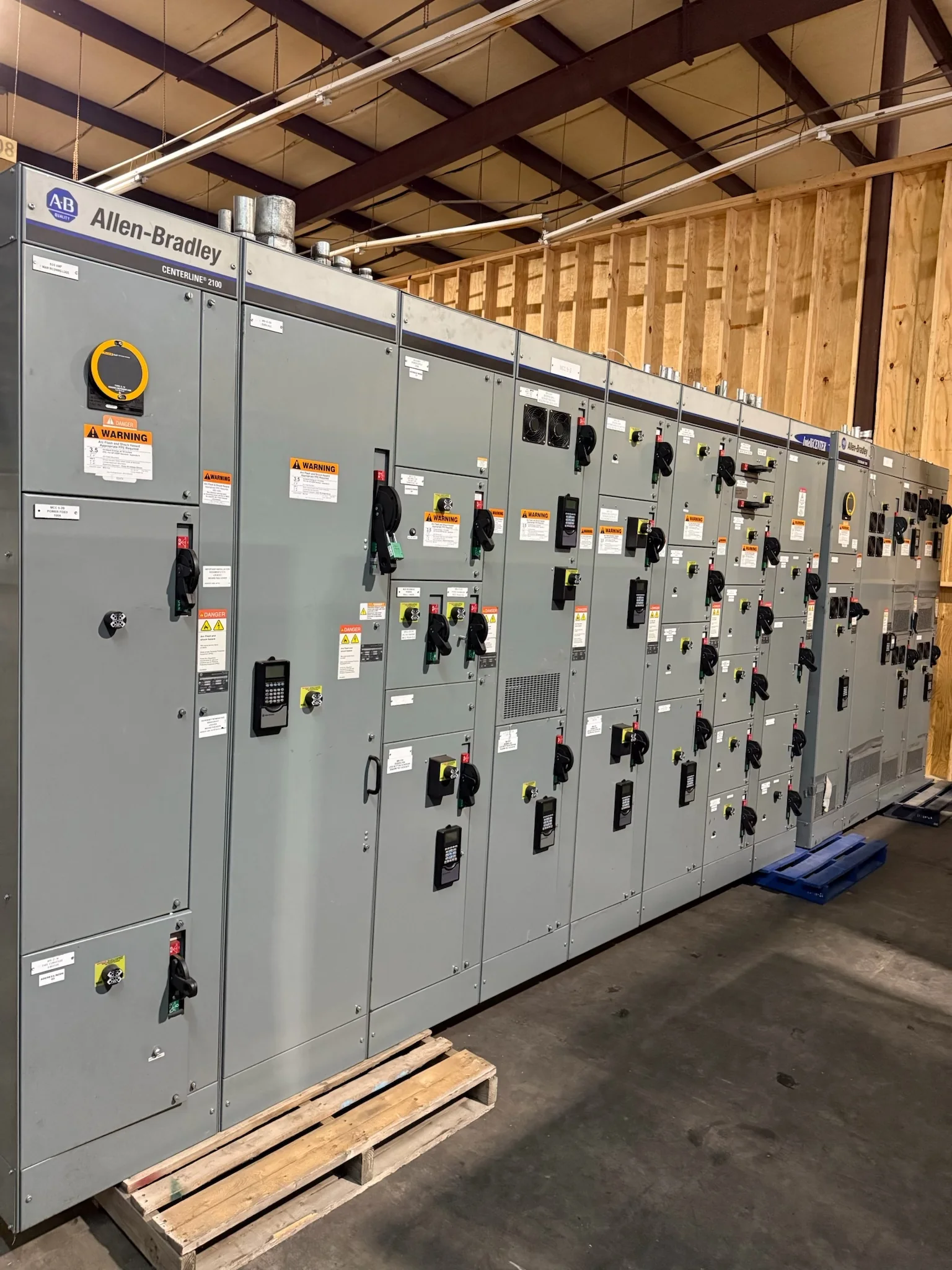
Plan Modernization Around the Treatment Process
At a wastewater facility, switchgear modernization has to account for the process loads that keep treatment moving: influent pumps, blowers, mixers, dewatering equipment, and building services may have different operating priorities. Start by documenting normal and peak operating conditions, standby equipment, and which loads must remain available during planned outages. That information helps the project team decide whether to replace an assembly in one outage or sequence work around process areas. It also prevents a replacement from being specified only by the dimensions of the existing gear. Share available one-lines, load schedules, feeder information, and operational constraints early. The manufacturer can use those project inputs to develop new equipment around the stated requirements, while final design, coordination, and field verification remain project-specific.
Resolve Existing-System Details Before Release
Older wastewater installations can have incomplete drawings, field changes, or equipment labels that no longer match the installed configuration. These gaps matter because breaker frames, bus arrangements, cable entry, control power, protective-device interfaces, and available fault-current information influence replacement design and compatibility. Assemble current drawings and nameplate data where available, then arrange qualified site verification for details that cannot be confirmed from records. Identify the existing voltage, phase, frequency, grounding approach, service conditions, and connection points as project information—not assumptions. Include required control and communication interfaces, and note any coordination or arc-flash study criteria supplied by the engineer. A clear discrepancy list gives procurement and engineering a practical basis for resolving open items before fabrication documents are approved.


Specify for Corrosive, Moisture-Prone Environments
Wastewater electrical rooms may be exposed to humidity, condensation, washdown practices, corrosive atmospheres, or airborne contaminants, but conditions vary considerably by site and room. These factors matter because enclosure construction, ventilation, materials, coatings, and equipment placement can affect service life and maintenance access. Describe the actual installation environment, including indoor or outdoor location, room ventilation, temperature range, nearby chemical processes, and any known water-ingress concerns. Avoid relying on a broad label such as “wastewater duty” to define the design. The engineer and manufacturer need project-specific environmental criteria and applicable specifications to evaluate suitable construction. Also consider how operators will inspect and maintain the gear without obstructing egress, working clearances, or adjacent process equipment. Confirm final suitability through the project review.
Coordinate Outages, Temporary Power, and Cutover
A switchgear replacement can intersect with continuous treatment requirements, permit obligations, and limited shutdown windows. The key purchasing question is not only when equipment can be supplied, but what sequence the facility can safely support. Coordinate the proposed outage plan with operations, the electrical engineer, contractors, and any parties responsible for temporary power or process continuity. Establish which loads can be interrupted, what must remain available, and what isolation boundaries the approved work plan requires. The manufacturer’s stated short-lead-time offering is not a guaranteed delivery date; confirm schedule, submittal review, release milestones, and shipping assumptions for the specific project. Include contingency time for field measurements, drawing approvals, utility coordination, and commissioning activities. All installation and cutover work must be planned and performed by qualified personnel under approved safety procedures.
Prepare a Complete, Comparable Equipment Request
A useful request for quotation gives suppliers enough consistent information to price the intended assembly rather than guess at scope. Include the one-line diagram, equipment schedules, specifications, available fault-current data, required protective-device details, metering and control needs, cable or bus connections, and physical constraints. Identify what is new equipment, what interfaces with existing gear, and what work belongs to others. If a low-voltage switchboard is specified, state the applicable UL 891 requirements and evaluation expectations; UL 891 applies to appropriately evaluated low-voltage switchboard assemblies, not automatically to medium- or high-voltage equipment. Ask suppliers to identify assumptions, exclusions, submittal requirements, and any unresolved technical questions. Comparing responses against the same documents helps procurement distinguish true scope differences from a lower price based on missing requirements.
Plan Delivery, Receiving, and Closeout Documentation
Nationwide shipping can support projects across the United States, but delivery planning still depends on the facility’s access, receiving capacity, and installation sequence. Confirm truck access, unloading responsibility, dock or laydown availability, packaging constraints, and the route from receiving to the electrical room before shipment is scheduled. Large assemblies may need staged delivery or coordinated placement, subject to the approved project plan and equipment configuration. Specify who will inspect shipments, document damage, and store equipment under the manufacturer’s handling instructions if installation is delayed. For closeout, request the approved drawings, final equipment documentation, wiring and connection information, and applicable operation and maintenance materials required by the contract. Verify that delivered equipment matches approved submittals before installation; discrepancies are easier to address before a scheduled outage than during cutover.