Define What Modernization Must Accomplish
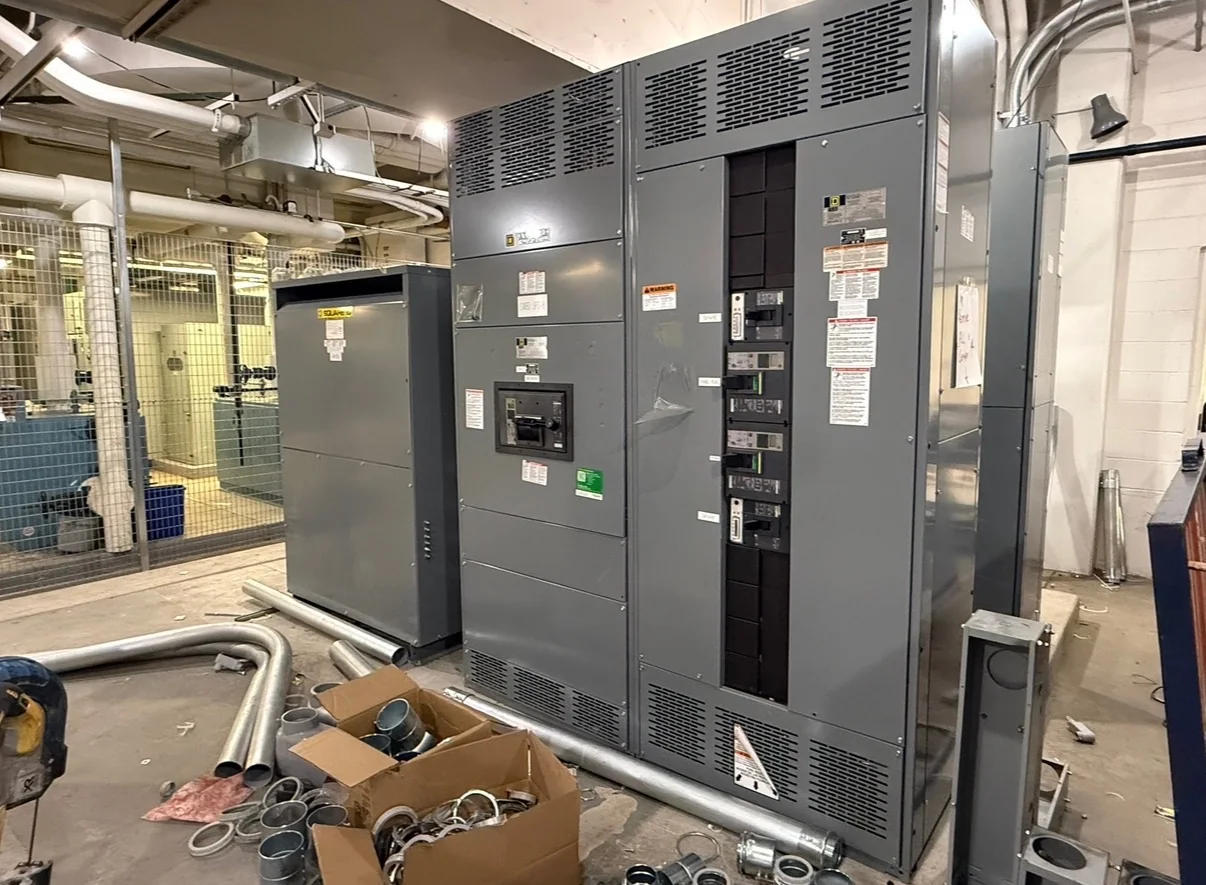
In Freeport, a modernization project may need to address aging distribution equipment while keeping a process facility’s operating requirements in view. Start by documenting what the existing gear does: incoming source arrangement, bus configuration, protective devices, control power, metering, and connections to downstream loads. Then identify the actual objective—replacement of an obsolete assembly, added capacity, improved maintainability, or a planned change to the electrical system. These goals can point to different equipment and installation scopes. Share available one-line diagrams, equipment schedules, nameplate data, and photographs with the manufacturer, noting where records are incomplete. Clear inputs help the engineering review identify questions early; they do not establish compatibility by themselves. Final design, ratings, and applicable standards depend on verified site conditions and project requirements.
Build the Specification Around Verified Conditions
A replacement must fit the electrical system, not merely resemble the old lineup. Confirm system voltage, frequency, available fault current, grounding method, protective-device requirements, bus ratings, and the intended service arrangement with the responsible engineer. For a low-voltage switchboard, determine whether UL 891 is applicable and specify the evaluation and labeling requirements for the proposed assembly; it is not a blanket qualification for medium- or high-voltage equipment. Record the existing enclosure dimensions, cable entry direction, termination space, and access clearances, but treat these as field-verified constraints rather than assumptions. If the project changes load or source configuration, require engineering review of the impact. Complete specifications reduce ambiguity during quotation and help prevent a mechanically plausible replacement from missing electrical or installation needs.


Coordinate New Equipment With the Existing Installation
Modernization planning should establish how the new assembly will connect to existing conductors, controls, and protective systems. Compare feeder and bus interfaces, conductor materials and sizes, lug requirements, cable routing, neutral and ground arrangements, instrument-transformer needs, and control wiring against verified drawings and field measurements. Existing equipment may have undocumented modifications, so photographs and redlined diagrams should distinguish observed conditions from assumptions. Identify whether transition sections, adapters, or changes to adjacent gear are part of the requested scope; their suitability must be reviewed for the specific design. This matters because a lineup can meet its standalone specification yet still require substantial field coordination at the connection points. Resolve interface questions with the project engineer and manufacturer before approving drawings, and preserve final as-built information for future maintenance.
Set a Realistic Schedule From Submittals to Installation
Short lead times may be available, but timing depends on the approved design, component selection, engineering review, and current project conditions; no delivery date should be treated as guaranteed before confirmation. For a Freeport-area facility, connect equipment milestones to the site’s shutdown window, construction sequence, and readiness to receive and install the lineup. Establish dates for quotation, submittal review, approval, release to production, shipping, and field installation, while identifying who owns each decision. Late changes to breaker functions, metering, cable entry, or enclosure details can affect drawings and procurement. Ask the manufacturer to identify schedule assumptions and outstanding information in the proposal. A realistic plan gives procurement and operations teams time to coordinate outage approval, qualified labor, receiving arrangements, and any required inspection or testing.
Plan Delivery Around Freeport Site Conditions
Freeport’s coastal industrial setting makes delivery coordination a practical project issue, not a detail to leave until shipment. Confirm the delivery address and receiving contact, truck access, gate procedures, unloading equipment, staging area, and protection from weather or site exposure with the facility team. Verify whether the route to the electrical room includes restricted turns, overhead limits, stairs, or floor-loading constraints, and provide relevant dimensions to the equipment supplier before finalizing the lineup. Packaging and handling requirements should be reviewed for the specific assembly and shipping plan; do not assume that a unit can be moved intact through the entire route. Nationwide shipping is an available offering, but carrier arrangements, transit timing, unloading responsibility, and site readiness must be agreed for the project.
Complete the Purchase Package Before Release
A complete purchase package helps align the equipment being built with the installation and acceptance requirements. Include the approved specification, one-line diagram, equipment layout, connection details, protective-device and metering requirements, control schematics, and the project’s requested submittal documents. Identify any required factory documentation, inspection points, test records, labeling, or coordination information without assuming these are included unless confirmed in the proposal. Review manufacturer drawings against field dimensions and the engineer’s design before authorizing production; document deviations and obtain appropriate approval. At installation, de-energized work, qualified personnel, and the facility’s established safety procedures remain essential. Closeout should capture approved drawings, final settings information where applicable, and recorded changes. Specific ratings, standards, compatibility, documentation, and availability are confirmed for each project rather than presumed from a general product description.