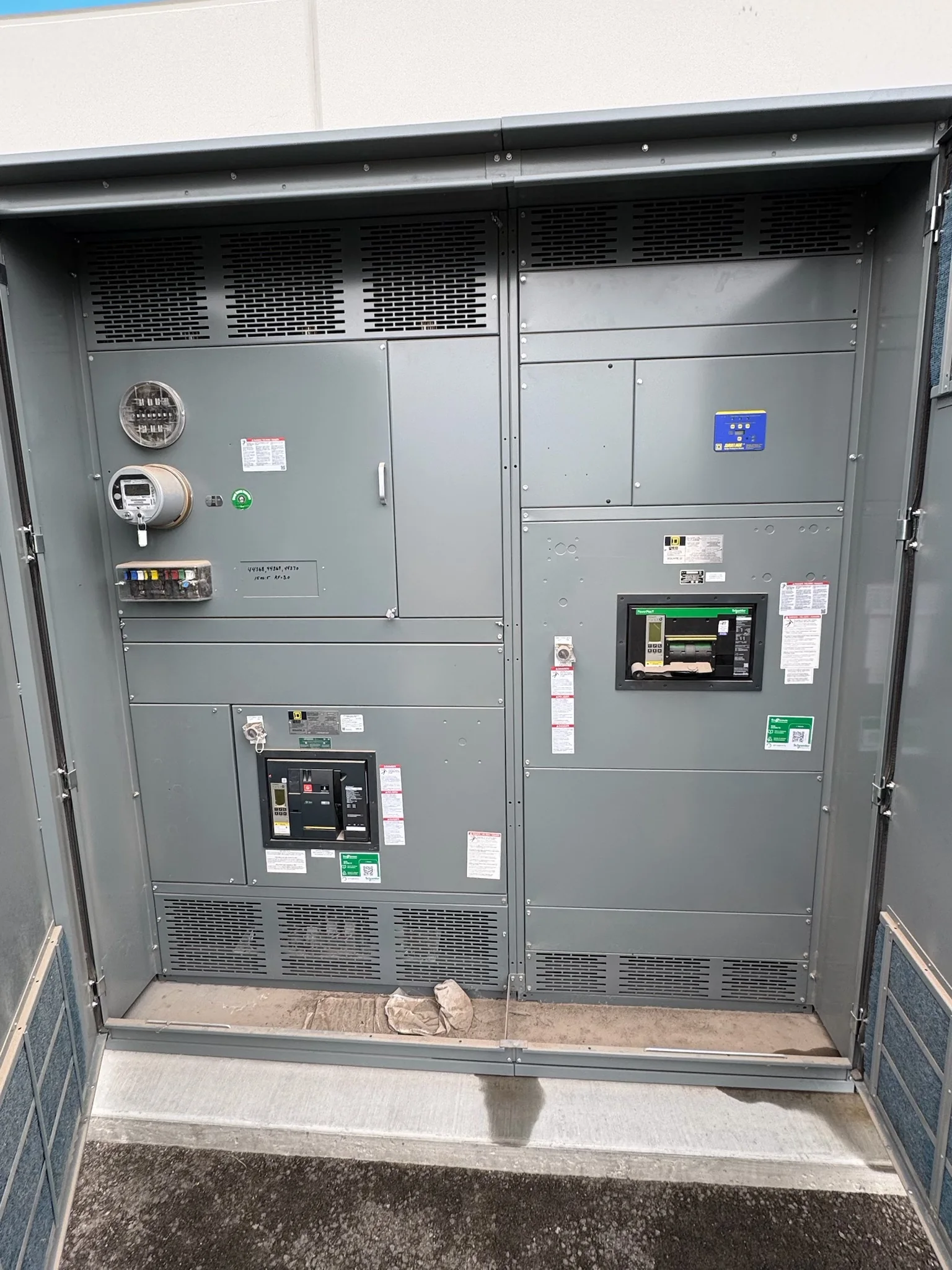
Define the Modernization Scope Before Selecting Equipment
Switchgear modernization in Spring, Texas, can mean replacing an aging lineup, adding capacity for new loads, or planning a changeover that limits disruption to an operating facility. Those goals call for different equipment and outage plans, so begin with a documented assessment rather than a product assumption. Identify the existing gear’s manufacturer, model, ratings, arrangement, and condition where records and safe inspections permit. Then describe what the new system must serve, including present loads, anticipated expansion, and critical circuits. For replacement work, clarify whether the project requires a complete lineup or a new assembly designed around the available space and interfaces. This scope helps the manufacturer evaluate a buildable solution and gives procurement, engineering, and facility teams a consistent basis for comparing proposals.
Reconcile Electrical Requirements With Existing Conditions
A new assembly must match the electrical system and the site—not simply the nameplate of the equipment being replaced. Provide available voltage, frequency, ampacity, short-circuit information, grounding arrangement, and the intended service or distribution function when known. Include one-line diagrams, load data, protective-device requirements, and coordination or arc-flash study criteria if they govern the project. Existing documentation may be incomplete or may no longer represent later modifications; identify uncertainties instead of treating old drawings as verified facts. Confirm the required equipment type and applicable standards with the project engineer, since ratings, construction, and evaluation depend on the application. These details affect whether a proposed configuration is compatible, what engineering review is needed, and which open items must be resolved before a purchase order is released.


Measure the Room, Route, and Connection Points
Physical constraints can invalidate an otherwise sound electrical specification. Record the available lineup footprint, working clearances, ceiling and door dimensions, floor conditions, cable entry direction, and the route from receiving point to final location. Note stairs, elevators, tight turns, overhead obstructions, and any restrictions on staging or equipment movement. In Spring, delivery planning may also need to account for the facility’s access rules, active loading areas, and coordination with other work on a busy site; do not assume a truck can reach the switchgear room. Compare field measurements with current room drawings, and flag dimensions that have not been verified. This information helps establish whether the equipment arrangement and delivery plan are practical, and whether site modifications or a different configuration need consideration before fabrication.
Make the Outage and Changeover Plan Part of Procurement
A replacement lineup is only useful if the facility can safely install and connect it within an acceptable operating plan. Identify which loads cannot be interrupted, what temporary arrangements may be considered by the project team, and who has authority to approve an outage. The work plan should address required shutdowns, isolation, verification of an electrically safe work condition, removal and installation sequence, testing, and return-to-service review. Energized work should not be treated as a shortcut or presumed necessary; qualified personnel must develop and approve the safety approach under applicable rules. Coordinate the proposed sequence with operations, contractors, and the manufacturer early, especially if equipment dimensions or connection locations affect the shutdown window. Clear planning reduces the risk of discovering late that the new gear cannot be installed as scheduled.
Evaluate Build Timing Against Submittals and Site Readiness
A quoted production schedule is project-specific, so request current timing information for the actual configuration and confirm what events start the schedule. Engineering approvals, complete technical data, component selection, and resolution of exceptions can all affect when a build is released. Ask procurement to distinguish estimated manufacturing duration from freight, receiving, installation, and commissioning time; these are separate parts of the project calendar, not a guaranteed in-service date. Review submittals promptly and document deviations from the specification rather than relying on informal assumptions. At the same time, confirm that foundations, cable pathways, access, permits, and the outage plan are progressing toward readiness. This alignment matters because early equipment arrival can create storage and handling problems, while delayed approvals can compress installation planning and increase pressure on facility operations.
Coordinate Delivery and Closeout for Spring Facilities
Nationwide shipping can support projects in Spring, but the receiving plan still needs to fit the site and the selected equipment. Confirm the delivery address and receiving contact through the project team, then establish access hours, unloading responsibility, staging location, and inspection procedures before shipment is arranged. Check whether the facility has restrictions on truck size, dock use, lift equipment, or advance notice, and protect equipment from unsuitable storage conditions after receipt. For closeout, gather approved drawings, final equipment schedules, operating and maintenance information, and records of field changes and testing required by the contract. Verify that labels and documentation match the installed configuration. A complete handoff gives maintenance personnel a usable reference and helps future teams understand what was supplied, how it was integrated, and which project records govern the system.