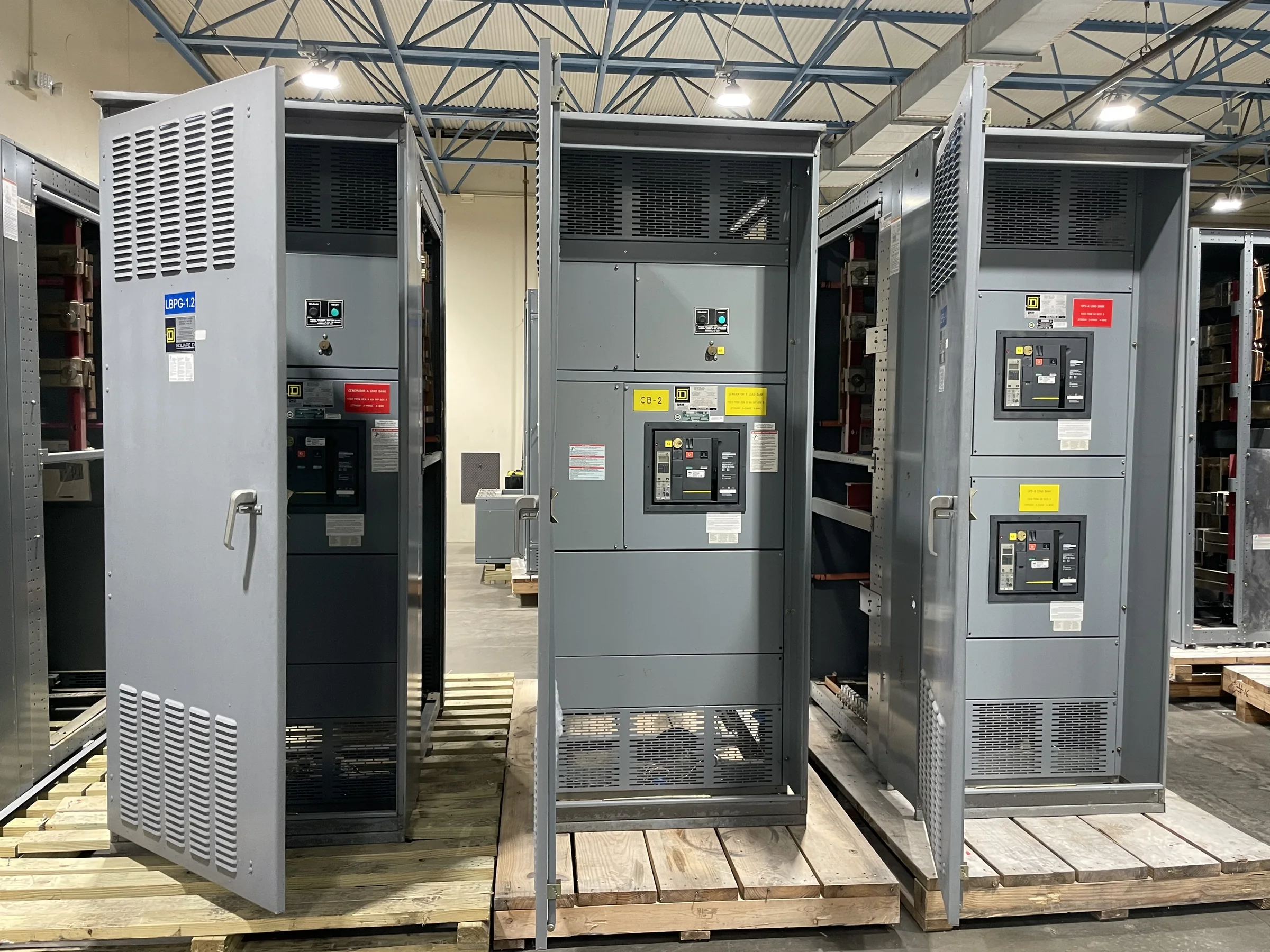
Identify Obsolescence Before It Becomes a Shutdown
Switchgear obsolescence is not simply a product reaching the end of a catalog listing. The operational concern is whether the installed assembly can still be maintained, expanded, and returned to service within the facility’s acceptable outage window. Start with a field inventory of switchboard or switchgear lineups, protective devices, controls, bus arrangement, nameplates, and available spare parts. Record the equipment manufacturer and model where legible, but verify details against drawings and maintenance records; labels may be incomplete or equipment may have been modified. Note recurring failures, unavailable replacement components, and changes in the loads served. This evidence helps distinguish an urgent reliability exposure from a long-range capital-planning issue and gives procurement a defensible basis for evaluating repair, replacement, or a staged modernization project.
Build a Verified Equipment and Load Record
A replacement begins with the actual electrical system, not an assumed one-for-one match. Collect current one-lines, panel schedules, equipment elevations, control schematics, short-circuit and coordination studies, and records of previous changes. Then have qualified personnel verify field conditions, including incoming source, system voltage, bus and feeder configuration, grounding arrangement, available fault-current information, and connected loads. Resolve discrepancies between drawings and installed equipment before issuing a request for quotation. Capture enclosure dimensions, cable entry and exit directions, access clearances, and any interface points to generators, transformers, or downstream distribution. These details affect whether new equipment can fit and connect without unplanned construction. Final ratings, protective-device selections, and compatibility must be established by project engineering for the specific application.


Choose a Replacement Scope That Fits the Risk
Obsolescence planning does not automatically require replacing every lineup at once. Compare continued maintenance, targeted component replacement, retrofit options, and complete equipment replacement against documented failure exposure, operating consequences, and the condition of adjacent gear. A component-level solution may leave aging bus, enclosure, or control interfaces in service; a full replacement may demand more space, construction, and outage coordination. Ask the engineering team to define the boundary of work and identify dependencies, including upstream protection, downstream feeders, metering, communications, and future capacity needs. For new switchgear, specify the intended application, system conditions, required functions, and interfaces rather than relying only on an old catalog designation. The selected scope should reduce lifecycle risk while remaining practical for the facility’s operating and capital constraints.
Set Specifications and Purchasing Requirements Early
A complete purchasing package reduces ambiguity between design intent and the equipment being quoted. Include the verified one-line, equipment schedule, required ratings and functions, enclosure and installation conditions, cable termination requirements, control and communications points, and applicable project standards. Identify required drawings, submittals, inspection expectations, operating and maintenance documents, and any factory evaluation or testing requirements. State which existing devices or external systems must interface with the new assembly, while leaving final applicability and engineering confirmation to the project team. For a low-voltage switchboard, UL 891 may be relevant when the assembly is appropriately evaluated for that standard; it should not be treated as a blanket certification for medium- or high-voltage equipment. Confirm standards, labeling, scope, and documentation in the quotation and approved submittals.
Coordinate Schedule, Outage, and Site Readiness
Equipment timing is only one part of a workable replacement schedule. Establish when drawings must be reviewed, when field dimensions and connection details will be confirmed, and how approval milestones relate to manufacturing and site construction. Discuss the required outage window, temporary power needs, demolition sequence, installation access, and acceptance activities before the delivery date is set. Check door and corridor clearances, floor loading, lifting routes, staging space, weather exposure, and restrictions on delivery vehicles. In operating plants, coordinate shutdowns with production, utilities, safety personnel, and contractors; a missed access window can delay installation even when equipment is ready. A U.S. manufacturer can discuss project-specific build timing and nationwide shipping, but availability and delivery dates depend on the approved scope and current project conditions, not a guaranteed lead time.
Plan Commissioning, Records, and Future Maintainability
Close the obsolescence project by making the new equipment maintainable and its documentation usable. Before acceptance, confirm that approved submittals, final drawings, device settings, equipment labels, and operating instructions reflect the installed configuration. Coordinate required inspections and commissioning activities with qualified personnel, following project procedures and applicable safety requirements; electrical work and testing must be planned around proper de-energization and control of hazardous energy. Train operations staff on equipment functions, normal indications, alarm interfaces, and escalation procedures without substituting training for formal operating rules. Archive the final one-line, settings records, parts information, and maintenance recommendations where future planners can retrieve them. A documented baseline helps staff identify changes, source appropriate components, and recognize the next obsolescence concern before it becomes an emergency replacement.