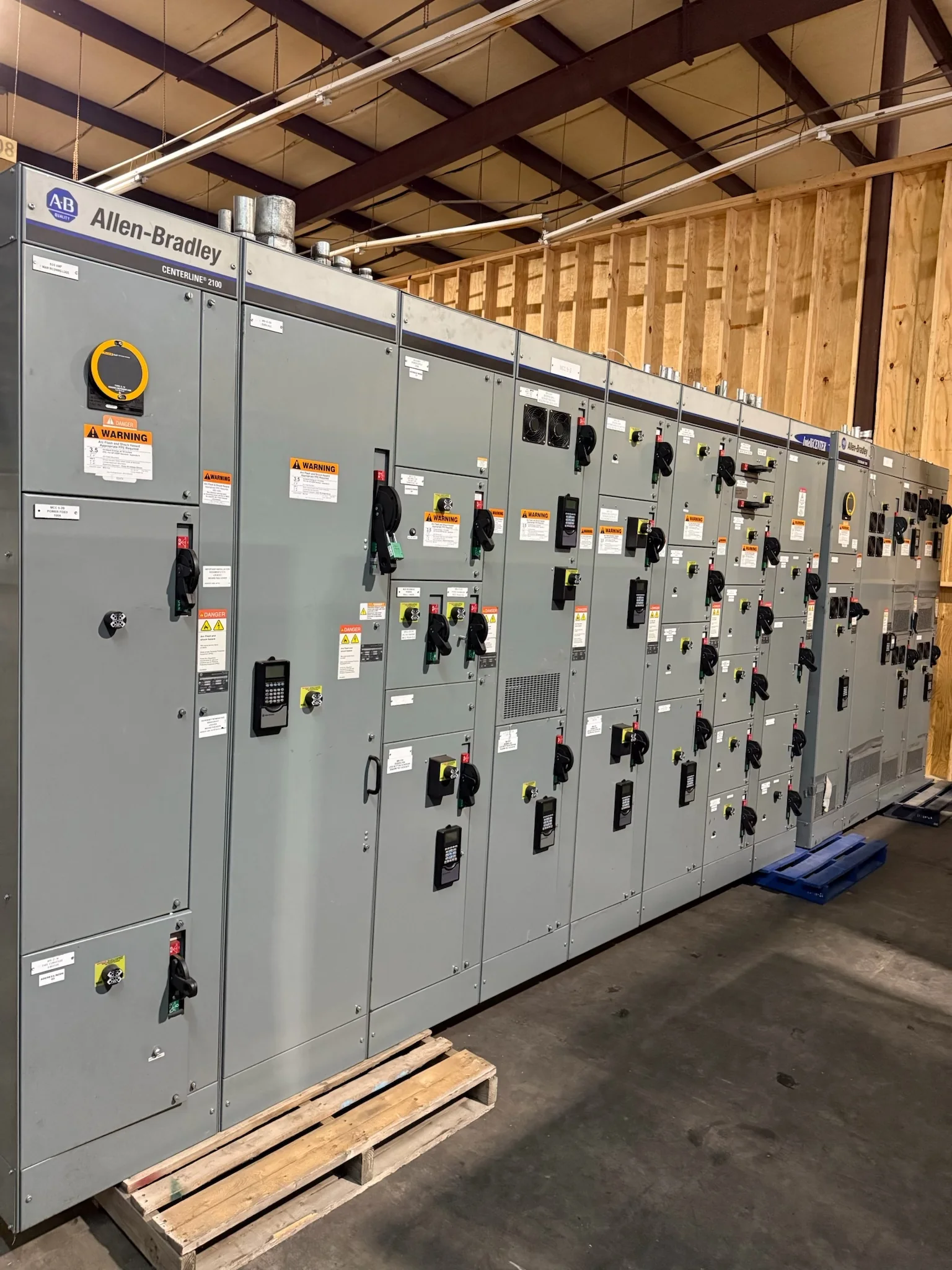
Define What “Ready for Pre-Commissioning” Means
A pre-commissioning checklist is a controlled handoff between equipment installation and the authorized commissioning work—not permission to energize. Agree on the scope, responsible parties, acceptance records, and hold points before the switchgear arrives. The project specification, approved submittals, purchase order, and commissioning plan should identify the equipment included, required inspections, and applicable standards. Confirm whether the scope covers switchboard sections, circuit breakers, protective devices, control wiring, metering, communications, or connected gear, since boundaries can otherwise leave critical checks unassigned. Establish who resolves discrepancies and who approves release to the next phase. Clear ownership matters because a missed interface or undocumented exception can delay startup, complicate troubleshooting, or leave the facility team without a reliable baseline.
Reconcile the Approved Design With the Order
Before mobilizing, compare the approved equipment drawings and final purchase documents with the installed lineup. Check section arrangement, equipment identification, bus and connection details, breaker types, accessories, metering, control power, and specified options against the project requirements. Confirm that one-line diagrams, elevations, elementary diagrams, and connection drawings represent the same revision; a correct assembly can still be difficult to commission if field labels or wiring references follow superseded documents. Record approved deviations rather than relying on verbal assumptions. For replacement or retrofit work, verify interfaces with existing gear, including available space, cable entry, bus connections, control circuits, and protection coordination. These checks help expose mismatches while corrections can still be planned, instead of during a constrained outage or startup window.


Check Site Readiness, Access, and Environmental Conditions
Inspect the equipment area against the manufacturer’s installation information and project requirements before scheduling pre-commissioning. Confirm the room or enclosure is complete, clean, dry, adequately lit, and protected from construction dust, moisture, and debris. Verify foundations, anchorage provisions, working clearances, access routes, cable trench or conduit readiness, and any lifting or rigging constraints with the responsible site team. Temperature, humidity, corrosive atmospheres, altitude, and indoor or outdoor exposure can affect equipment selection and installation requirements, so resolve any difference between actual conditions and the approved design. Check that temporary construction activities will not obstruct safe access or introduce contamination. Site readiness matters because moving or cleaning equipment after installation can add risk, cost, and schedule pressure.
Coordinate Delivery, Storage, and Installation Sequence
Tie the delivery plan to the approved equipment configuration and the site’s actual receiving capacity. Confirm shipment dimensions and handling requirements from project documents, then coordinate unloading equipment, doorway and corridor clearances, staging space, weather protection, and the route to the final location. Agree on who inspects the shipment at receipt, documents visible damage or missing items, and protects equipment during storage. Keep doors, covers, and protective materials managed according to manufacturer instructions; avoid exposing assemblies to moisture, dust, impact, or unauthorized access. For a multi-section lineup, plan the unloading and setting sequence so sections can be placed without blocking access or damaging adjacent construction. Nationwide shipping does not remove the need for site-specific coordination, and missed receiving details can disrupt installation and commissioning.
Verify Installation Records and Pre-Energization Boundaries
Gather installation and inspection records before functional checks begin. Depending on the approved plan and equipment instructions, documentation may include anchorage and alignment records, connection inspections, grounding and bonding checks, wiring verification, torque records where specified, and results from required testing by qualified personnel. Identify any open punch-list item that could affect safety, performance, or the commissioning sequence, and document its owner and disposition. Review isolation boundaries, lockout/tagout arrangements, and the site’s authorization process; inspection or testing does not make energized work optional, and no equipment should be energized outside the approved procedure. Keep test instruments, methods, acceptance criteria, and records consistent with the project requirements and applicable instructions. Traceable records make it easier to assess readiness and investigate issues later.
Confirm Protection, Controls, and Handover Information
Before commissioning release, verify that the project team has the current protection and control information needed for the specific application. Reconcile approved relay or trip settings, coordination documentation, control schematics, interlocks, alarms, metering, and communications requirements with the installed equipment; do not assume factory configuration or a drawing alone confirms field readiness. Identify who will review settings and functional results, how exceptions will be recorded, and what approvals are required before turnover. Compile the final drawing revisions, equipment and device identification, inspection and test records, open-item list, and operating or maintenance information for the facility team. Exact requirements depend on the design and applicable standards. A complete handover helps operators understand what was installed and what remains before authorized energization.