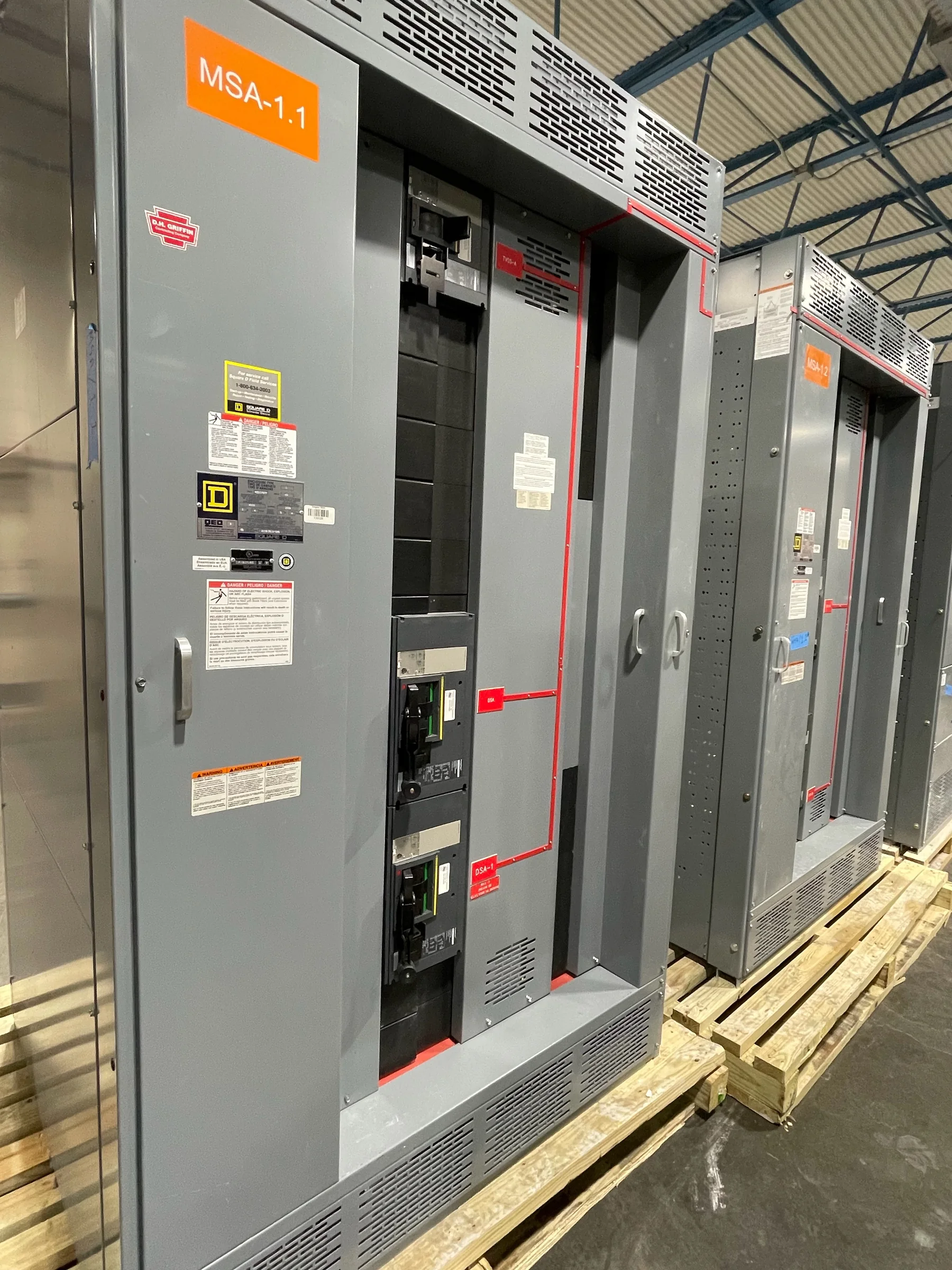
Start with the Electrical Scope, Not a Price per Section
A switchgear price begins with the job the equipment must perform. Define the system voltage, service configuration, available fault current, continuous load, source arrangement, and required distribution functions before comparing proposals. A lineup serving a single utility source differs from one coordinating generators, tie breakers, metering, and multiple load sections. Those choices affect component selection, bus design, protective-device coordination, and assembly layout. Share the one-line diagram and load information early, and identify whether the project is new construction, capacity expansion, or replacement of existing gear. Incomplete or changing inputs can force redesign, revised drawings, and additional coordination after quotation. Ask suppliers to state assumptions and exclusions so procurement teams can compare equivalent scopes rather than headline totals.
Ratings, Protection, and Coordination Shape the Equipment Cost
Electrical ratings are not interchangeable line items. The required voltage class, bus ampacity, short-circuit withstand, interrupting capability, and protective-device functions depend on the system and the equipment’s role within it. Engineers should establish these requirements from current system studies and applicable project criteria, rather than selecting a rating by appearance or copying an old schedule without verification. Breaker type, trip functions, metering, ground-fault protection, and control provisions can change both equipment selection and engineering effort. Ask for the proposed configuration and rating basis to be documented, and have qualified project professionals confirm it fits the installation. For low-voltage switchboard assemblies, UL 891 may be relevant when the assembly is appropriately evaluated; it should not be treated as a blanket certification for medium- or high-voltage equipment.


Layout, Accessibility, and Interfaces Affect Fabrication
Physical arrangement can add meaningful cost even when electrical ratings remain unchanged. Room dimensions, clearances, cable-entry direction, conductor landing space, access for maintenance, and the route from the unloading point to the final position all influence section layout. A lineup designed around bottom cable entry may not suit overhead conduits or bus duct, while crowded rooms can limit door swing and working access. Confirm wall locations, floor conditions, housekeeping pads, structural openings, and any seismic or environmental criteria in the project documents. Existing installations bring further constraints: dimensions and connection points should be field-verified before replacement equipment is released for production. Clear interface information reduces the risk of late changes, site modifications, or equipment that cannot be moved into position.
Options and Documentation Require Clear Scope Boundaries
Accessories and project-specific requirements affect more than the bill of materials. Metering, communications, control wiring, relaying, special labels, key interlocks, enclosure features, and factory documentation may call for additional components or design review. Specify what the owner, engineer, utility, and installing contractor each expect, including communication protocols, wiring diagrams, terminal details, and drawing-review milestones. For replacement or retrofit work, provide available equipment nameplates, existing drawings, protection settings, and connection details; then identify any information that still needs field verification. Ask the manufacturer to separate included items from exclusions and to identify assumptions requiring approval. This makes bid comparisons more useful and helps avoid unplanned engineering or coordination charges. Standards, ratings, compatibility, and evaluation requirements remain specific to the proposed assembly and project.
Schedule Depends on Design Readiness and Approval Cycles
Short lead times can be an important manufacturing offering, but a project schedule depends on more than the date a quote is accepted. Final ratings, approved drawings, component availability, customer review duration, and resolution of technical questions all influence when fabrication can proceed. Establish who reviews submittals, how comments are consolidated, and which changes require revised pricing or schedule confirmation. Procurement teams should also confirm the required ship date against construction sequencing, storage capacity, and installation readiness. When site conditions or upstream equipment selections are unsettled, releasing a design too early can create expensive revisions; waiting too long may compress commissioning and outage planning. Request project-specific schedule information in writing and track approval dates, open decisions, and required documentation at each milestone.
Delivery Planning Is Part of the Purchase Decision
Nationwide shipping does not remove the need to plan how equipment reaches its final location. Confirm shipment dimensions and weight when available, receiving hours, unloading equipment, dock or gate access, turning space, indoor storage, and the route through the building. Long or heavy sections may require a coordinated sequence, protected staging area, or special handling arranged by the project team. Check whether the delivery location can accept the shipment on the planned date and who will inspect it for transit damage or missing items. Align delivery with foundation readiness, electrical-room access, and the installer’s work plan; early arrival can create storage and protection costs, while late arrival can disrupt installation. Clarify freight responsibilities and delivery assumptions in the quotation before placing the order.