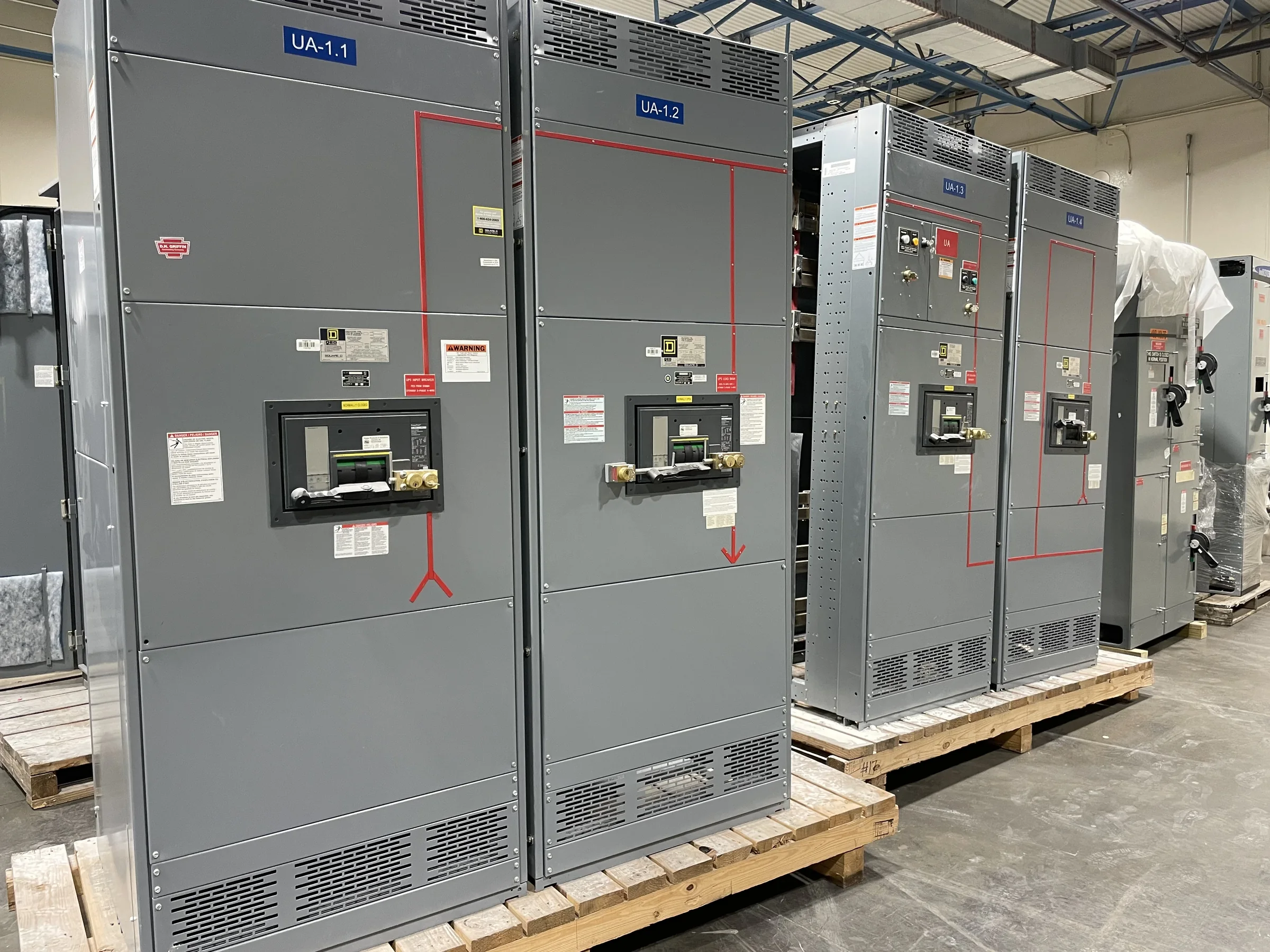
Start the Schedule With a Complete Equipment Basis
A production schedule is only as dependable as the information used to define the equipment. Begin with a one-line diagram, available fault-current data, system voltage, frequency, phase, grounding method, and the required continuous and short-circuit ratings. Identify whether the scope is a low-voltage switchboard, medium-voltage lineup, or another assembly; similar project labels do not make these products interchangeable. Include the number and function of incoming, tie, and feeder devices, along with metering, relaying, communications, and control requirements. Missing or conflicting inputs can trigger engineering questions, drawing revisions, and changes to material selection after the schedule is underway. Have the electrical engineer of record and procurement team reconcile the basis of design before requesting a production plan. Final ratings, configuration, standards, and evaluation are project-specific.
Resolve Interface Decisions Before Releasing Drawings
Connections to the existing electrical system often drive more schedule risk than the lineup itself. Confirm cable entry direction, conductor quantity and size, lug requirements, bus connections, conduit zones, neutral and ground arrangements, and the location of any transition sections. Compare equipment dimensions and access clearances with the latest room plans, not an early architectural background. If the assembly must join existing gear, provide verified manufacturer, model, arrangement, and interface dimensions; assumptions about matching bus or compartments can lead to redesign or field modification. Establish who will approve equipment drawings and how quickly comments are expected back. A coordinated review can settle constructability issues before fabrication planning advances. Do not treat drawing approval as proof of compatibility or listing; those determinations depend on the actual design and scope.


Map Procurement Milestones to the Production Path
Build a milestone plan that separates specification development, quotation, engineering review, drawing approval, material planning, production, inspection, shipment, and site receipt. A U.S. manufacturer offering custom builds and American components can discuss project timing, but the actual sequence and availability depend on the approved design and required components. Ask which decisions must be closed before production can be scheduled and which submittal revisions could affect that date. Track long-lead or project-critical items as named risks, rather than assuming every component has the same sourcing path. Procurement should also align purchase-order terms, approved vendor documents, insurance requirements, and payment milestones with the construction schedule. Record dates as planning targets until confirmed for the specific order; avoid basing energization commitments on an unverified production estimate.
Coordinate Site Readiness With the Planned Shipment
Equipment arriving before the electrical room is ready creates storage, handling, and exposure concerns; arriving after the installation window can disrupt the broader project. Work backward from the desired setting date and verify that the building enclosure, access route, receiving crew, unloading method, and indoor staging area will be available. Check doorway and corridor dimensions, floor loading, turning space, crane or forklift access, and any restrictions on delivery hours. Confirm the shipment configuration and handling points with the manufacturer before finalizing rigging plans; shipping splits and lifting provisions vary by design. Protect equipment from moisture, dust, impact, and unauthorized access while stored, following applicable manufacturer instructions. Nationwide shipping supports delivery planning, but the project team must still coordinate carrier access, site contacts, unloading responsibility, and inspection for transit damage.
Control Changes Through Documented Reviews
A late change to feeder count, protective-device functions, metering, communications, or enclosure arrangement may affect engineering, components, drawings, and the production sequence. Use a written change process that identifies the requested revision, its reason, the approving authority, and any schedule or commercial impact before work proceeds. Maintain one current set of approved drawings and clearly mark superseded versions so field teams do not build around conflicting information. Submittals should capture equipment ratings, device schedules, control schematics, terminal details, dimensions, and interface points appropriate to the scope. Coordinate control narratives and network requirements with the responsible controls and commissioning teams; a communications point list left unresolved can delay startup even when the power equipment is installed. Confirm document deliverables and review responsibilities in the purchase order.
Plan Delivery, Installation, and Turnover as One Sequence
The production schedule does not end when equipment leaves the factory. Tie shipment timing to the installation contractor’s labor plan, receiving inspection, setting sequence, cable termination readiness, and the utility or facility outage window. Verify the site has current installation instructions, approved drawings, lifting information, and coordination details before the lineup arrives. Installation and testing must be performed by qualified personnel under the project’s safety program, with equipment de-energized wherever required and protective measures established by responsible electrical professionals. Agree in advance on the records needed for turnover, such as final drawings, device information, test documentation, and operating or maintenance materials applicable to the supplied assembly. For low-voltage switchboard projects, discuss whether UL 891 evaluation is required and applicable to the proposed assembly; it does not automatically apply to medium- or high-voltage equipment.