Define the Beaumont Project Before Requesting a Quote
A useful switchgear quote starts with the electrical duty and the work boundary, not a product label alone. Identify whether the project calls for a new service entrance, a facility expansion, a replacement lineup, or equipment supporting a particular process. Include the system voltage, phase and frequency, available fault-current information, grounding arrangement, and intended service configuration when known. Note the connected loads, major motors, generators, transformers, and any planned future capacity, since these affect coordination and equipment selection. For Beaumont-area facilities, clarify whether the equipment serves a process building, utility interface, warehouse, or outdoor installation; the setting can change enclosure and access requirements. If some values remain unconfirmed, mark them for engineering review rather than treating estimates as final design inputs.
Match the Assembly to the Electrical System and Application
Switchgear and switchboards are not interchangeable terms, and the appropriate assembly depends on voltage class, protection scheme, operating duties, and applicable project standards. Ask the design team to identify the required device types, bus arrangement, metering, protective relays, control power, and provisions for incoming and outgoing circuits. For low-voltage switchboard projects, UL 891 may be relevant to an appropriately evaluated assembly; it is not a blanket qualification for medium- or high-voltage equipment. Provide one-line diagrams and coordination or arc-flash study information if available, and state which documents are preliminary. These inputs help the manufacturer review fit and scope without implying that a proposed configuration is approved. Final ratings, compatibility, standards, and evaluation requirements must be confirmed for the specific application.


Plan Replacement and Retrofit Work Around Existing Equipment
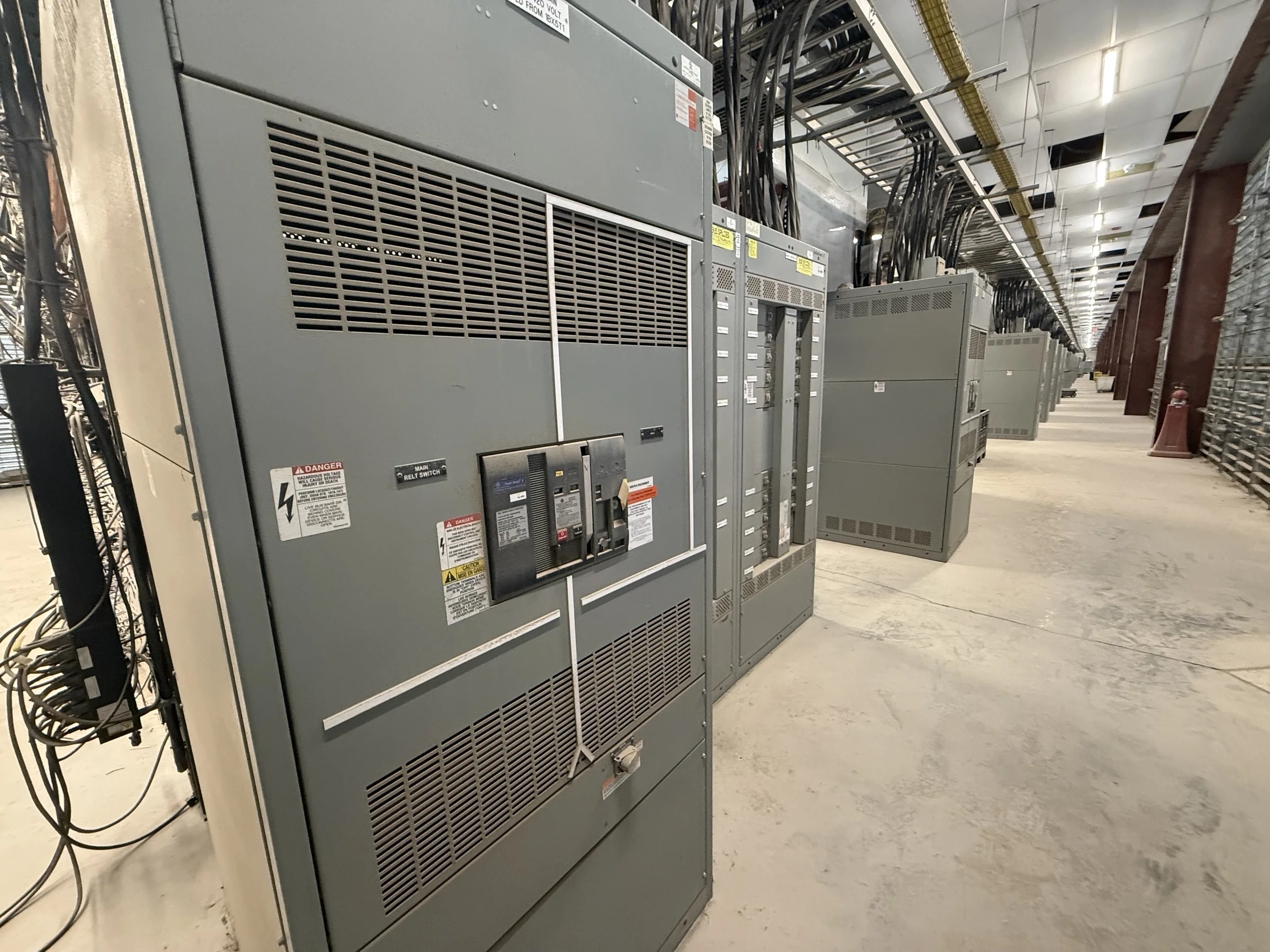
When new equipment must connect to an existing lineup, field measurements and verified records can prevent expensive fit and interface problems. Share manufacturer and model information, nameplate data, photographs, available drawings, bus and cable entry details, room dimensions, and the location of existing conduits. Identify which sections are staying, which are being replaced, and whether the project requires a complete new lineup or a defined retrofit scope. Existing conditions may differ from old drawings, so flag undocumented modifications and request a site verification plan where needed. Compatibility depends on the actual equipment and electrical design; do not assume a new section will mate with an older assembly based on appearance alone. Any installation, inspection, and connection work must follow the project’s approved safety procedures.
Resolve Beaumont Site Conditions and Access Early
Beaumont-area industrial and commercial sites can have different room layouts, outdoor exposure, process restrictions, and receiving procedures, so include the actual installation setting in the quote request. Specify whether equipment will be indoors or outdoors and describe known concerns such as moisture, corrosive exposure, dust, temperature, washdown, or vibration. These conditions inform enclosure and accessory discussions, but the required environmental ratings must be determined for the project rather than assumed from the city name. Check door and aisle clearances, floor openings, overhead obstructions, turning space, and the route from the receiving point to the electrical room. Confirm site access rules, delivery hours, unloading responsibility, lift equipment, and whether a staged shipment is practical. Early coordination matters because a lineup that meets electrical needs still has to reach its intended location safely.
Request a Quote Package Procurement Can Compare
A clear request helps procurement compare scope instead of relying on a headline price that omits important components. List the required lineup sections, breakers or other devices, metering, relays, accessories, spare provisions, documentation, and any specified testing or inspection requirements. Attach the latest one-line diagram, equipment schedules, project specification, and relevant layout drawings, identifying revision dates and open questions. Ask the manufacturer to identify assumptions, exclusions, required customer-supplied information, and items needing engineering confirmation. Separate mandatory requirements from preferred options so alternatives can be reviewed without obscuring compliance needs. Pricing, availability, and configuration are project-specific; a quote should be evaluated against the approved design and scope, not treated as confirmation that every interface or site condition has been resolved.
Coordinate Build Timing, Documentation, and Delivery
Discuss schedule expectations while the scope is being developed, and ask which design decisions or approvals must be completed before production planning can proceed. The manufacturer offers custom builds, American components, short lead times, and nationwide shipping, but actual availability and timing depend on the selected equipment, confirmed requirements, and order details. Request the current schedule basis and identify review milestones, drawing approvals, required submittals, and any site date that affects coordination. Confirm what documentation is included and whether the project needs approved drawings, operation and maintenance information, or shipment records. For delivery to Beaumont, align the planned receiving date with site readiness, unloading arrangements, storage conditions, and contractor access. Keeping one current document set and a named point of contact reduces avoidable delays and discrepancies.