Define the Freeport Project Before Requesting a Quote
A useful switchgear quote starts with the electrical service and the work the equipment must perform—not a product label alone. For a Freeport facility, identify whether the request concerns a new installation, a capacity change, a replacement, or equipment serving a specific process area. Share the available one-line diagram, service voltage, phase and frequency, source and load information, and the required distribution arrangement. Note whether the project involves low-voltage switchboards or medium-voltage gear; their design and evaluation requirements differ. Include the anticipated fault-current data and protective-device coordination information when available. These details let the manufacturer identify open engineering questions early, rather than price an assumed configuration that may not match the utility interface, downstream equipment, or intended operating scheme.
Resolve Ratings, Protection and Standards as a Package
The voltage and current ratings are only part of the selection. Available fault current, system grounding, protective-device functions, interrupting ratings, bus arrangement, and coordination with upstream and downstream equipment all affect a suitable design. Ask the project engineer to confirm the applicable code and specifications, required short-circuit ratings, metering, control power, and any communication or monitoring interfaces. UL 891 applies to appropriately evaluated low-voltage switchboard assemblies; it is not a blanket certification for medium- or high-voltage equipment, and a reference to the standard does not establish that a particular assembly carries a UL label. Identify required evaluation, labeling, and documentation in the quote request so scope and expectations can be reviewed for the exact assembly. Final applicability and ratings depend on project-specific evaluation.


Match the Configuration to the Facility and Its Loads
A distribution lineup should reflect how the site operates, not just how many breakers appear on an old schedule. List major loads, planned additions, motor-starting demands, standby sources, and any required transfer or tie arrangement. Clarify whether maintenance access, selective coordination, metering, or compartmentalization is important to operations. In Freeport-area industrial settings, process continuity and exposure to a coastal environment may make enclosure location, environmental conditions, and service access important design inputs; do not assume a particular enclosure or corrosion protection without confirming the installation conditions. Provide room dimensions, working-space constraints, conduit or cable-entry preferences, and the intended equipment location. These facts influence arrangement, connection details, and installation planning, while helping prevent late revisions when the proposed gear must fit the actual electrical room.
Make Drawings and Existing-Equipment Records Actionable
For replacement or retrofit work, the quality of the existing records can determine whether a quote is comparable and a design is compatible. Send nameplate photographs, manufacturer and model information, equipment dimensions, bus and termination details, breaker types, and relevant control schematics. Include current one-lines and panel or feeder schedules, but flag documents that are outdated or differ from field conditions. Where the existing gear remains in service, identify boundaries between retained and replaced equipment and have qualified personnel verify site conditions under the facility’s safety procedures. For a new installation, provide the latest electrical drawings, equipment-room plan, utility requirements, and project specification sections. Marking uncertainties plainly gives engineering and procurement teams a practical list of items to resolve before approval, fabrication, and field installation.
Plan Timing Around Approvals, Interfaces and Site Readiness
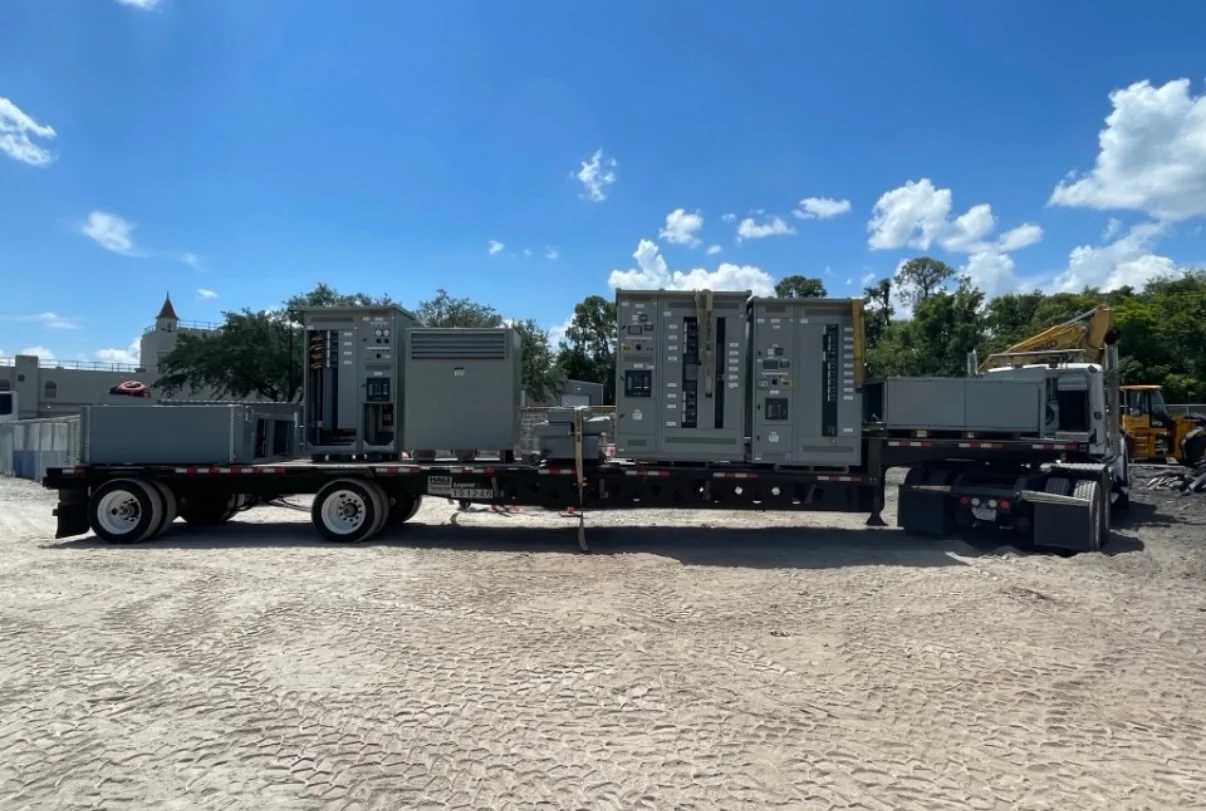
A requested delivery date is useful only when the work behind it is understood. Ask for the current schedule and identify bid, submittal, approval, outage, installation, and energization milestones; lead time and availability must be confirmed for the specific design and order. Custom configurations, component selections, drawing review, and revisions can affect the schedule, so establish who reviews submittals and how quickly decisions are expected. In Freeport, coordinate delivery planning with site access, receiving hours, laydown space, weather exposure, and any plant rules for vehicles or contractors. Confirm whether the equipment can reach its final location and whether unloading resources are arranged. Treat shipping dates, transportation arrangements, and site readiness as separate coordination items rather than assuming a quoted equipment schedule includes every delivery or installation condition.
Compare Quotes by Scope, Documents and Delivery Terms
When evaluating proposals, check that each one addresses the same electrical ratings, lineup arrangement, devices, accessories, controls, and project documentation. Review stated exclusions and identify whether drawings, wiring information, operating instructions, and requested test or inspection records are included; confirm any required forms or acceptance criteria before placing an order. For a manufacturer-built assembly, clarify component substitutions, approval steps, change handling, freight assumptions, receiving responsibilities, and the process for resolving technical questions. A low initial price may omit an interface or document needed by the installer, while an unexamined assumption can surface as a costly field change. Request a written response to open technical items and compare scope, not just totals. Final configuration, standards, labeling, pricing, and delivery terms should be confirmed for the project before procurement approval.