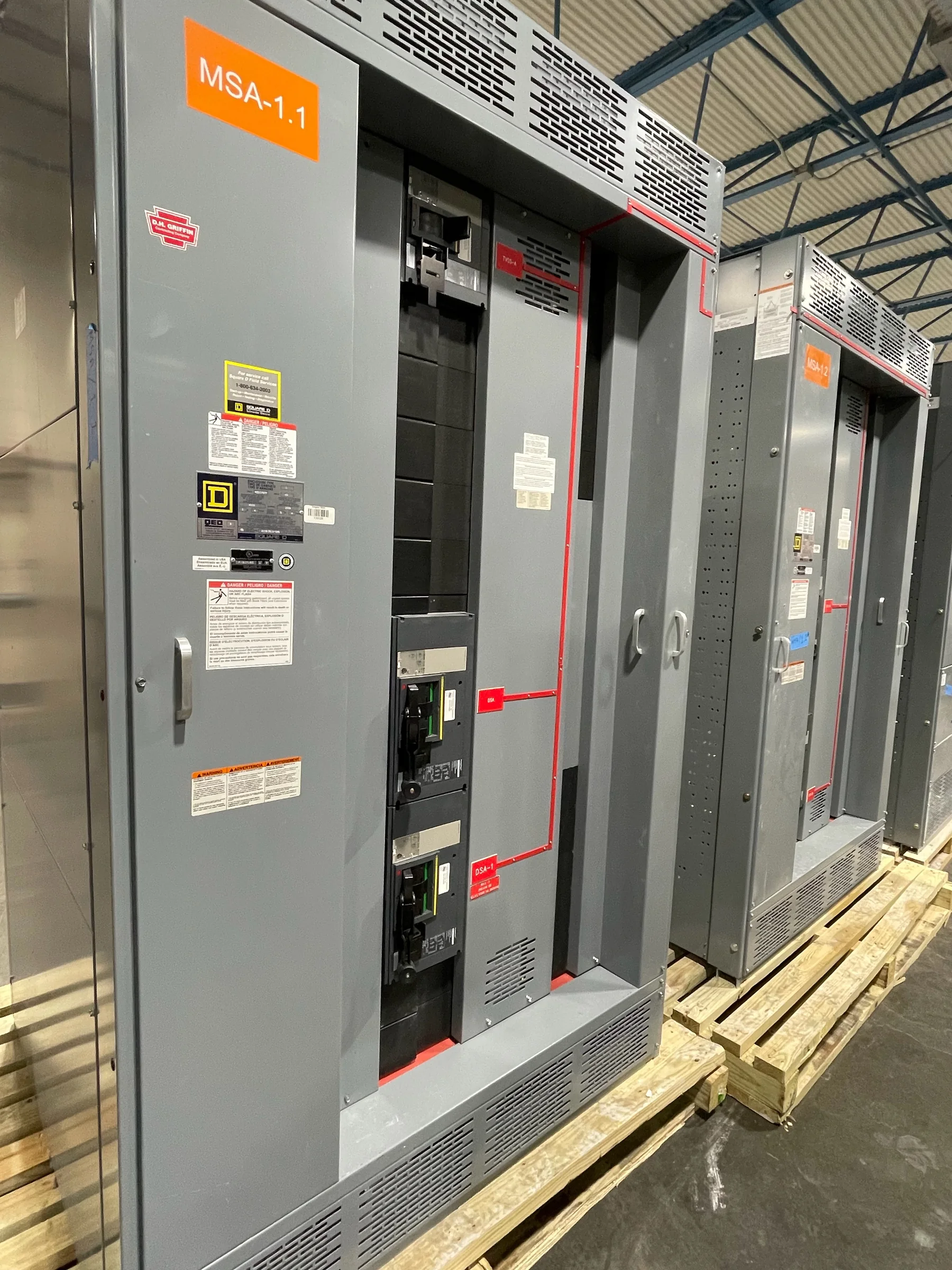
Define the Equipment Scope Before Requesting a Quote
A useful switchgear quote starts with the equipment boundary: what the new assembly must feed, protect, control, and connect to. For a Spring facility, identify whether the project involves a low-voltage switchboard, medium-voltage distribution equipment, a replacement lineup, or a defined portion of a larger system. Share the one-line diagram, available fault-current information, voltage, phase, frequency, bus requirements, service conditions, and proposed protective-device functions when known. If details are not yet established, flag them as open items rather than assuming a standard arrangement. This distinction matters because equipment type, ratings, construction, and evaluation requirements differ by application. A U.S. manufacturer can review the project basis and identify decisions that need engineering confirmation before pricing or production planning.
Coordinate Ratings and Protective Devices With the System
Protective-device selection should follow the electrical system study and the intended operating scheme, not a catalog match alone. Provide the available short-circuit current at the equipment location, upstream and downstream device information, grounding method, and any selectivity or coordination objectives. Those inputs help the project team evaluate interrupting ratings, bus withstand requirements, and device arrangements for the specific installation. If a study is incomplete, note its status and identify who will finalize it; an assumed fault level can lead to an unsuitable quote or late redesign. For low-voltage switchboard assemblies, UL 891 may be relevant when the assembly is appropriately evaluated for that standard. It does not establish a blanket listing for every product or apply indiscriminately to medium- or high-voltage equipment.


Resolve Replacement and Retrofit Interfaces Early
Replacing existing gear can be more demanding than choosing new equipment because the new lineup must fit both the electrical design and the physical installation. Document the existing manufacturer and model if available, lineup dimensions, bus orientation, cable entry and exit locations, conductor sizes, connection details, and available working space. Photographs and field-verified measurements can reveal obstructions, unusual terminations, or access limits that drawings omit. For a retrofit, define what will be removed, what remains in service, and where the transition boundaries fall. Compatibility cannot be assumed from a nameplate or exterior dimensions alone. These details matter for estimating engineering, connection work, and outage planning; unresolved interfaces can force field modifications or extend the period when the facility cannot use the affected distribution equipment.
Account for Spring Site Conditions and Delivery Access
Delivery planning in Spring should reflect the actual site route, not just the shipping destination. Confirm truck access, gate and security procedures, unloading responsibility, available laydown space, receiving hours, and the path from the drop point to the electrical room. Large or sectional assemblies may face limits at doorways, corridors, elevators, turns, or floor loading; verify those constraints against the proposed shipping configuration. Also consider how regional storms or heavy rain could affect an exposed unloading area and protect the equipment accordingly. Nationwide shipping does not determine the receiving plan at a particular facility. Clear access information helps align packaging, shipment coordination, rigging arrangements, and site readiness, while reducing the risk of a delivery that arrives before the building can safely receive and move the equipment.
Build a Complete Quote Package for Review
A complete request package makes technical and commercial review more useful. Along with the one-line diagram and equipment data, include a scope narrative, quantity, preferred manufacturer or component requirements, requested options, project location, and any applicable specifications. State whether drawings, submittals, or coordination with an engineer are expected, and identify the person authorized to answer technical questions. Separate firm requirements from preferences so the quote can distinguish mandatory features from alternatives. For example, U.S.-made components or a custom arrangement may be part of the project basis, but the exact components and configuration need confirmation. This information matters because omissions can produce exclusions, assumptions, or revisions that complicate bid comparison. Ask the manufacturer to identify unresolved inputs and quote qualifications so procurement can evaluate proposals on a consistent scope.
Align Schedule, Submittals, and Site Readiness
Discuss timing as a sequence of project milestones rather than relying on an assumed delivery date. Identify when approved drawings are needed, who will review them, what approvals release the equipment for production, and when the installation site is expected to be ready. Custom builds and component availability can affect the schedule, so confirm current project-specific timing during quotation and again as the design advances; short lead times are an offering, not a guaranteed date. Coordinate the planned outage, electrician availability, removal scope, receiving window, and any required inspections with the facility team. If those activities are not aligned, equipment may arrive before the site is prepared, or installation may miss its operating window. Clear schedule ownership helps engineers, purchasing teams, and facility managers resolve dependencies before they become costly delays.