Define the Replacement Scope Before Selecting Equipment
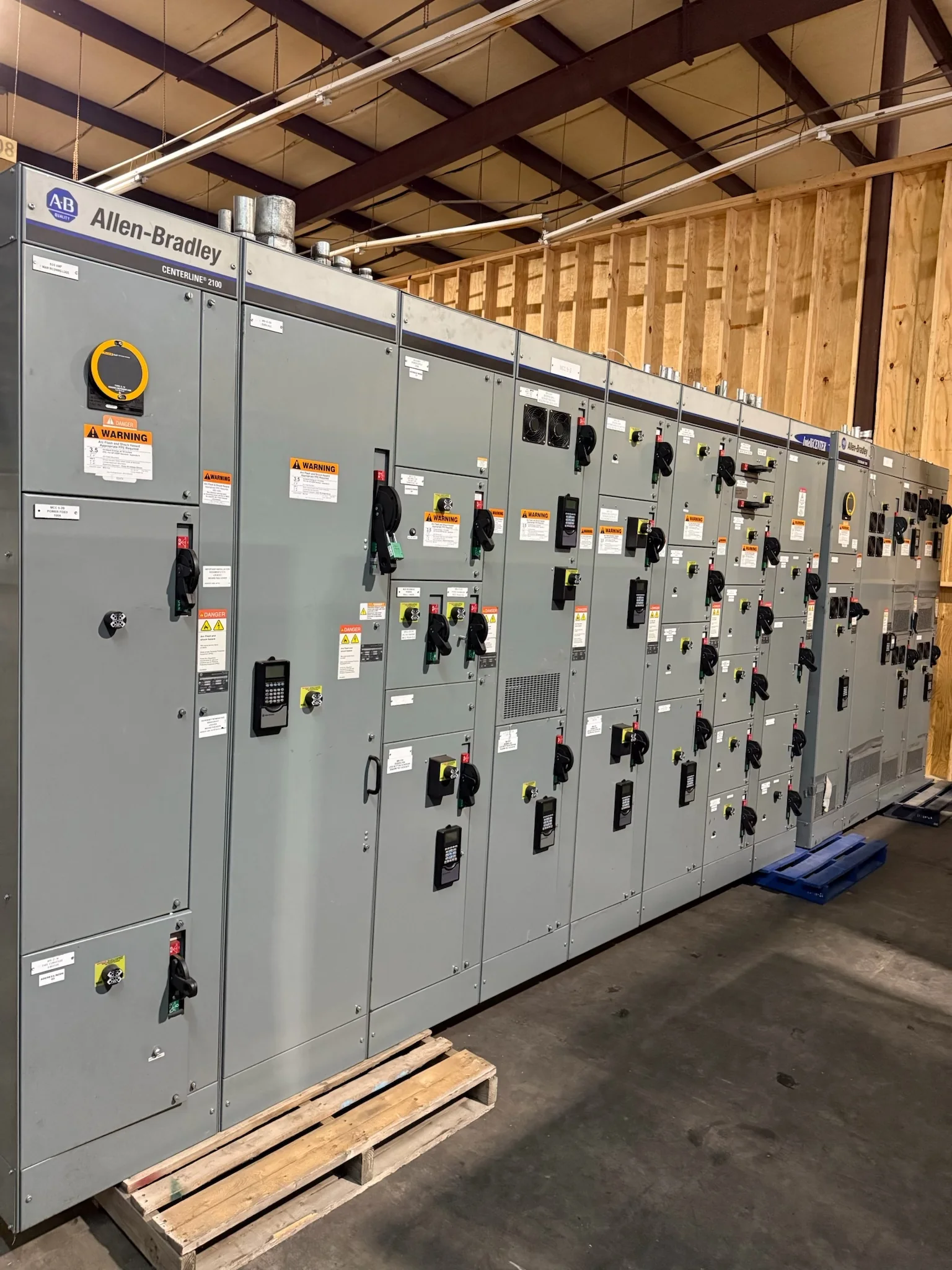
A switchgear replacement in Beaumont starts with the existing system’s function, not with the enclosure dimensions alone. Establish whether the equipment is a switchboard, switchgear lineup, or another distribution assembly, and document its nominal voltage, phase, frequency, bus arrangement, interrupting requirements, and connected loads. The distinction matters because equipment classes and applicable standards are not interchangeable, and a replacement must suit the electrical system it will serve. Record the source transformer or upstream protective device, downstream feeders, available fault-current information, grounding arrangement, and any generator or alternate-source connections. Confirm these details against current drawings and field conditions; old labels and one-line diagrams may not reflect later modifications. Final ratings, construction, and standards depend on project-specific engineering review.
Check Existing Connections and Protection Coordination
Compatibility is more than matching a voltage and fitting new breakers into an old lineup. Engineers should compare the available fault current with the proposed assembly’s evaluated ratings and review how upstream and downstream protective devices coordinate. A mismatch can affect equipment suitability or cause a fault to interrupt more of the facility than intended. Capture breaker manufacturer, model, trip-unit details, frame sizes, settings, and cable or bus connections where records and safe inspection permit. Include arc-flash and short-circuit study requirements in the scope, and identify whether those analyses need to be updated for the new equipment. Replacement breakers, transition sections, or retrofit approaches are not automatically compatible with existing gear. Specify the intended scope early so the manufacturer and project engineer can evaluate the complete interface.


Plan the Cutover Around Beaumont Operating Conditions
In Beaumont, heat, humidity, heavy rain, and Gulf Coast storm exposure can shape both installation planning and equipment placement. Confirm whether the gear will be indoors or outdoors, the condition of the electrical room, ventilation, clearances, access routes, and any exposure to moisture, corrosive atmospheres, or airborne contaminants. These conditions inform enclosure and environmental requirements, but they do not by themselves establish a particular rating or construction. A replacement also needs a realistic outage and cutover plan. Identify critical loads, temporary power needs, switching responsibilities, required permits, and the sequence for removing old equipment and connecting the new assembly. All electrical work must be performed de-energized under the applicable safety procedures. Coordinate the plan with facility operations so production, life-safety systems, and restart checks are addressed.
Specify the New Assembly and Document Exceptions
A useful request for quotation gives bidders a common technical basis while leaving room to identify unresolved conditions. Provide the latest one-line diagram, equipment schedules, site photos, available fault-current and load data, and known cable-entry and bus-connection details. State preferred manufacturers or components only where required, along with incoming and outgoing arrangements, metering, controls, communications, spare provisions, and any future capacity needs. Mark information that is verified, assumed, or still to be confirmed; that distinction can prevent a budgetary estimate from being mistaken for a final design. Ask for a documented list of deviations from the specification and identify the drawings, data sheets, and submittals needed for review. American components and custom builds can be discussed with the U.S. manufacturer, subject to project requirements and availability.
Match Delivery and Handling to the Actual Site
Delivery coordination can determine whether a completed lineup reaches its electrical room without avoidable delay or damage. Beaumont-area sites may have different receiving rules, gate hours, vehicle restrictions, unloading equipment, and laydown limits, so verify these with the facility and carrier before setting a shipment plan. Check crate dimensions, weights, route clearances, door and corridor openings, floor capacity, rigging access, and whether equipment must be moved in sections. Establish who receives the shipment, inspects it for transit damage, and documents any discrepancy before installation. The manufacturer can discuss nationwide shipping and project timing, but lead time and delivery dates are not guaranteed by a general statement; they depend on approved specifications, component availability, production scheduling, and logistics. Confirm current assumptions in the quotation and order documents.
Close Out with Testing, Submittals, and Clear Responsibilities
Before placing replacement equipment into service, align the procurement package with the project’s inspection, testing, commissioning, and closeout requirements. Confirm which party provides shop drawings, wiring diagrams, operating instructions, recommended maintenance information, and final configuration records. Identify acceptance criteria and who witnesses or documents inspections and tests; do not assume a specific test, field service, or certification is included unless the quotation states it. UL 891 applies to appropriately evaluated low-voltage switchboard assemblies, not as a blanket certification for medium- or high-voltage equipment. Verify the applicable equipment category, standard, and requested marking for the actual assembly. A complete record set gives facility staff a reliable basis for future maintenance and troubleshooting. Resolve responsibility for field connections, settings, and startup before award so gaps do not emerge during the outage.