Define the Replacement Boundary Before Selecting Equipment
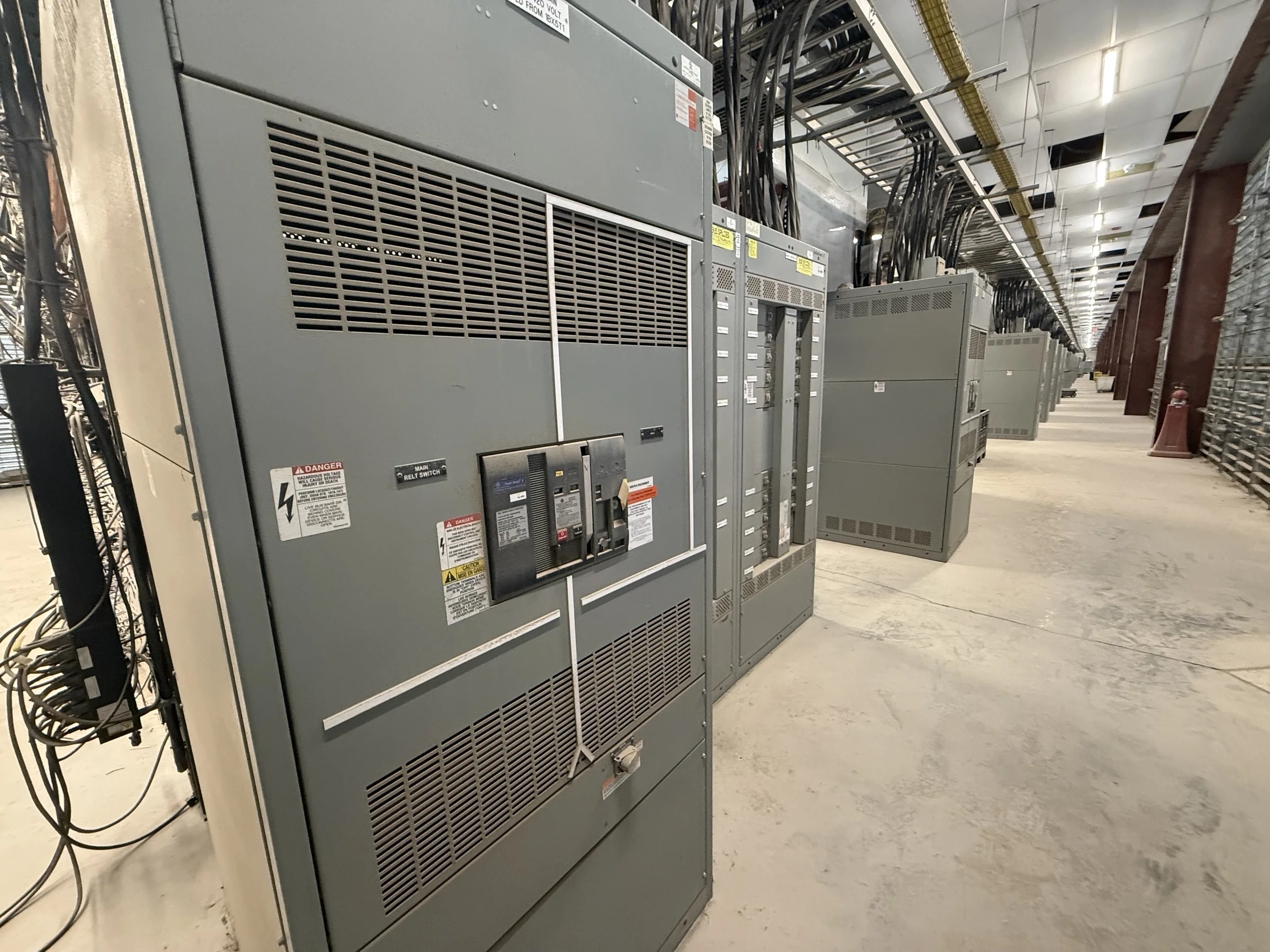
In Freeport, a replacement project may involve a single switchboard lineup, a service entrance, or distribution equipment serving one process area; those scopes are not interchangeable. Start with an equipment walkdown and current one-line diagram, then identify which loads, feeders, protective devices, and upstream sources are included. Record nameplate information, bus arrangement, available fault-current data, grounding method, and the physical limits of the existing installation. These details help the manufacturer assess whether the new assembly can fit the electrical system and the room, rather than simply match a catalog description. If drawings are outdated, flag that early and arrange field verification by qualified personnel. A clear boundary reduces late design changes, clarifies what must be disconnected or transferred, and gives procurement a reliable basis for comparing proposals.
Translate Existing Conditions Into a Usable Specification
A useful request for quote describes the duty the equipment must perform, not just the dimensions of the old gear. Provide system voltage, phase and wire configuration, continuous load expectations, fault-current information, main and feeder requirements, enclosure conditions, and the intended protection and metering functions. Include the governing project standards and any required submittal format, but avoid assuming an existing assembly’s labels or ratings automatically apply to its replacement. In coastal Brazoria County, salt-laden air and humidity can make room condition, ventilation, condensation control, and enclosure materials important specification questions; actual exposure varies by installation. Share photographs and measured clearances alongside drawings, and identify known changes to loads or utility service. The manufacturer can then review a project-specific configuration, flag missing inputs, and distinguish confirmed requirements from items that need engineering or site validation.


Check Protection, Coordination, and System Compatibility
Replacing distribution equipment can alter how faults are interrupted and how upstream and downstream devices coordinate. Gather available utility fault-current information, transformer data, protective-device settings, and relevant studies before finalizing interrupting ratings or trip functions. Confirm the grounding arrangement and how the proposed gear interfaces with existing conductors, transfer equipment, generators, drives, and control systems. If the replacement changes bus capacity, protective devices, or the source configuration, the engineer of record may need to review updated short-circuit, coordination, or arc-flash analyses. These are not details to infer from a photograph or the former nameplate alone. A complete submittal package should make review easier by identifying assumptions, deviations, device data, and interface points. Confirm the applicable standards and evaluation scope for the exact assembly; UL 891 pertains to appropriately evaluated low-voltage switchboards, not all switchgear.
Plan the Changeover Around Freeport Site Conditions
For an operating facility near Freeport’s port, industrial, and coastal corridors, delivery planning should account for more than the shipment’s arrival date. Confirm receiving hours, truck access, security procedures, unloading equipment, staging space, and the route from the receiving point to the electrical room. Check doorway dimensions, turning clearance, floor capacity, overhead obstructions, and whether the lineup must be moved in sections. These constraints can affect equipment configuration and the sequence of installation, so share them while the design is being developed. Coordinate outage windows with operations, utility representatives, contractors, and affected process teams; do not treat an estimated manufacturing schedule as an approved outage plan. Ask the manufacturer to discuss current project timing and nationwide shipping options, then build contingency into site coordination. Specific delivery dates and handling arrangements depend on project scope and availability.
Compare Proposals by Scope, Documentation, and Schedule Assumptions
Procurement can avoid misleading comparisons by asking each proposal to identify what is included and what remains by others. Review the equipment description, drawings, device schedules, bus and enclosure details, options, exceptions, and required customer-furnished information. Separate the quoted manufacturing duration from drawing approval, production release, freight, site access, and installation milestones; a short lead-time offering is not a guaranteed delivery date for every configuration. Ask when schedule assumptions begin, what approvals are needed, and how revisions affect the plan. For custom-built equipment, confirm that the submittal process captures field dimensions and interface requirements before production. Compare technical compliance and documented deviations alongside price, rather than relying on a broad description such as “replacement switchgear.” The result is a more defensible purchasing decision and fewer surprises when the equipment reaches the Freeport facility.
Prepare Installation Records and Commissioning Handoffs
Before release for construction, align the approved drawings with the final site conditions and document any field changes through the project’s review process. Identify responsibility for demolition, conductor preparation, rigging, anchoring, terminations, testing, and restoration of control wiring. Installation and inspection must be performed by qualified personnel under the applicable safety program; equipment must be de-energized and verified safe before work on it. Plan how operations will verify load transfers, alarms, metering, protective-device settings, and control interfaces after installation, using project-approved procedures. Preserve final drawings, device settings, test records, equipment nameplates, and maintenance information in the facility’s electrical records. These handoff materials matter because future troubleshooting and maintenance depend on knowing what was installed, how it was configured, and which assumptions were verified. Confirm testing scope and acceptance criteria with the responsible project parties before work begins.