Plan the Rigging Route Before Releasing the Order
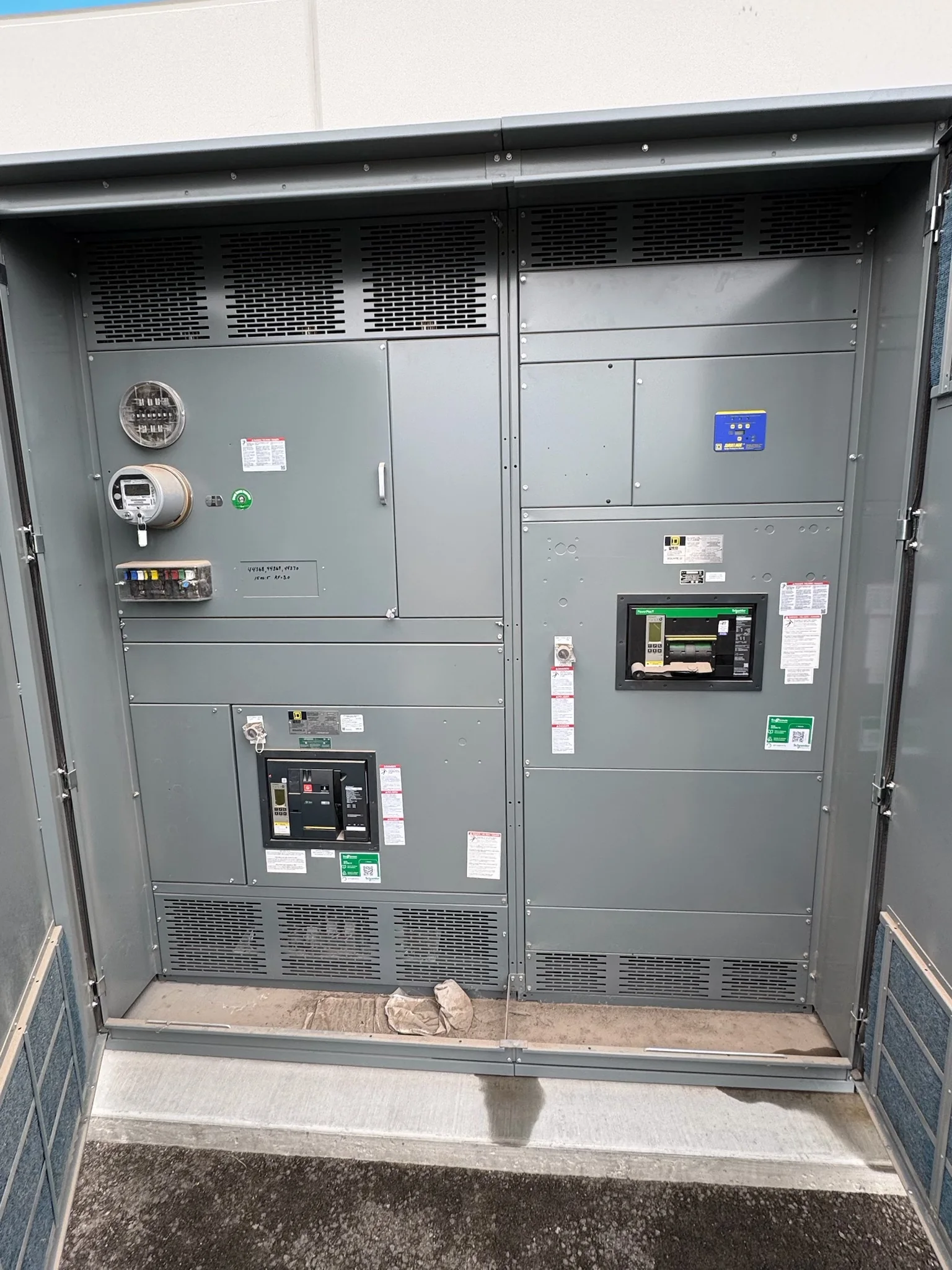
Switchgear dimensions and shipping weight affect more than the truck: they determine whether equipment can pass through site gates, loading docks, corridors, doorways, and overhead clearances. During specification, compare the proposed lineup configuration with the entire route from delivery point to final position, including turns, floor transitions, ramps, and temporary obstructions. Ask the manufacturer for project-specific shipping dimensions, weights, lifting points, and handling instructions when available; do not assume the shipping configuration matches the installed lineup. Confirm whether sections will arrive assembled or divided for shipment, since that choice can change rigging access and field work. Early review helps the engineering and procurement teams identify a practical configuration before fabrication, when changes are generally easier to evaluate than after the equipment reaches a constrained site.
Match the Shipment to Site Handling Equipment
A rigging plan depends on verified load information and the capacities of the equipment that will actually handle the shipment. Coordinate with the manufacturer and qualified rigging professionals to establish the weight and dimensions of each shipping section, lifting method, center of gravity information, and any restrictions stated in the handling documentation. Then compare those details with the available crane, forklift, slings, spreader bars, and access conditions; nominal equipment capacity alone does not confirm a safe lift. Consider ground bearing, floor loading, turning space, reach, and the planned set-down location. If a project calls for unusual handling or a restricted route, raise that constraint during quoting and submittal review. Resolving the lift plan before dispatch reduces the risk of a truck waiting while site teams arrange suitable equipment.


Set a Receiving Window That Fits the Project
Delivery timing should account for more than the requested arrival date. Confirm the expected fabrication and shipping sequence with the manufacturer, then coordinate a receiving window with the general contractor, electrical contractor, rigging crew, and site operations. Establish who can accept the load, where the truck can wait, what access restrictions apply, and how the delivery will be handled if weather or site readiness changes. For active facilities, receiving may need to avoid production shifts, emergency access routes, or scheduled outages. Keep the delivery plan aligned with construction progress: receiving too early can create storage and damage exposure, while receiving too late may affect installation and commissioning milestones. Because timing and availability are project-specific, document assumptions and promptly communicate schedule changes to all parties responsible for transport, unloading, and installation.
Prepare the Receiving Area and Storage Conditions
Before the shipment arrives, verify that the unloading zone and intended storage area are ready for the equipment’s dimensions, weight, and packaging. Protect designated travel paths, coordinate access control, and make sure the delivery location does not block fire lanes, exits, or other critical facility operations. If installation will not begin immediately, identify secure storage that follows the manufacturer’s instructions and protects the equipment from moisture, dust, impact, and unauthorized access. Indoor storage may be necessary depending on the packaging, environment, and equipment requirements; do not treat a weather-resistant shipping wrap as permission for prolonged outdoor storage. Assign responsibility for checking environmental conditions and preserving packaging or protective materials. Planning these details reduces avoidable damage and helps maintain the equipment’s condition until qualified personnel are ready to install it.
Inspect, Document, and Report Shipment Conditions
At delivery, compare the shipment against the bill of lading, packing list, purchase documentation, and approved project submittals. Record section identifiers, quantities, and visible packaging or equipment damage before signing, and take clear photographs where permitted. Note discrepancies or damage on the carrier’s delivery record and notify the appropriate manufacturer and project contacts promptly, following the applicable shipping and contract procedures. Do not discard packaging or move a potentially damaged section unnecessarily before the condition is documented and next steps are agreed. Keep receiving records with the equipment’s project file; they can help resolve shipping questions and support orderly installation planning. Receiving inspection does not replace electrical acceptance checks, installation review, or commissioning. Those activities require the applicable project documents and qualified personnel, with equipment de-energized before inspection or work that requires it.
Coordinate Rigging Records With Installation and Startup
A successful delivery is only one handoff in the equipment lifecycle. Give the installation team the approved drawings, equipment identification, handling instructions, and receiving notes before rigging begins so the delivered configuration can be checked against the intended lineup and room layout. Confirm final placement, anchorage, clearances, access for operation and maintenance, and interfaces with conduits or bus connections against the project documents and manufacturer guidance. Record any shipping damage, missing items, field changes, or storage concerns for resolution before installation proceeds. Do not infer that a shipment’s arrival confirms compatibility with existing distribution equipment or that a proposed connection is acceptable; those determinations depend on project-specific design and review. Keep the rigging and receiving records with turnover documentation to support installation verification, commissioning coordination, and future maintenance.