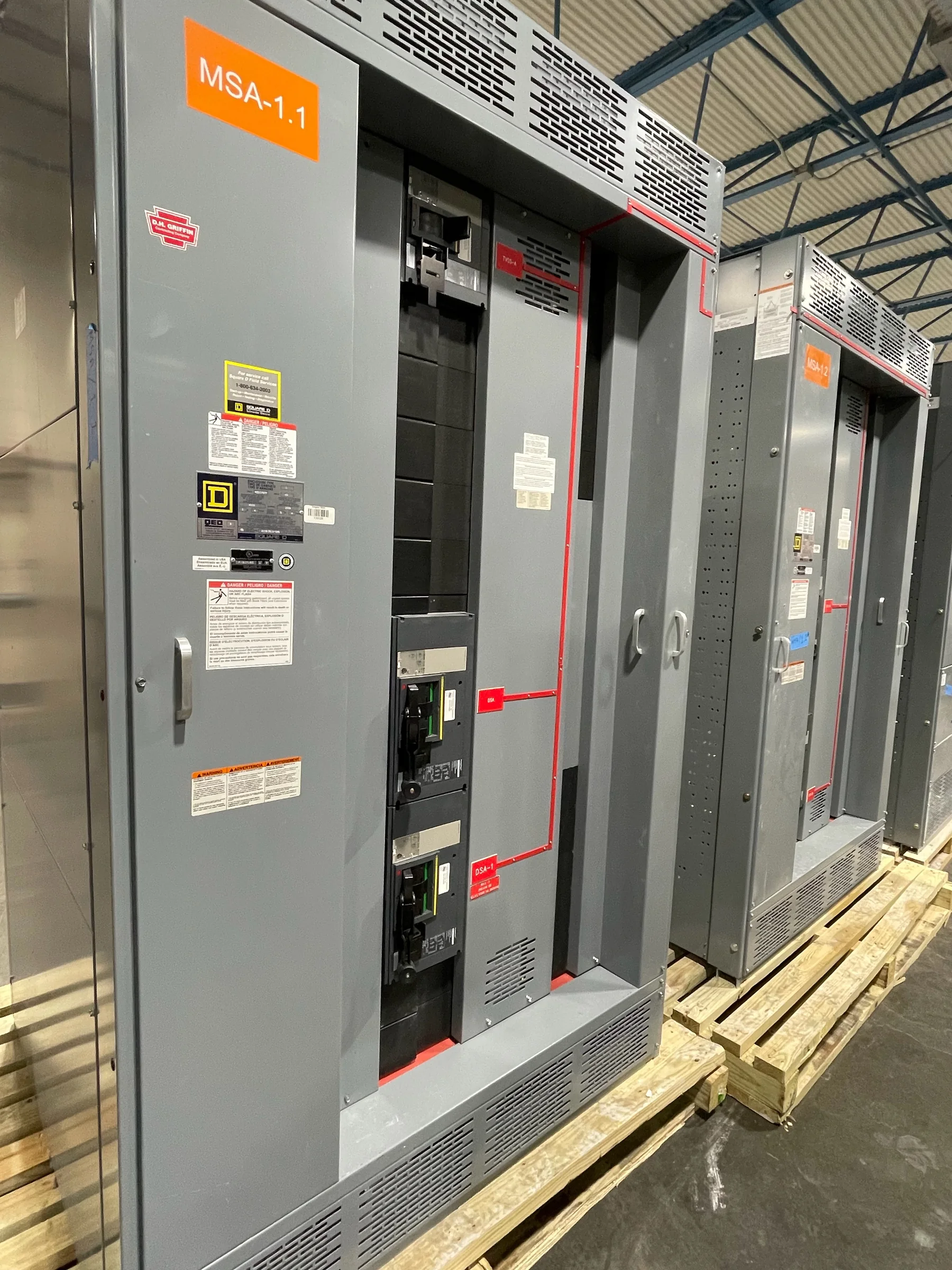
Decide What the Split Is Meant to Solve
A shipping split should address a defined project constraint, not simply divide equipment into convenient-looking pieces. Common drivers include limited doorway or elevator clearances, floor-loading limits, restricted crane access, phased construction, or a need to set equipment before the electrical room is fully complete. Identify which constraint applies and have the design team, equipment manufacturer, rigging contractor, and site coordinator review it together. A split that clears the entrance may still create awkward lifting points, require extra field assembly, or interrupt factory-installed wiring and testing. Compare the cost and schedule effects of one shipment against multiple shipments, including added receiving, storage, handling, and installation work. The right plan depends on the building, assembly design, project sequence, and approved equipment configuration.
Provide the Manufacturer With Complete Project Inputs
Request pricing and configuration review with enough information to evaluate both the electrical assembly and its transportation limits. Useful inputs include the one-line diagram, equipment schedule, required ratings, incoming and outgoing cable arrangements, room layout, access drawings, and the project’s required submittal and delivery milestones. Mark the proposed shipping sections on a plan and identify where each section will be unloaded, stored, moved, and installed. Note door widths, ceiling heights, turning radii, dock conditions, loading restrictions, and available lifting equipment; dimensions should be verified by the responsible site and rigging teams. Also identify required field connections between sections and any site-installed control or bus work. Exact section dimensions, weights, connections, and availability are project-specific and should be confirmed before procurement and logistics are finalized.


Protect Electrical and Mechanical Continuity Across Sections
Every division between shipping sections becomes an interface that needs deliberate design and clear installation information. Depending on the equipment and approved configuration, interfaces may involve bus connections, control wiring, ground continuity, barriers, hardware, or enclosure alignment. The project team should establish who supplies connection materials, who performs field assembly, and which drawings and instructions govern the work. Confirm that the proposed split preserves required clearances, access for terminations, and the intended equipment arrangement rather than assuming that two sections can simply be joined in the field. Coordinate any changes with the responsible electrical engineer and manufacturer before release; later changes may affect fit, coordination, or procurement. Installation and connection work must be performed by qualified personnel under approved procedures with equipment safely de-energized.
Align Split Deliveries With Construction Readiness
A multi-shipment plan can help a project install equipment in phases, but early arrival is useful only if the receiving area is ready and protected. Establish a requested ship sequence around room completion, housekeeping pads, cable-tray access, overhead work, and the availability of rigging crews. Identify which sections must arrive together to support safe, practical assembly, and whether temporary storage can protect equipment from moisture, dust, impact, and unauthorized access. Include realistic time for receiving inspections, damage reporting, staging, movement into the room, and field joining; a delivery date alone does not mean the assembly is ready for energization. Confirm milestone dates and dependencies with the manufacturer during purchasing, then communicate revisions promptly. Production timing and shipment availability depend on the final scope and project-specific requirements.
Coordinate Transport, Receiving, and Site Access
Shipping plans should translate the equipment arrangement into instructions a carrier and receiving crew can act on. Confirm the delivery address and receiving hours, unloading responsibility, dock or curbside conditions, route restrictions, and whether the site can accept multiple trucks or deliveries. Ask the manufacturer to document section identification, handling orientation, approximate shipping dimensions and weights when available for the approved design, and any special lifting or protection requirements. Compare those details with the route from the unloading point to the electrical room, including turns, ramps, thresholds, temporary construction, and floor capacity. Assign a site contact to check shipment counts and visible condition against the packing documents, record discrepancies, and direct each section to its planned staging location. Nationwide shipping does not remove the need to verify local access, carrier arrangements, and receiving capability.
Make the Shipping Split Traceable in Project Documents
Before approving the purchase, capture the shipping plan in coordinated documents rather than leaving assumptions in email or meeting notes. The submittal package should show section boundaries, shipping identifiers, overall arrangement, field interfaces, and the documents installers need to assemble the approved configuration. Procurement records should clarify what is included with each shipment, the requested sequence, the delivery contact, and how schedule changes or incomplete site readiness will be handled. For appropriately evaluated low-voltage switchboard assemblies, UL 891 may be relevant to the assembly; it is not a blanket certification for medium- or high-voltage equipment, and the applicable evaluation must be confirmed for the specific product. Review final drawings against access and rigging plans before release. Clear, consistent records reduce mismatched sections, avoidable handling, and commissioning delays.