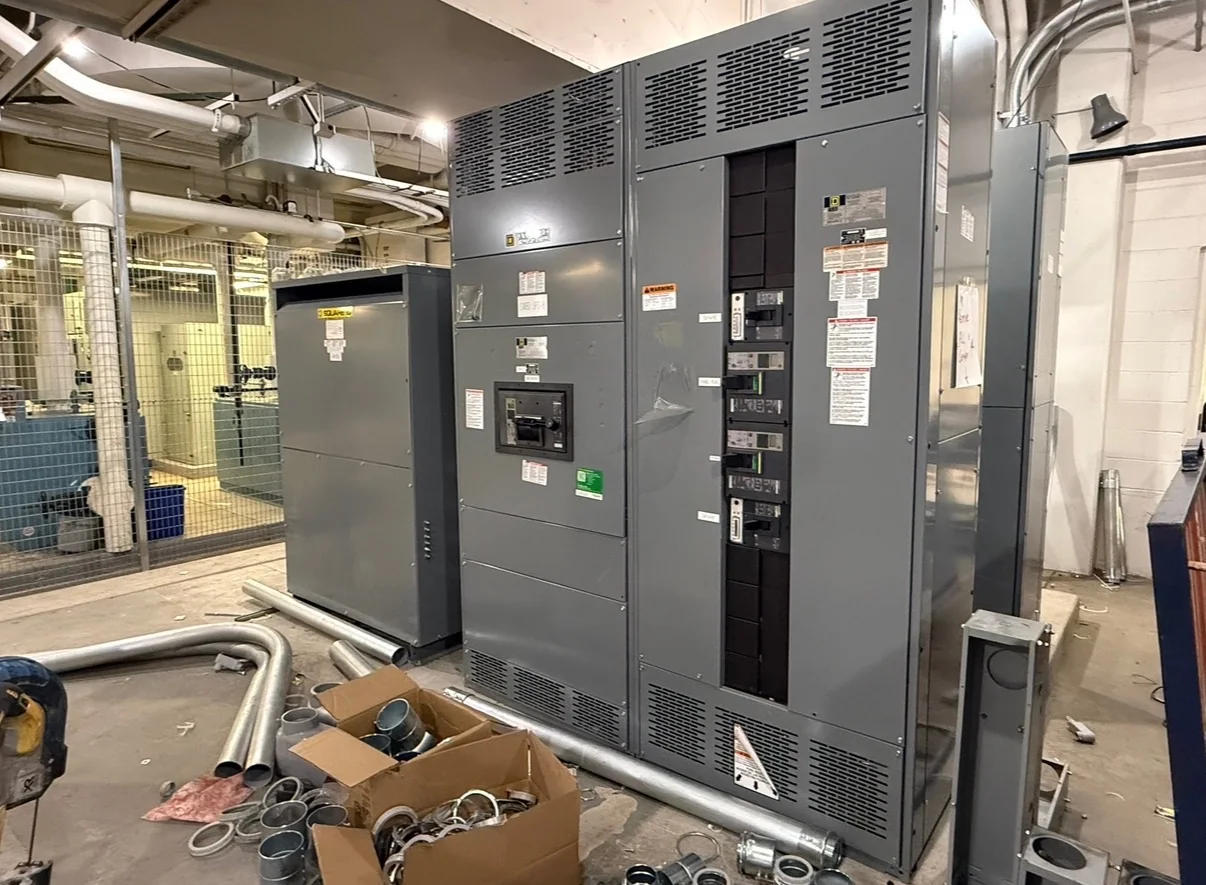
Define the Purpose and Boundaries of Testing
Testing and inspection should be planned around the equipment being supplied, its intended application, and the evidence the project requires—not treated as a single generic service. A new low-voltage switchboard, a medium-voltage lineup, and a replacement section have different construction details, interfaces, and applicable evaluation criteria. Identify whether the project calls for review of drawings, inspection during manufacture, factory testing, field acceptance testing, or a combination. That distinction matters when assigning responsibilities, setting witness points, and comparing proposals. Specify which assemblies and components are included, what records are required, and who will review results. Applicable standards, ratings, listing requirements, and acceptance criteria must be confirmed for the particular design; UL 891 applies to appropriately evaluated low-voltage switchboard assemblies, not every type of switchgear.
Resolve Ratings, Interfaces, and Applicable Criteria
Inspection planning starts with a complete equipment basis: system voltage, available fault current, continuous load, protective-device requirements, enclosure conditions, and the arrangement of incoming and outgoing connections. These details shape both the design review and the checks that can meaningfully demonstrate conformity. Confirm how the proposed gear connects to existing transformers, cables, bus duct, grounding, controls, and metering; a physically suitable lineup can still create costly field changes if interface assumptions are wrong. Procurement documents should identify the governing project specifications and applicable codes or standards, while leaving project-specific interpretation to the responsible design professionals. Ask the manufacturer to identify deviations, exclusions, and information still needed before release. Do not assume that a general test description establishes a particular rating, certification, or acceptance result.
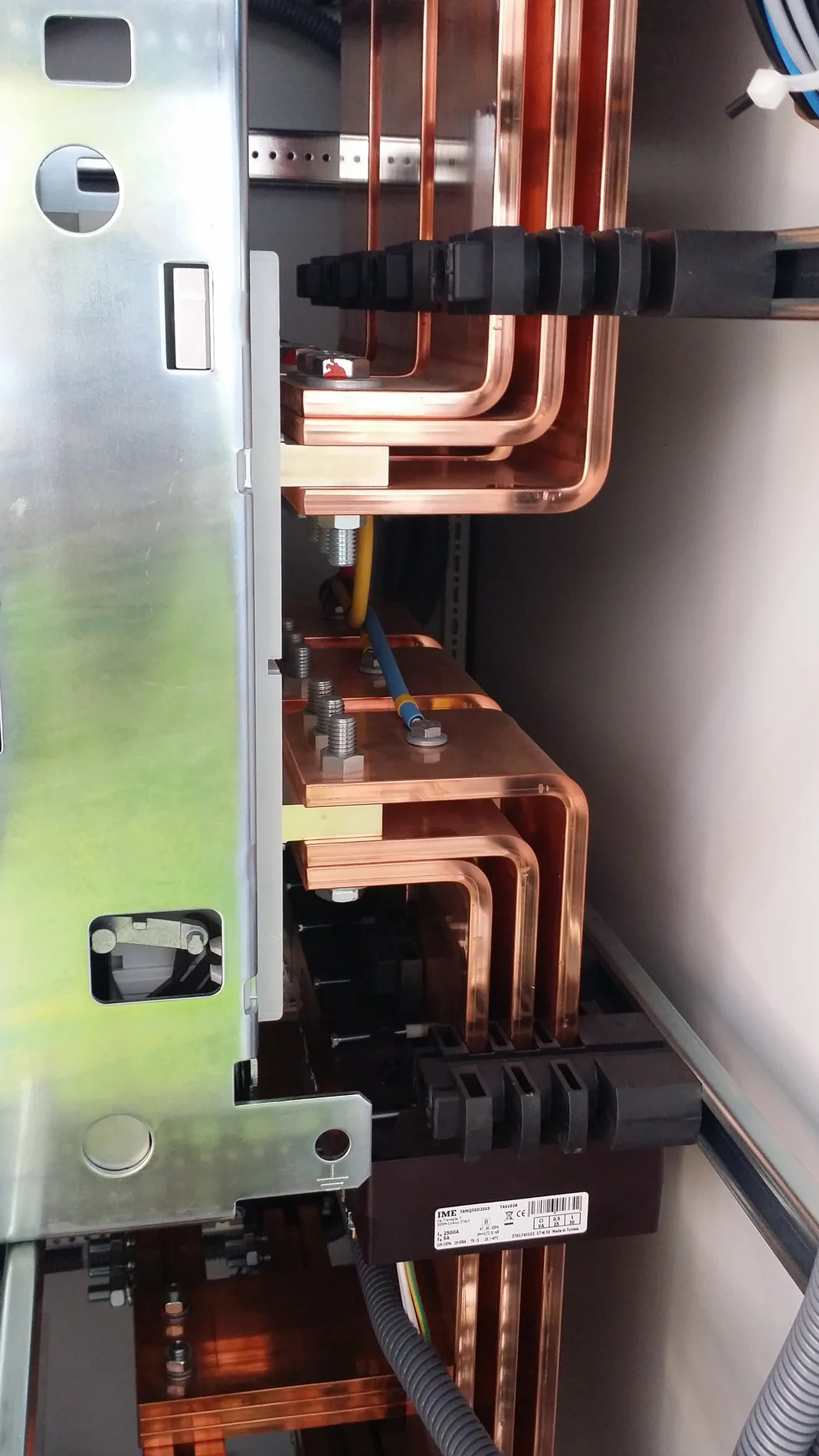

Plan Factory Review and Witness Points
Factory review can catch drawing, labeling, component, and assembly discrepancies before equipment is shipped, when resolving them is generally less disruptive than correcting an issue at the site. Agree in advance on the inspection scope, documentation, notice requirements, and whether customer or third-party witnessing is expected. Witnessing should have a defined purpose: for example, observing specified routine checks or reviewing records against approved submittals. It should not be mistaken for a substitute for the manufacturer’s quality process or for field acceptance testing. Align review dates with drawing approval and production milestones, but avoid making a purchase decision depend on an unconfirmed schedule. Record questions and dispositions, and establish how revisions will be communicated so the inspected configuration remains traceable to the equipment ultimately delivered.
Coordinate Delivery With Site Readiness
Testing plans are affected by the route from the unloading point to the final installation location. Before release, verify doorway and corridor clearances, floor loading, turning space, lifting access, staging capacity, and any limits on crate dimensions or delivery vehicles. A lineup that arrives before the electrical room is accessible can incur storage, handling, and schedule complications; one delivered after the installation window may affect shutdown planning. Share site constraints and required delivery sequence with the manufacturer when requesting a quote, then confirm packaging, shipment configuration, and timing as project-specific details. Nationwide shipping does not remove the need for receiving coordination. Assign a responsible person to inspect shipment condition, reconcile equipment and accessories against packing documents, and promptly document visible damage or missing items before installation proceeds.
Prepare Field Acceptance and Safe Access
Field acceptance testing should be coordinated with installation completion, approved drawings, manufacturer instructions, and the project’s safety program. Before inspection or testing, define the responsible qualified personnel, equipment boundaries, required permits, access controls, and the process for placing circuits in an electrically safe work condition. De-energized work and verification of the absence of voltage are essential safeguards; a test plan is not permission to perform hazardous energized work. Confirm that installed equipment matches the approved configuration and that terminations, grounding, mechanical supports, labels, and interconnections are ready for the planned checks. The scope and methods should be selected by qualified project personnel for the specific equipment and applicable requirements. Record deficiencies, corrective actions, retest status, and final acceptance so unresolved items are visible to operations and commissioning teams.
Specify Records, Schedule, and Quote Assumptions
A useful procurement package states what testing and inspection records must accompany the equipment and when reviewers need them. Depending on project scope, request approved drawings, equipment identification, applicable component and assembly documentation, inspection records, test results, and a clear record of accepted deviations or open items. Identify required formats, review deadlines, witness arrangements, and the person authorized to accept documents; otherwise, submittal gaps can hold up release or energization. When comparing proposals, distinguish included factory checks from optional witness services and site testing, and ask which customer inputs are needed to finalize the design. A U.S. manufacturer may offer custom builds, American components, short lead times, and UL 891 assemblies, but availability, schedule, exact configuration, and applicable evaluation must be confirmed for each project rather than assumed.