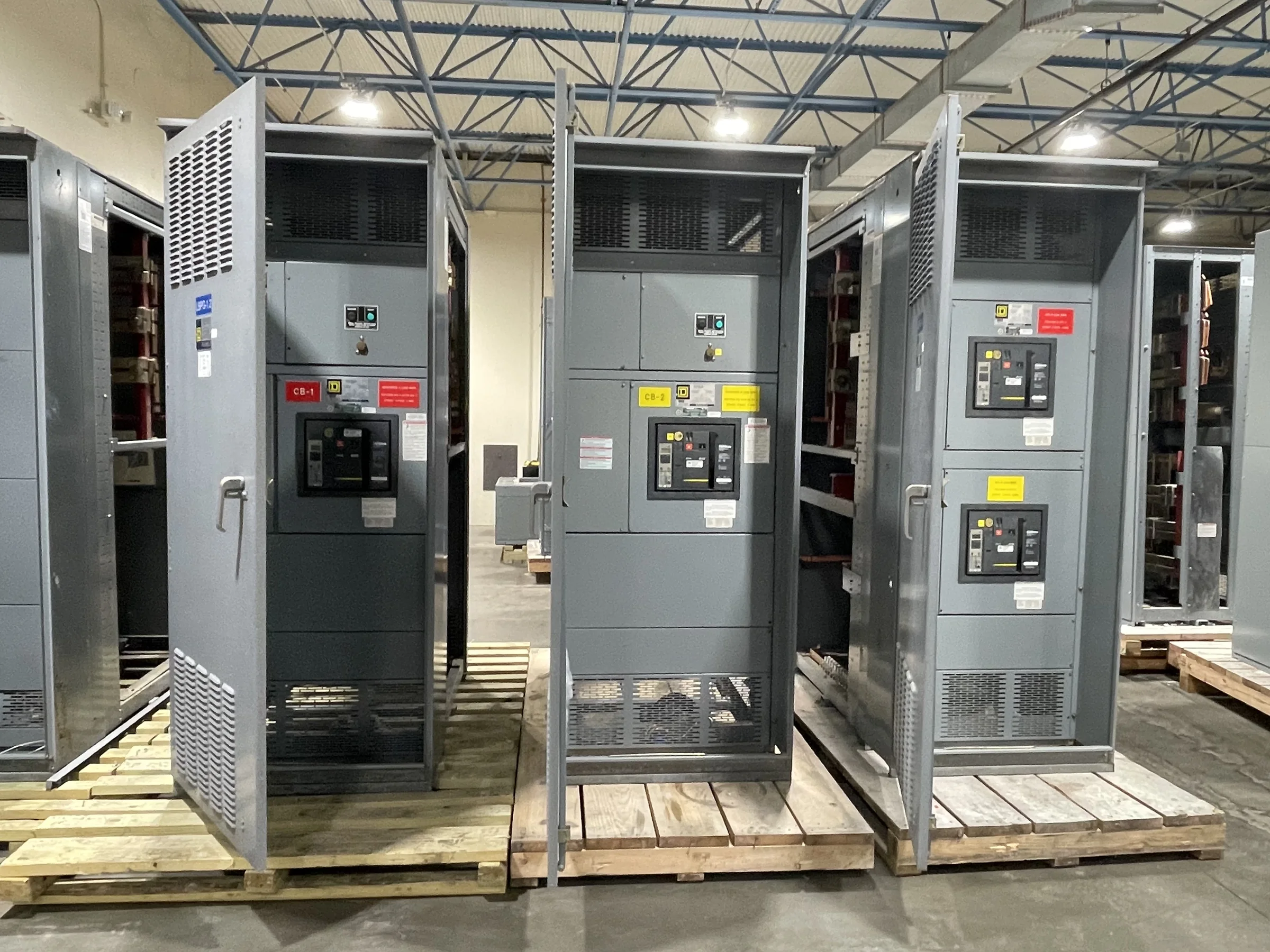
Translate Texas Site Conditions Into an Equipment Basis
Texas projects can span hot, humid Gulf Coast sites, dry inland facilities, and exposed industrial locations, so define the actual installation environment before requesting a switchgear quote. Document indoor or outdoor placement, ambient temperature range, elevation, moisture, dust, corrosive exposure, and any washdown or hazardous-area conditions. These details can affect enclosure construction, ventilation, materials, clearances, and equipment selection; the state name alone is not a design basis. Identify whether the assembly serves a new facility, an expansion, or replacement of existing gear, and provide the one-line diagram and available utility information. A complete basis of design helps the manufacturer identify open questions early, avoid assumptions that can complicate review, and develop equipment around the project rather than a generic application.
Set Electrical Ratings and System Interfaces Before Quoting
A useful specification identifies system voltage, phase, frequency, available fault current, grounding arrangement, and the required continuous-current ratings, while distinguishing confirmed values from preliminary assumptions. Include source and load details, transformer data when applicable, protective-device requirements, metering, control power, and any transfer or interlocking functions. Texas facilities may coordinate with an electric utility, an industrial owner, or a campus distribution system; the responsible parties and interface points should be clear in the documents. For low-voltage switchboard assemblies, UL 891 may be relevant when the design and evaluation scope apply, but it is not a blanket statement about every assembly or about medium- and high-voltage equipment. Confirm standards, ratings, labeling, and acceptance requirements for the specific project before procurement.


Make Customization and Component Choices Reviewable
Custom construction can accommodate project-specific arrangements, but each deviation from a standard layout needs enough information for engineering review. Provide the required section sequence, incoming and outgoing connection locations, cable or bus entry direction, device functions, instrument and control needs, and any future provisions. If the project specifies American components, identify preferred manufacturers or approved-equivalent rules in the procurement package; component choice must still fit the electrical duty, assembly design, and project requirements. Note coordination boundaries with transformers, generators, UPS equipment, or downstream panels, and state who supplies connecting conductors and controls. Clear schedules and marked-up drawings reduce avoidable clarification cycles and help the manufacturer return submittals that the engineer, contractor, and owner can evaluate against the same scope.
Plan Schedule Around Submittals, Approvals, and Dependencies
A short manufacturing lead time is useful only when the project is ready to release a stable, reviewable design. Build the procurement schedule around drawing preparation, engineer and owner review, comment resolution, approved submittals, component availability, and any required inspections or testing. Ask for a project-specific schedule and identify the dates that matter to construction, rather than treating an advertised interval as a guarantee. Long-lead devices, late utility data, changing fault-current values, and unresolved control interfaces can affect progress. Assign a decision-maker for technical questions and consolidate review comments where possible. If equipment is needed in phases, show the required sequence and distinguish essential first delivery from later sections. This lets the manufacturer discuss realistic timing while exposing dependencies before they become field delays.
Check the Route From Receiving Area to Final Location
Texas delivery planning should begin with the actual site, not merely the destination city. Confirm truck access, gate restrictions, unloading equipment, receiving hours, laydown space, weather exposure, and the path from the unloading point to the electrical room. Switchgear dimensions, shipping splits, weight, and handling provisions are project-specific, so review approved drawings and shipping information with the contractor before dispatch. Tight retrofit corridors, occupied plants, and remote industrial sites may require a delivery sequence coordinated with outages or construction access. State who receives the shipment, inspects it for transit damage, and protects equipment from moisture and contamination before installation. Nationwide shipping does not remove local coordination needs; a clear delivery plan helps prevent equipment from arriving before the site can safely receive and store it.
Use Project Documents to Protect Fit, Compliance, and Startup
Before release, align the one-line diagram, equipment schedule, specifications, physical layout, and connection details so ratings and interfaces do not conflict across documents. Identify the governing edition of applicable standards, required labels or inspections, submittal format, and any owner-specific acceptance criteria; confirm applicability with the project engineer and manufacturer. For replacement work, provide verified field dimensions, existing termination locations, access constraints, and the planned outage window, since apparent similarities do not establish electrical or mechanical compatibility. Include responsibilities for field wiring, protection settings, startup, and commissioning rather than assuming they are part of equipment supply. Keep approved revisions available to the installation team. This disciplined record gives procurement a defensible scope, helps engineering catch mismatches, and supports safer installation with required de-energized procedures followed.