Define What 1,000 Amps Means for the Project
A 1,000-amp designation identifies a current rating, not a complete equipment specification. Before requesting a quote, confirm whether the rating applies to a switchboard main, a switchgear lineup, a bus, or a particular section, and document the system voltage, phase, frequency, and available fault current. These details shape equipment selection and determine what must be evaluated for the installation. Also distinguish the service or distribution rating from the expected load: connected equipment, demand assumptions, and planned expansion can affect the required configuration. A one-line diagram and current load information give the manufacturer a sound basis for review. When drawings or site data are incomplete, identify those gaps early so assumptions can be resolved before design decisions become costly.
Choose Switchboard or Switchgear by Function
The terms switchboard and switchgear are not interchangeable shorthand for a 1,000-amp lineup. Selection depends on the distribution role, operating environment, protection scheme, maintainability goals, and applicable project requirements. A low-voltage switchboard assembly may be evaluated to UL 891 when that standard fits the design; this does not make UL 891 a blanket certification for all equipment or ratings. Medium-voltage applications involve different equipment and evaluation criteria. Ask the engineering team to identify the intended construction, service conditions, incoming and outgoing devices, metering, and coordination requirements. Clarifying these points helps procurement compare proposals on equivalent scope rather than headline amperage alone. Confirm applicable standards and labeling for the specific assembly and project before ordering.


Coordinate Protection, Loads, and Future Changes
Protection choices should reflect the actual electrical system, not simply the 1,000-amp label. Provide available fault-current data, upstream protective-device information, downstream feeder details, and any study requirements so the proposed arrangement can be reviewed against the project’s coordination and safety objectives. If selective coordination, arc-flash analysis, or specific protective-device features are required, state that in the inquiry and identify who will supply or approve the supporting study. Anticipated additions also deserve attention: spare spaces, feeder provisions, and future capacity may affect the lineup layout and connected distribution. Avoid treating spare capacity as a substitute for verified load calculations. Reviewing these items before drawings are finalized can prevent mismatched devices, unexpected scope changes, and difficult field modifications.
Resolve Dimensions, Access, and Existing-System Interfaces
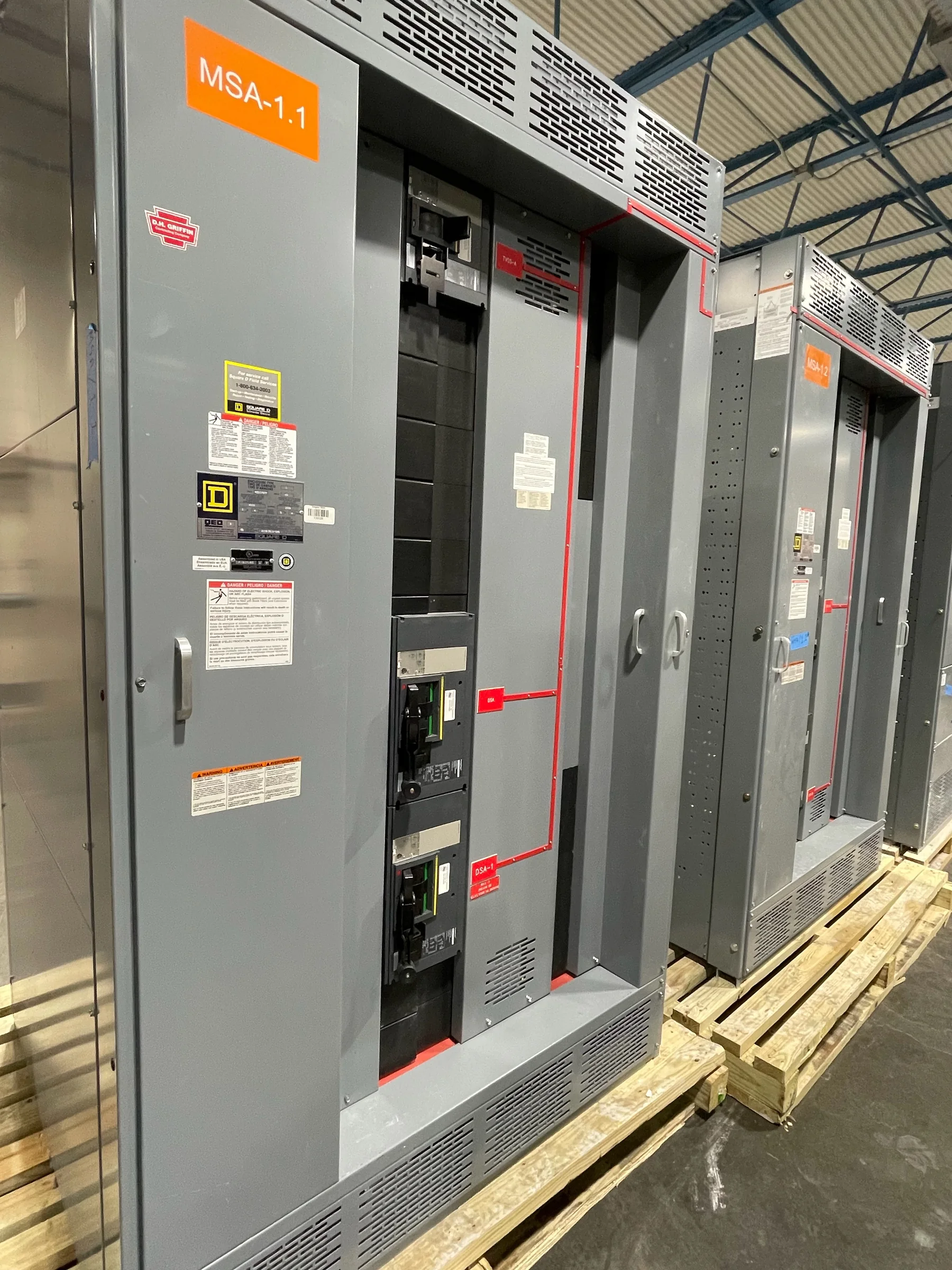
A suitable electrical rating does not guarantee that the equipment will fit or connect cleanly at the site. Document the available room, installation orientation, access routes, floor and anchorage conditions, conduit or cable entry, and working-clearance constraints. For replacement work, record existing lineup dimensions, bus arrangement, termination details, and the condition of connected conductors; compatibility must be confirmed rather than assumed from amperage or a manufacturer nameplate. Note overhead obstructions, door openings, lifting limitations, and whether equipment must pass through occupied or controlled areas. These conditions can influence section arrangement, shipping splits, and installation planning. Share photographs and verified field measurements with the quote request, then have the responsible project team confirm fit and interfaces before release.
Prepare a Quote Package That Supports Review
A focused procurement package reduces ambiguity between requested equipment and the eventual submittal. Include the one-line diagram, load and fault-current information, equipment schedule, relevant specifications, service conditions, preferred protective-device details, metering needs, and any required standards or labeling. Identify exclusions, accessories, control or communications interfaces, and whether the scope includes replacement or retrofit coordination. If information remains provisional, mark it clearly and identify who will resolve it. During submittal review, compare the proposed lineup against the approved design, not just the quote description; check ratings, device functions, dimensions, connections, and document revisions. Written resolution of deviations protects the project schedule and helps prevent late changes to feeders, room layouts, or protection coordination.
Plan Build Timing and Nationwide Delivery Together
Discuss schedule and delivery constraints while the design is being developed, because a quoted build window cannot be confirmed without the final scope and current availability. Identify the required on-site date, approval milestones, shipping destination, receiving hours, unloading resources, storage conditions, and any restrictions on truck access or delivery appointments. A 1,000-amp lineup may arrive in multiple sections, so confirm expected shipping configuration and the site’s ability to handle each piece before dispatch planning is complete. The manufacturer offers custom builds, American components, short lead times, and nationwide shipping; exact availability, timing, and delivery arrangements remain project-specific. Coordinate shipment with the installation plan, and ensure qualified personnel follow approved procedures with equipment de-energized before installation or service.