Confirm the Electrical Basis of Design
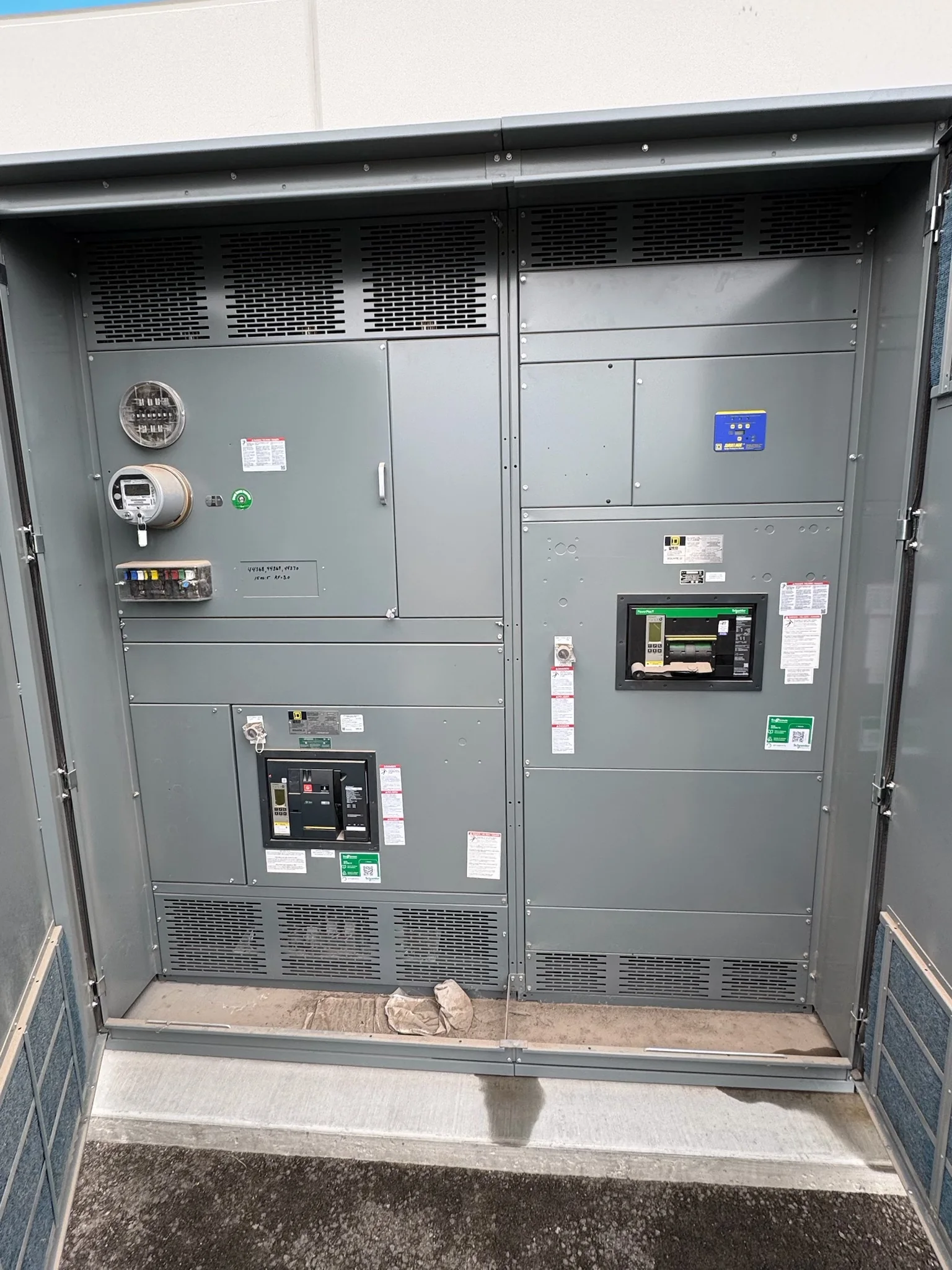
Start with the one-line diagram and the equipment’s role in the distribution system. Identify nominal voltage, phase and wire configuration, frequency, available fault current, and the source and load connections shown for the lineup. Confirm whether the scope is a low-voltage switchboard, medium-voltage switchgear, or another assembly; similar names do not mean the equipment follows the same standards or serves the same application. Record the required ampacity, interrupting or withstand duties, and protective-device functions as established by the project engineer. These values affect bus, enclosure, and component selection, so assumptions can lead to an unsuitable quote or redesign. Ask the design team to resolve conflicting drawings and studies before release. Ratings, standards, and product applicability must be confirmed for the specific project.
Define the Lineup and Its Interfaces
Document how the equipment must connect to the rest of the facility, not just what appears on its front elevation. Capture incoming and outgoing cable or bus connections, conductor entry direction, termination space, neutral and ground requirements, and any metering, communications, or control interfaces. Note the intended arrangement of sections, breakers, switches, and spare provisions, then compare it with the one-line diagram and room layout. A lineup that fits its electrical function may still conflict with cable routing, adjacent equipment, or maintenance access if these interfaces are left vague. Identify which components are furnished by others and who owns connection details. Provide the latest drawings and clearly mark unresolved items so engineering can identify coordination gaps before manufacturing documentation is approved.


Set Protection, Controls, and Documentation Requirements
List the protection and control functions the project requires, and distinguish mandatory features from preferences. Specify the intended protective-device types, trip or relay functions, metering points, control power, interlocks, alarms, and communication protocols where applicable. Provide coordination or arc-flash study results when available, while leaving final settings and equipment suitability to qualified project engineering. A device name alone may not communicate the needed function, frame, accessories, or interface, and an unclear control scope can create costly changes during review. State required submittals, including drawings, bills of material, wiring information, and applicable test or compliance documentation, without assuming every document is included by default. For low-voltage switchboard assemblies, discuss UL 891 evaluation and labeling for the specific assembly; it is not a blanket designation for medium- or high-voltage equipment.
Check the Site, Environment, and Access Route
Give the manufacturer the conditions the equipment must face in service and during installation. Identify indoor or outdoor placement, ambient temperature range, altitude, moisture, dust, corrosive exposure, seismic or wind criteria, and any enclosure or ingress requirements established by the project. These conditions can affect construction choices and the suitability of components, so avoid relying on a generic description such as “industrial duty.” Share room dimensions, clearances, floor and anchoring information, overhead obstructions, and the planned cable approach. Check the complete delivery path: door and corridor dimensions, elevator or crane capacity, turning space, unloading area, and restrictions on delivery hours. A lineup may be split into sections for handling, but shipping configuration and field assembly requirements must be confirmed for the actual design and site.
Align Submittals, Approvals, and Production Timing
Build the procurement schedule backward from the date the equipment must be available for installation, and include review, approval, release, and coordination milestones. Ask which inputs are needed to develop a project-specific proposal and which decisions must be settled before production documents can be finalized. Track submittal review cycles, comments from the engineer and owner, approved deviations, and the version of each drawing used for release. Late changes to breaker functions, cable entry, dimensions, or interfaces may affect engineering and manufacturing, so document them through the agreed change process rather than relying on informal emails. A U.S. manufacturer may offer custom builds and short lead times, but timing depends on the configured scope, component availability, approvals, and shipping plan. Request a current schedule and confirm it in writing; do not treat an estimated date as a guarantee.
Coordinate Quote, Delivery, and Final Handoffs
Make the request for quotation easy to evaluate by including the one-line diagram, specifications, equipment schedule, relevant studies, site conditions, and a list of requested options or exceptions. Ask the supplier to identify assumptions, exclusions, required customer-furnished items, and open engineering questions so the team can compare proposals on the same basis. Confirm the quoted scope, submittal expectations, shipping destination, unloading responsibility, packaging, and delivery coordination before placing an order. Nationwide shipping does not resolve site access or receiving constraints: name the receiving contact, delivery window, staging plan, and any limits on truck or crane access. Before installation, coordinate approved drawings, foundations, conduit and cable routes, and other trade interfaces. Energized work is not a substitute for planning; installation, inspection, testing, and energization must follow the project documents and be performed by qualified personnel under applicable procedures.