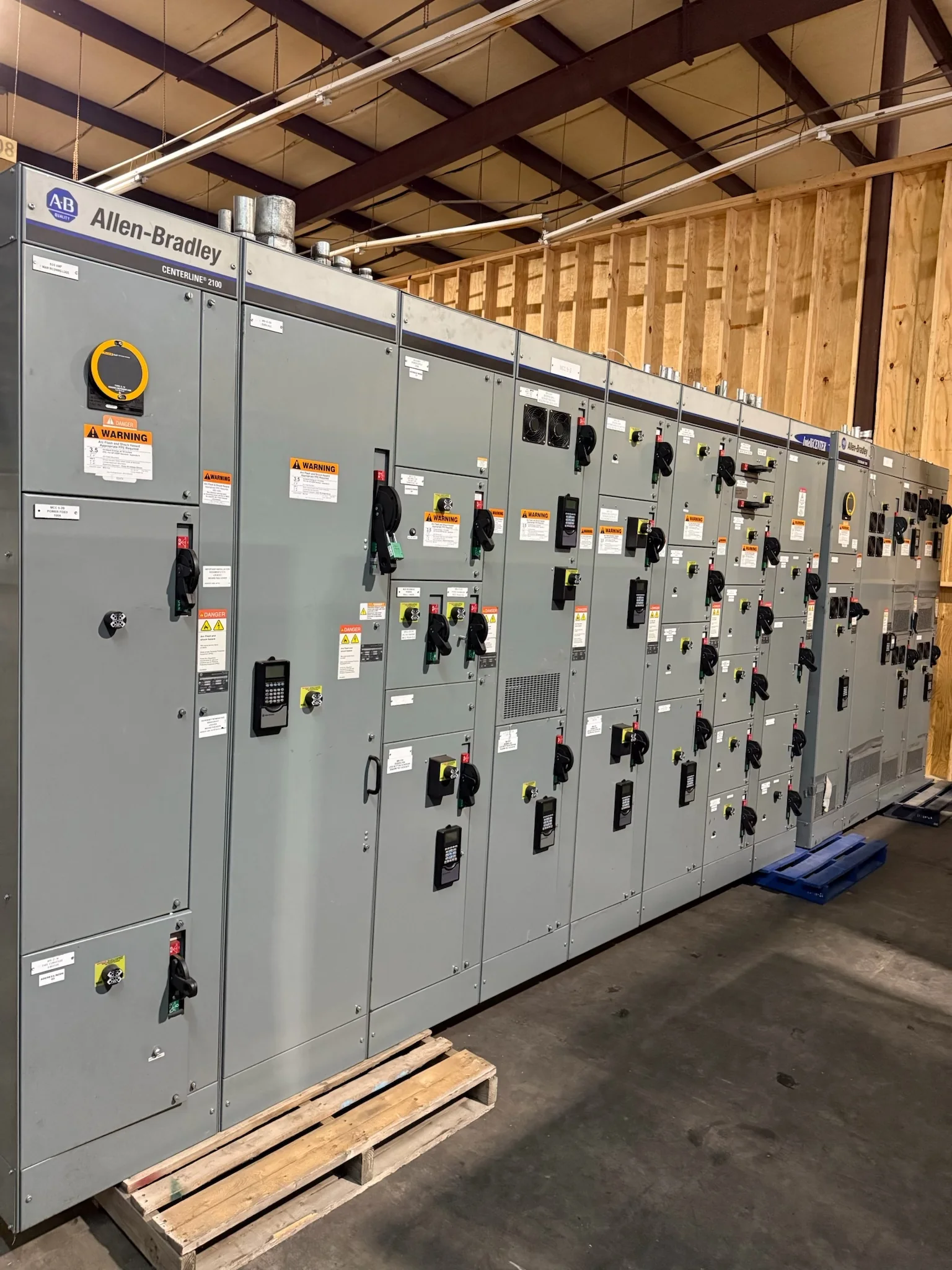
Define the Distribution Need Before Requesting a Quote
Start with the equipment’s role in the distribution system, not just a product name. Identify whether the project calls for a low-voltage switchboard, medium-voltage switchgear, a replacement section, or equipment coordinated with an existing lineup. Share the nominal system voltage, phase and wire configuration, available fault-current information, main and feeder requirements, and intended loads when known. These details shape bus ratings, protective devices, metering, and the physical arrangement; a mismatch can affect both safety coordination and installation scope. If values are preliminary, label them as such rather than treating assumptions as approved design data. Ask the project engineer to confirm system studies and applicable codes. Exact ratings, construction, standards, and product availability must be verified for the specific application.
Match Protection and Components to the System
A useful purchase specification explains how the assembly must operate with upstream and downstream equipment. Include available short-circuit current, protective-device types and settings where established, selective-coordination goals, grounding approach, and any arc-flash or coordination-study requirements. Confirm breaker frames, trip functions, control power, interlocks, metering, and communications interfaces against the one-line diagram and control narrative. These choices are not interchangeable: a breaker’s interrupting capability and trip characteristics must suit the system, while incompatible controls can complicate commissioning. Do not rely on a catalog description to establish suitability. Have qualified electrical professionals validate the design against the project studies, current codes, and equipment interfaces. Listing and evaluation requirements depend on the assembly and application; UL 891 applies to appropriately evaluated low-voltage switchboard assemblies, not universally to all switchgear.


Resolve Existing-Equipment Compatibility Early
For replacement or expansion work, document what is installed before selecting new equipment. Provide manufacturer and model information, nameplate photographs, lineup dimensions, compartment details, bus arrangement, cable-entry locations, and available drawings. Note which sections will remain in service and identify connections, controls, and protective devices that must interface with them. Similar-looking equipment can differ in bus geometry, cell construction, wiring, or operating mechanisms, so visual resemblance alone does not establish interchangeability. If records are incomplete, arrange a qualified field survey and treat measurements as items for engineering review. Early confirmation helps determine whether the project needs a standalone lineup, transition section, retrofit scope, or broader replacement. Compatibility, modification limits, and outage requirements are project-specific and should be settled before procurement commitments are made.
Plan the Enclosure Around the Actual Site
Room conditions and access affect what can be delivered and installed. Specify indoor or outdoor placement, ambient conditions, altitude, contamination or moisture concerns, enclosure needs, working clearances, and the direction from which conductors enter. Check doorways, corridors, floor openings, turning space, ceiling height, elevator limits, and the route from the unloading point to the equipment pad. A lineup that fits its electrical footprint may still be impossible to move through the building, while inadequate service clearance can delay inspection and maintenance. Confirm anchorage, seismic or other environmental requirements where applicable, and coordinate them with structural and electrical drawings. Share site plans and photographs early; final dimensions, environmental ratings, construction details, and installation clearances must be confirmed for the selected equipment and local project conditions.
Build the Submittal and Approval Record
A complete purchase package gives engineering, construction, and commissioning teams a common reference. Request drawings and data that address the approved one-line, arrangement, overall dimensions, connection points, device schedule, control wiring, metering, and interface requirements. Identify who reviews submittals and who has authority to approve deviations; a changed breaker, enclosure, or cable entry can affect coordination, space, or installation sequencing. Include applicable project specifications, required standards, inspection or evaluation expectations, and documentation needed for turnover. Track revisions so field crews do not build from superseded drawings. Before release for manufacture, close comments that affect ratings, connections, or physical layout. The manufacturer can build to project requirements, but the buyer and design team should confirm that the final submittal aligns with the contract documents and applicable approvals.
Coordinate Schedule, Shipping, and Site Receipt
Discuss schedule and delivery as project constraints, not as assumptions attached to a quote. Provide the required-on-site date, approval milestones, construction sequence, outage window, and any restrictions on receiving hours or staging space. Custom configurations and component availability can affect timing, so request a project-specific schedule and confirm what events control it; no delivery interval should be treated as guaranteed until agreed in writing. Nationwide shipping does not remove the need to plan unloading, rigging, storage, and protection from weather or construction debris. Establish who will inspect the shipment, record visible damage, verify package counts, and secure equipment before installation. Align delivery with a ready foundation, accessible route, qualified installation resources, and approved drawings. This coordination reduces storage risk and helps avoid costly conflicts at the site.