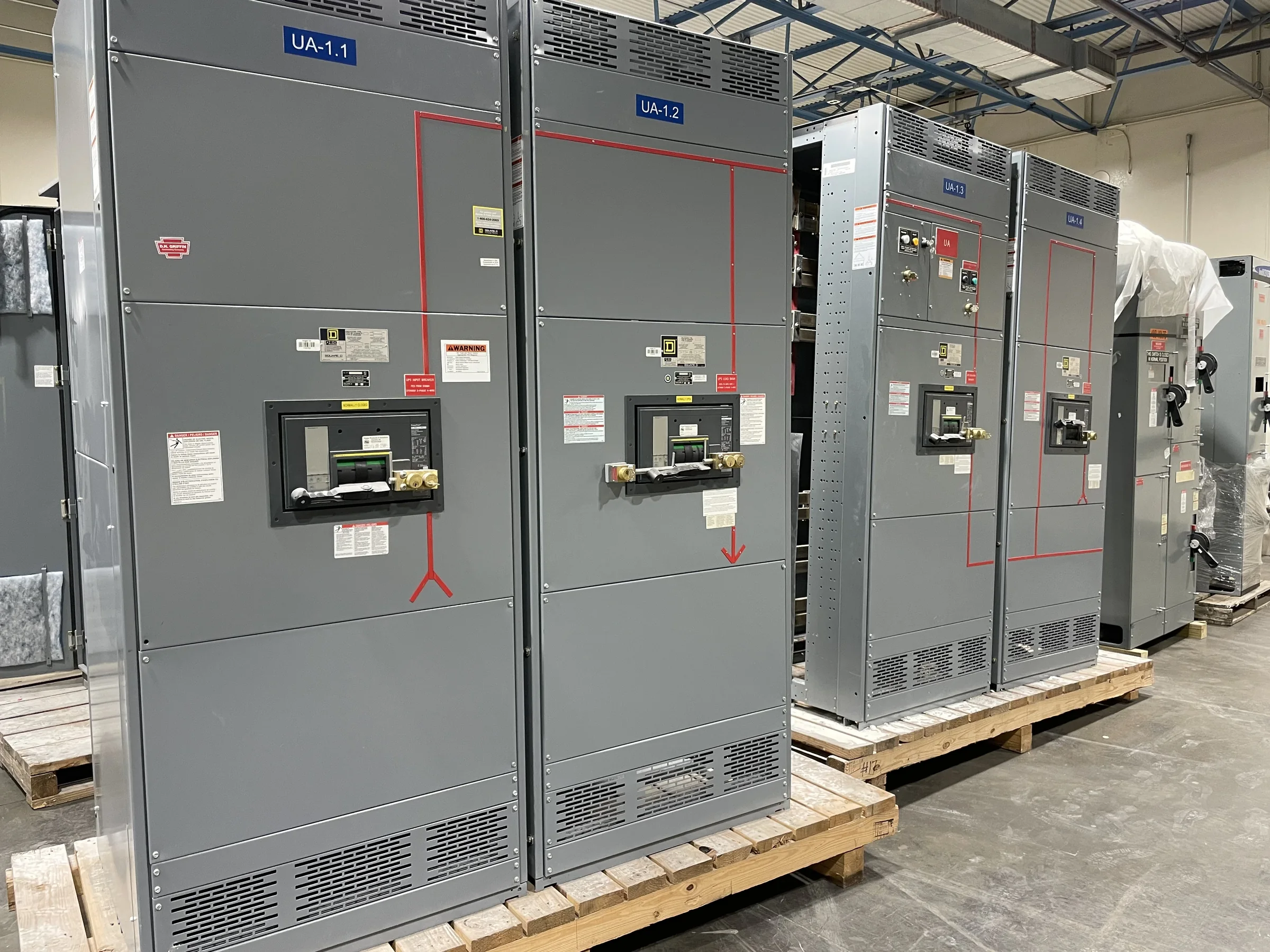
Start the Quote With the Electrical Basis of Design
A useful custom switchgear quote begins with the system the equipment must serve, not just a product name. Provide the one-line diagram, nominal voltage, phase and wire configuration, frequency, available fault current, grounding method, and the intended service or distribution function. Identify the source transformer or upstream device when known, because its characteristics affect short-circuit and coordination decisions. Include the requested continuous-current rating and any required withstand or interrupting ratings, but have the project engineer confirm their basis. These details help the manufacturer identify gaps before pricing and avoid comparing proposals built on different assumptions. If the design is still developing, label preliminary values clearly and ask the quote to state what remains subject to engineering review.
Define the Assembly, Protection, and Interfaces
Describe the required arrangement as well as the electrical ratings: main and feeder devices, bus configuration, metering, protective relays, control power, communications, and provisions for future circuits. Specify preferred manufacturers or approved-equal rules only where the project documents require them; component compatibility and availability must be confirmed for the actual design. Note whether the assembly connects to existing gear, a transformer, generator, or automatic transfer equipment, and include interface drawings if available. A mismatch in cable entry, control wiring, or protection philosophy can create costly revisions even when the headline voltage and amperage appear correct. For low-voltage switchboard work, identify any requested UL 891 evaluation or labeling in the procurement documents; applicability and final evaluation depend on the specific assembly, not on the term “custom switchgear.”


Share Drawings, Standards, and Approval Requirements
Send the current specification, one-line, floor plan, equipment schedule, and relevant coordination or arc-flash study with the request. Mark each document with its revision and identify which one governs if details conflict. State applicable project standards, inspection requirements, submittals, and required factory documentation, while leaving final compliance confirmation to the project team and manufacturer. Ask what drawings and data will be provided for review, and define who approves them and how revisions are handled. This matters because a quote based on an outdated feeder schedule or incomplete enclosure plan may omit needed features or require redesign later. If studies are pending, disclose that status and identify assumptions explicitly; do not treat preliminary fault-current or coordination values as approved design inputs.
Discuss Schedule Without Treating It as a Promise
A requested ship date is useful only when paired with the project milestones behind it. Share the date equipment is needed on site, the target installation window, drawing-approval deadlines, and any shutdown or commissioning constraints. Ask the manufacturer to identify the schedule basis, including dependencies such as approved submittals, finalized ratings, component selection, and release to production. Custom builds and American-sourced components may support the project’s sourcing goals, but specific component availability and production timing must be confirmed for the quoted configuration. Avoid treating an early planning estimate as a delivery guarantee. If the installation date is fixed, discuss whether phased delivery, alternate approved components, or a revised scope is worth evaluating, and record any accepted changes in the purchase documents.
Check the Site, Access, and Delivery Plan
Before release, provide the receiving location’s practical constraints: unloading equipment, dock or lift access, door and corridor dimensions, floor loading limits, staging space, and the route to the electrical room. Confirm the planned shipping configuration and package dimensions with the manufacturer rather than assuming an assembly will pass through the available opening. Nationwide shipping can serve projects across the United States, but freight arrangements, site access, and delivery dates are specific to the order. Identify whether the site can receive a full truck, requires appointment scheduling, or has restrictions on delivery hours. This coordination matters because a shipment that reaches the region on time can still miss installation if the carrier cannot access the site or the equipment cannot be moved safely to its final location.
Compare Proposals and Prepare for Installation
Review each quote against the same scope matrix: ratings, devices, accessories, enclosure details, documentation, exclusions, shipping assumptions, and any stated schedule conditions. Ask the manufacturer to list deviations and unresolved inputs so the engineering and procurement teams can distinguish a deliberate alternative from an omission. Confirm who owns field verification, utility coordination, protection-setting decisions, and any required integration with existing equipment. Before ordering, check that drawings reflect actual room conditions and cable approach, and establish how approved changes affect price and timing. Installation planning should also identify the responsible qualified personnel, outage approvals, and commissioning requirements; electrical work must be performed under the applicable safety procedures, with equipment de-energized when required. A complete quote supports a controlled handoff from design and purchasing to site execution.