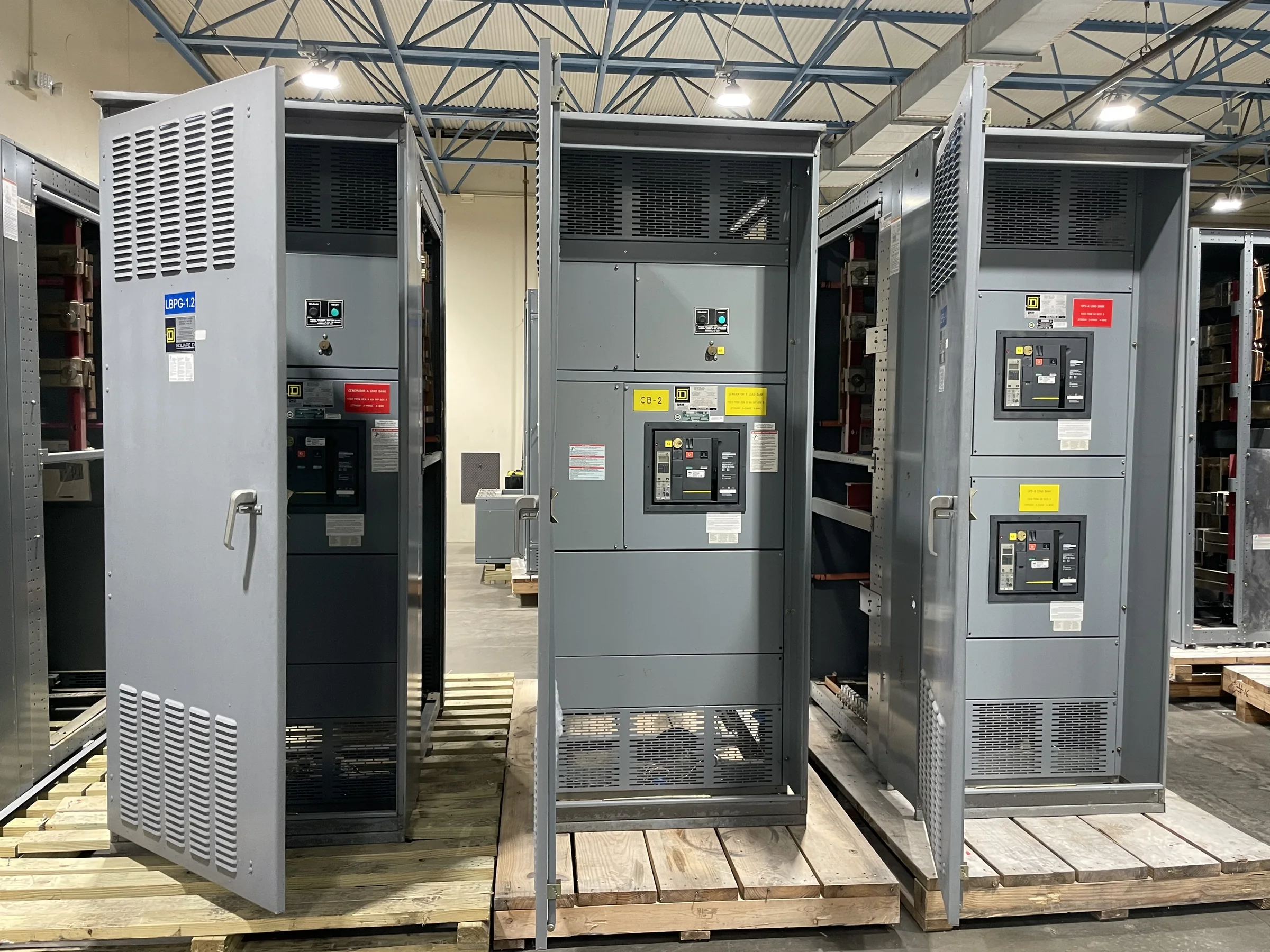
Define the Electrical Scope Before Requesting a Quote
A custom switchgear request is easier to evaluate when it starts with the electrical duty, not a preferred product label. Identify the source of power, system voltage, phase, frequency, available fault current if known, and the loads the equipment must serve. Explain whether the project is new construction, a capacity addition, or replacement of existing distribution equipment. Those distinctions affect the questions an engineer must resolve, including service arrangement, protective-device coordination, metering, and connection points. In The Woodlands, a project may serve an office campus, healthcare facility, commercial property, or industrial operation, each with different continuity and load priorities. Share the one-line diagram, load information, and applicable utility requirements when available. Final ratings and configuration depend on engineering review and site conditions.
Choose an Assembly That Fits the Application
Switchboard and switchgear terminology can cover equipment with materially different construction and application requirements, so confirm the intended assembly and its role in the distribution system. For low-voltage projects, UL 891 applies to appropriately evaluated switchboard assemblies; it is not a blanket certification for medium- or high-voltage equipment. Specify the required service conditions, bus arrangement, incoming and outgoing devices, neutral and grounding needs, metering, and control features as project requirements rather than assumptions. A replacement must also be checked against the existing system, including conductor entry, available space, and downstream coordination. A U.S. manufacturer can develop a custom build around reviewed project specifications, but final compliance, ratings, and any applicable listing must be confirmed for the particular assembly. This avoids comparing proposals that do not provide equivalent electrical functions.


Resolve Existing-System Compatibility Early
Replacement work often turns on details that are missing from an old equipment schedule. Verify the existing gear’s manufacturer and model where available, dimensions, bus and cable locations, enclosure arrangement, device types, and connection requirements. Photographs and field measurements can help, but they should supplement—not replace—qualified review of drawings and site conditions. Confirm whether the new assembly must connect to existing feeders, controls, metering, or adjacent sections, and identify any equipment that will remain in service. In an occupied Woodlands facility, a mismatch in footprint or cable approach can complicate the installation sequence and extend an outage. Document known discrepancies between records and field observations before ordering. Compatibility cannot be presumed from voltage or appearance alone; the proposed interface and installation plan require project-specific verification.
Plan Around Timing, Approvals, and Submittals
Short lead times may be available for custom builds, but schedule should be discussed against the actual scope rather than treated as a guarantee. Long-lead components, engineering clarifications, drawing approval, and revisions can all affect the production sequence. Ask what information is needed to start design review and when project drawings, bills of material, and other submittals will be available for review. Assign a responsible reviewer and return consolidated comments so conflicting markups do not trigger avoidable redesign. Procurement teams should also identify required documentation, labeling conventions, testing records, and any owner or consultant approval gates before release. For a phased project in The Woodlands, coordinate equipment decisions with construction milestones and planned outages. Confirm current availability and delivery expectations directly for the specific configuration and approved scope.
Check the Installation Route and Site Constraints
A finished assembly must reach its final position as well as satisfy the electrical design. Before confirming a configuration, review equipment-room dimensions, doorway and corridor clearances, turning space, floor loading, lifting access, and the route from the receiving area. Note whether sections must be moved separately and reassembled, and confirm that the proposed approach is acceptable to the project’s qualified installers. The Woodlands’ mix of developed commercial properties and larger campuses can mean different access controls, delivery windows, staging limits, and coordination with building operations. Provide the manufacturer and carrier with accurate site instructions, a receiving contact, and any restrictions established by the owner or general contractor. Nationwide shipping can be arranged, but unloading, rigging, indoor movement, and final placement must be assigned and coordinated for the particular site.
Build a Complete Purchase and Turnover Record
A clear purchase package reduces uncertainty from quotation through commissioning. Include the approved one-line diagram, equipment schedule, electrical ratings required by the design, enclosure and environmental requirements, device and accessory selections, connection details, and applicable project standards. Separate mandatory requirements from preferences, and identify open items rather than allowing bidders to infer them. Compare quotations for included sections, options, exclusions, submittals, shipping scope, and assumptions—not only the initial price. Before release, confirm that the approved drawings match the intended installation and that the responsible engineer has resolved coordination and interface questions. At turnover, retain final drawings, device information, approved submittals, and available manufacturer documentation with facility records. Exact design, compatibility, standards, listing applicability, price, and availability are project-specific; verify each against the final scope before purchase.