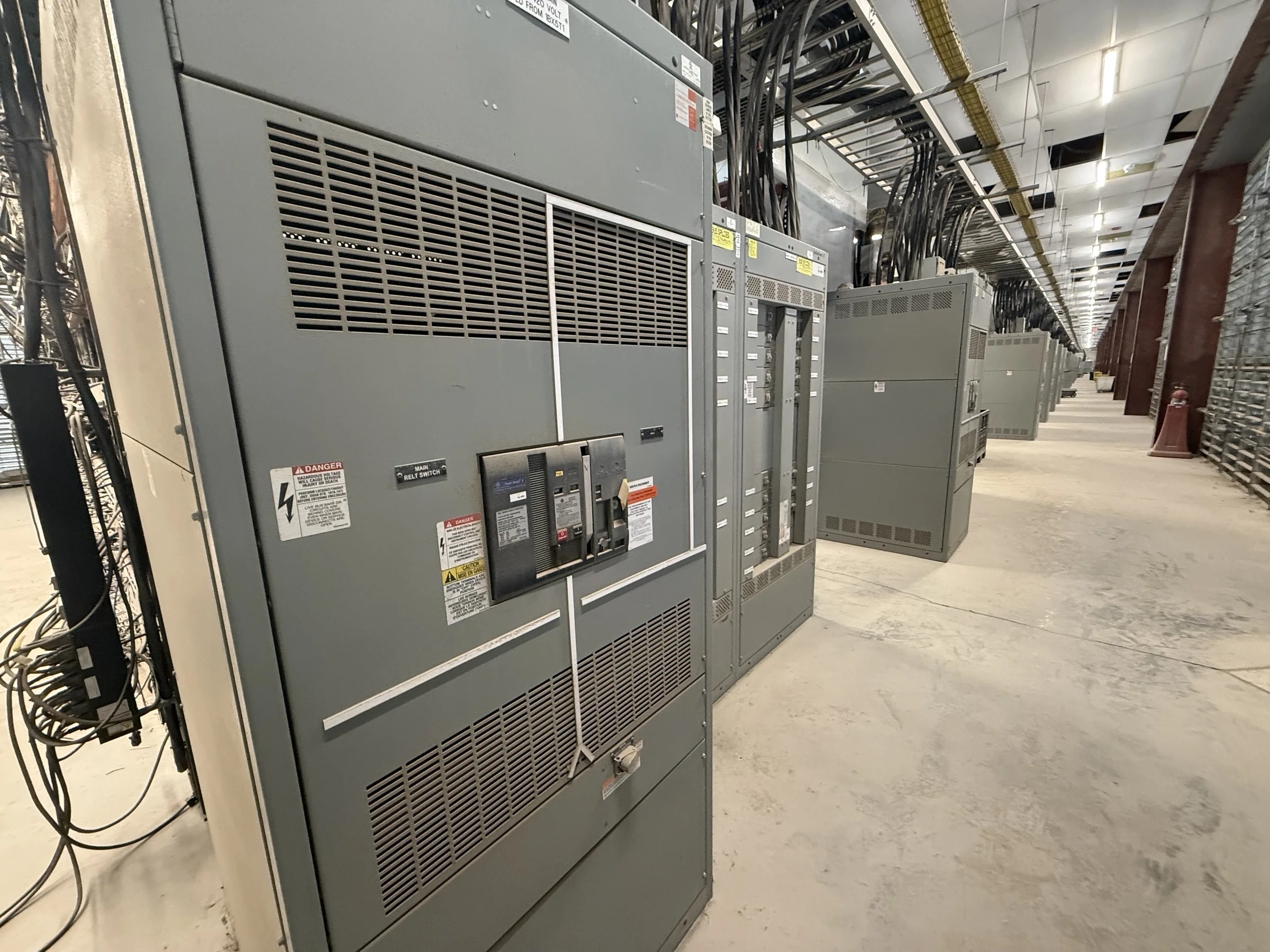
Define the Deer Park Distribution Scope
Start with the electrical load and operating plan, not a presumed switchboard size. For a Deer Park facility, document the source configuration, voltage, phase, frequency, available fault current, connected and demand loads, and any planned expansion. Identify whether the equipment will serve process loads, building systems, or both; motor starting, non-linear loads, and critical circuits can influence bus and protective-device requirements. Confirm the required service entrance or distribution function, incoming and outgoing arrangements, and metering needs with the project engineer and serving utility where applicable. These details help the manufacturer develop a practical, project-specific design instead of relying on a generic lineup. Final ratings, device selection, and code or utility requirements must be confirmed for the actual installation.
Coordinate Switchboard Construction With the Site
A switchboard that meets the one-line diagram can still be difficult to install if the room and access route are not checked early. Verify the equipment-room dimensions, working clearances, door swing, cable entry direction, floor conditions, and route from unloading point to final position. In Deer Park, industrial sites may have controlled gates, operating process areas, truck restrictions, or limited delivery windows; confirm these constraints with the facility before scheduling freight. Share room plans, elevations, cable information, and any known environmental exposure with the manufacturer so enclosure and section arrangements can be reviewed against the site conditions. Do not assume a particular enclosure, lineup split, or installation method will fit without project review. Resolve access and placement questions before release for production.


Specify Protection, Coordination, and Future Changes
Protective devices should be selected around the system study and the consequences of an outage, rather than chosen only by ampere rating. Provide available fault-current data, upstream and downstream device information, and the required selective-coordination or arc-energy objectives where the project specifies them. An engineer can use this information to assess interrupting ratings, trip functions, and coordination across the distribution system. Also identify spare spaces, future feeder plans, and whether additions must be possible without replacing the main assembly. These choices affect section layout and may influence cost, footprint, and procurement timing. The manufacturer needs confirmed project criteria to develop the equipment; final protection settings and system coordination remain subject to engineering review and the applicable project requirements.
Prepare Drawings and Submittal Information
A useful quotation and submittal package begins with current documents: the one-line diagram, load schedule, equipment schedule, physical arrangement, and project specifications. Include required incoming and feeder devices, cable or bus connections, metering, control interfaces, and the intended termination details. Call out deviations or unresolved items explicitly instead of leaving assumptions buried in general notes. For a low-voltage switchboard, UL 891 may be relevant when the assembly is appropriately evaluated to that standard; it does not establish a blanket listing for every product or for medium- or high-voltage equipment. Confirm the requested evaluation and labeling for the specific assembly. Reviewing these details together gives the engineering and procurement teams a clearer basis for comparing scope, resolving exceptions, and approving drawings before fabrication.
Plan Procurement and Production Timing
Request pricing with enough information to distinguish the equipment scope from options, engineering, freight, and site responsibilities. State the required delivery window, drawing-review milestones, approval path, and any dates tied to shutdowns or construction sequencing. Custom builds and American components are available offerings, but exact configuration, component selection, and availability depend on the project; do not treat an unconfirmed schedule as a delivery guarantee. Ask which information is still needed to firm up the quotation and production plan, and assign owners for open technical decisions. Late changes to ratings, devices, or layout can require renewed engineering review and affect the schedule. A clear record of approved documents, exceptions, and revision dates helps purchasing and engineering track the same scope.
Coordinate Freight, Receiving, and Installation Readiness
Before dispatch, align the shipment plan with the Deer Park site's receiving rules and construction sequence. Confirm the delivery address through the project team, gate and check-in procedures, unloading equipment, staging area, and who can inspect and accept the shipment. Nationwide shipping is offered, but freight arrangements and timing should be confirmed for the actual destination and order. Check whether the route or building access imposes limits on section dimensions or handling, and coordinate any required site protection or storage conditions with the responsible contractor. On arrival, compare the shipment against its packing information and report visible damage or discrepancies through the agreed process. Installation planning should include qualified personnel, approved drawings, and required de-energized work practices; energization follows the project’s inspection and commissioning procedures.