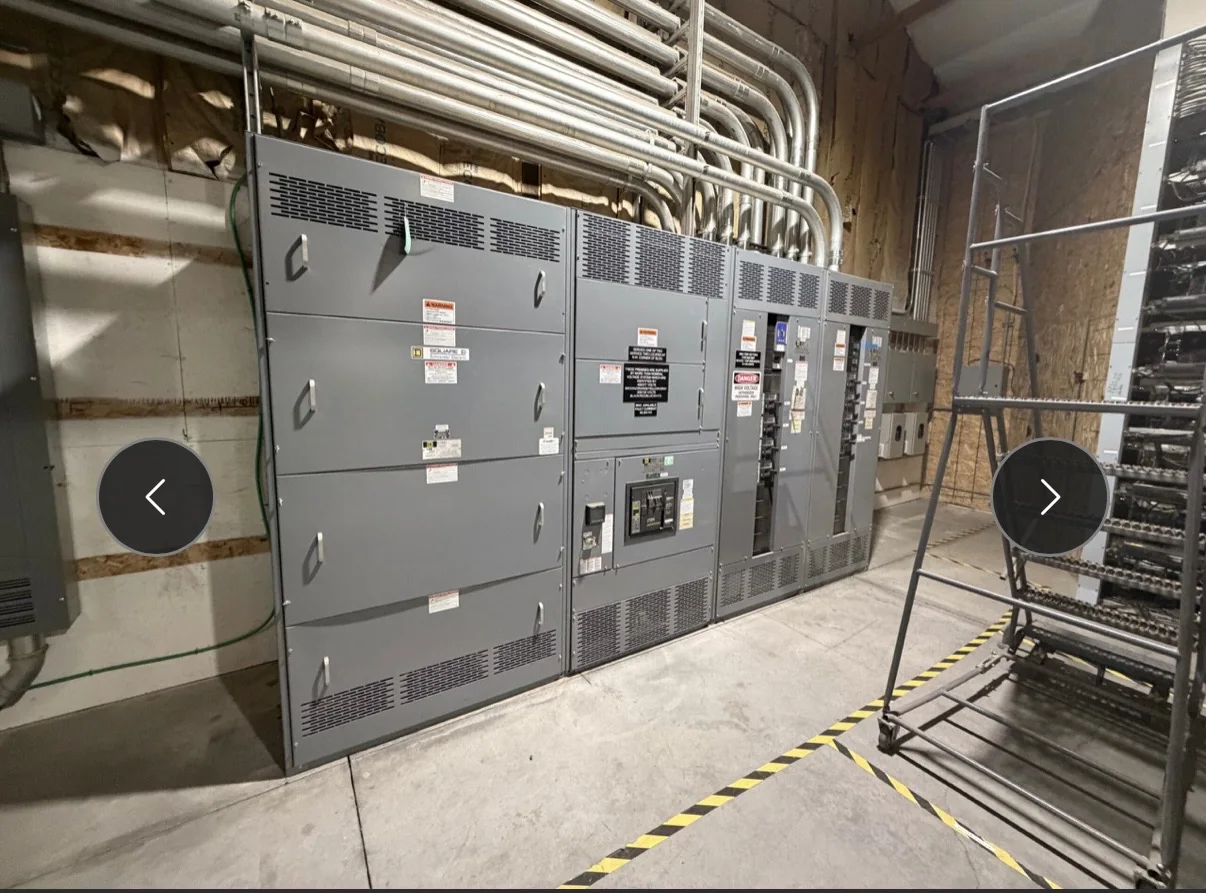
Define the Distribution Scope Before Requesting a Quote
For a Spring, Texas project, start by documenting what the switchgear must serve and how it connects to the existing distribution system. Identify the source, downstream loads, available fault-current information, operating voltage, required ampacity, and whether the work involves new construction, expansion, or replacement. These details help the manufacturer assess the appropriate equipment arrangement without assuming that a familiar lineup will fit every application. Include one-line diagrams, equipment schedules, and known coordination or protection requirements when available. If utility data or existing records are incomplete, flag the uncertainty rather than treating an estimate as final. A defined scope supports a more useful quote, exposes missing engineering inputs early, and reduces the risk of ordering equipment that cannot be coordinated with the facility.
Choose an Assembly Around the Application
Equipment selection depends on system conditions, the loads being served, and the installation environment—not just a nominal voltage or a preferred product name. Discuss whether the project calls for a low-voltage switchboard or medium-voltage equipment, the required sections and devices, incoming and feeder arrangements, and the intended method of operation. A low-voltage assembly may be evaluated to UL 891 when that standard applies and the specific assembly is appropriately evaluated; it should not be assumed to cover medium- or high-voltage gear. Confirm the required ratings, enclosure, accessibility, and any project standards with the responsible engineer. For Spring-area facilities, consider heat, humidity, dust, and ventilation at the actual equipment location, since enclosure and room conditions affect equipment suitability and maintenance.


Resolve Existing-System Compatibility for Replacement Work
Replacing switchgear in an operating facility calls for careful comparison between the existing equipment and the proposed replacement. Record the original manufacturer and model where known, nameplate data, bus configuration, conductor entry points, protective-device information, and the physical dimensions of the lineup and room. Photos and measured clearances can help identify conflicts, but they do not replace field verification or engineering review. Check how the new equipment will connect to upstream and downstream systems, including cable routing, grounding, control wiring, and protection coordination. A mismatch can require changes to conductors, supports, or adjacent equipment, adding scope and outage planning. Treat retrofit compatibility as a project-specific question; do not assume a new assembly is a direct mechanical or electrical substitute.
Plan Schedule Around Submittals and Site Readiness
A short manufacturing lead time is useful only when engineering decisions, approvals, and site preparation keep pace with production. Establish who will review drawings, return comments, confirm device selections, and approve any deviations, then account for those steps in the project schedule. Ask the manufacturer to discuss current timing for the specified build rather than relying on a general expectation. In parallel, verify that the electrical room, housekeeping pads, access route, and receiving area will be ready when equipment arrives. Confirm clearances, door openings, floor loading, and any rigging constraints with the project team. If utility coordination or a planned outage is required, assign responsibility and identify the approval path early. These checks help prevent completed equipment from waiting at the site while prerequisites remain unresolved.
Coordinate Freight and Receiving in the Spring Area
Delivery to a Spring, Texas jobsite needs coordination with the actual route, unloading plan, and site rules. Share the receiving address, delivery hours, contact person, access restrictions, and unloading capabilities before shipment planning is finalized. Construction traffic, gated industrial properties, limited turning space, or active facility operations may affect where a truck can safely stop; verify conditions with the site rather than assuming standard access. Decide who provides lifting equipment and personnel, how the lineup will move from the unloading point to the electrical room, and where it can be protected if installation is delayed. Nationwide shipping supports projects beyond the manufacturer’s location, but freight arrangements and delivery dates remain specific to the order and route. Clear receiving instructions help limit handling damage, missed deliveries, and avoidable schedule disruption.
Review Documents, Compliance, and Final Requirements
Before release for manufacture, align the quote, approved drawings, and project specifications so each party is working from the same equipment scope. Review the one-line and arrangement drawings, nameplate information, device schedules, connection details, and any requested submittal documents against the design basis. Identify required standards and evaluation or labeling expectations in the specification; confirm their applicability for the particular assembly instead of applying a general claim to every type of switchgear. American components may be available, but component origin, substitutions, and acceptance criteria should be confirmed for the specific build. Also clarify what documentation will accompany the order and what testing or inspection is included, without assuming unlisted services. Resolving these points before approval gives procurement, engineering, and facility teams a clearer basis for acceptance and installation.