Define the Houston Facility’s Distribution Requirements
Start with the electrical conditions at the point where the new low-voltage switchgear will connect: available voltage, system configuration, frequency, grounding method, and calculated fault current. Confirm these against current one-line diagrams and utility or upstream equipment information rather than relying on an old equipment label. The assembly’s bus rating, withstand capability, protective-device arrangement, and metering provisions must be selected for the actual system and load profile. Houston-area facilities vary widely, from process plants and warehouses to campuses and commercial buildings, so the application—not the city name—determines the design. Record normal and emergency sources, major motor loads, planned expansion, and continuity needs. Early agreement on these inputs helps prevent a quoted configuration that later requires engineering changes or cannot coordinate with existing distribution.
Resolve Interfaces With Existing Electrical Equipment
A replacement switchboard must fit electrically and physically into the distribution system it serves. Compare the proposed lineup with the existing one-line diagram, feeder schedules, protective-device data, cable terminations, and available room dimensions. For an expansion, establish how new sections will connect to existing bus and whether the existing assembly’s condition and documentation support the intended interface. Short-circuit and coordination studies may affect breaker selection and settings; those values should be confirmed by qualified project engineers, not assumed from a similar installation. Specify the intended neutral and ground arrangement, incoming connection method, and control or communication interfaces where applicable. These checks matter because a lineup can meet its own ratings yet still conflict with upstream protection, downstream loads, or existing connection geometry.


Account for Houston Heat, Humidity, and Site Conditions
Houston’s hot, humid climate makes the installation environment an important design input, particularly where equipment rooms have limited cooling, doors open frequently, or moisture control is uncertain. Provide the manufacturer with expected ambient conditions, indoor or outdoor location, ventilation details, enclosure requirements, and any exposure to dust, washdown, corrosive agents, or process contaminants. These factors can influence enclosure construction, finish, component selection, and temperature-rise considerations; suitability must be evaluated for the actual installation rather than inferred from a general climate description. Also identify flood exposure and the elevation of the electrical room when relevant to the site plan. Clear environmental requirements help the project team assess equipment protection and room readiness before release, reducing the chance that delivered gear arrives without a suitable place to operate.
Coordinate Dimensions, Access, and Delivery Before Release
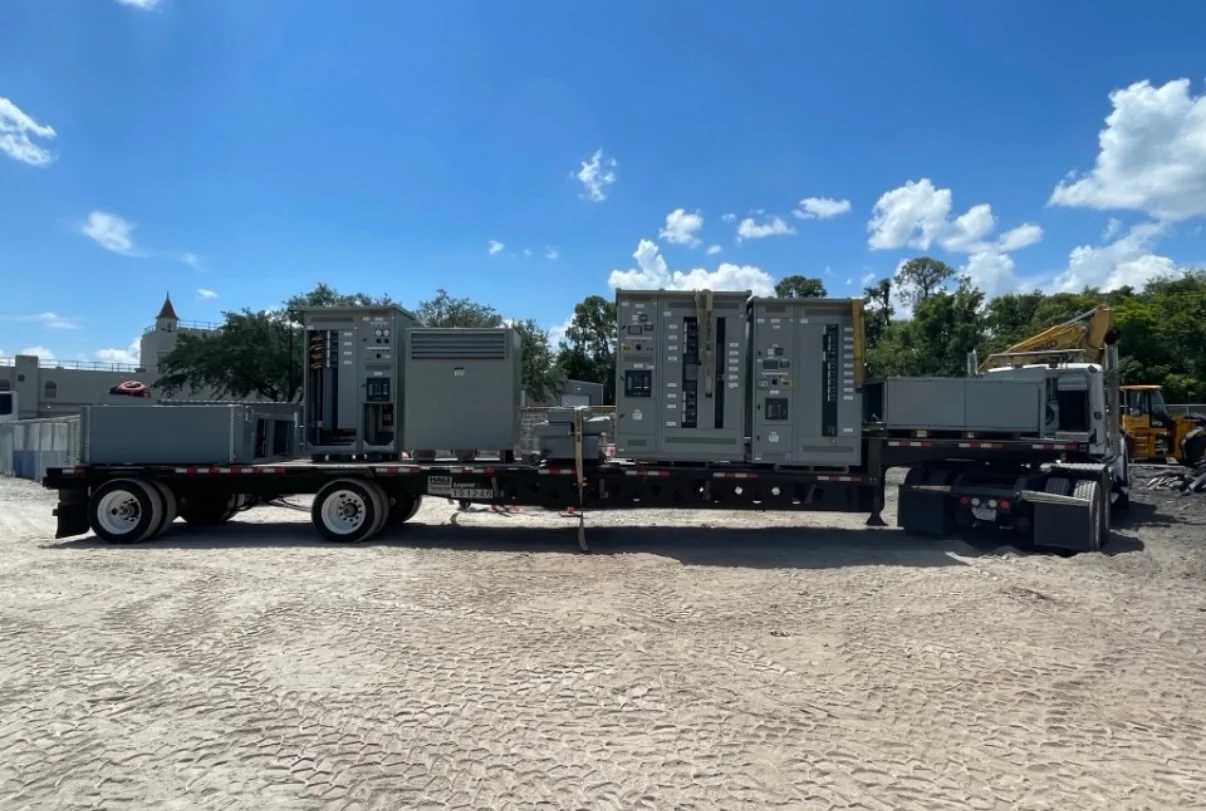
Switchgear delivery is a site-planning task as much as a freight booking. Confirm the approved lineup dimensions, section weights, shipping splits, doorway and corridor clearances, turning space, floor loading, and the route from the receiving point to the electrical room. Houston projects may involve congested industrial sites, shared loading areas, security procedures, or delivery windows that must be coordinated with operations. Identify who will receive the shipment, what unloading equipment is available, and whether a crane, forklift, staging area, or restricted-access appointment is required; do not assume these services are included. Shipping configuration and handling limits are project-specific. Resolving these details before manufacturing release helps align the equipment layout with the building and avoids costly storage, rehandling, or access problems when the carrier reaches the site.
Build the Quote Around Complete Technical Documents
A useful request for quotation includes more than a preferred ampere rating. Send the current one-line diagram, load information, fault-current data, device and metering preferences, control requirements, room layout, cable-entry direction, and the applicable project specifications. Mark open items as unresolved instead of presenting estimates as confirmed design values. Ask the U.S. manufacturer to identify assumptions, exclusions, required customer inputs, and any proposed deviations so the engineering team can compare offers on an equivalent basis. For low-voltage switchboard assemblies, UL 891 may be relevant when the specific assembly is appropriately evaluated; it should not be treated as a blanket statement about every product or installation. Complete documents make technical review more efficient and help procurement distinguish a comparable proposal from one based on unspoken assumptions.
Plan Schedule, Review, and Commissioning Handoffs
Discuss timing at the outset, but tie schedule expectations to the approved scope, engineering review, component availability, and required submittal approvals; no delivery period should be assumed until confirmed for the project. Establish who reviews drawings, how comments will be resolved, and which documents are needed before fabrication, such as approved submittals, final connection details, and confirmed site dimensions. American components and custom builds may be options to address project requirements, while actual configuration and availability remain specific to the order. Before shipment, coordinate receiving and storage conditions with the installation team. At the site, qualified personnel should follow the project’s safety procedures, verify equipment and connections, and complete required testing and commissioning with equipment de-energized wherever work conditions permit. A clear handoff protects schedule, personnel, and system readiness.