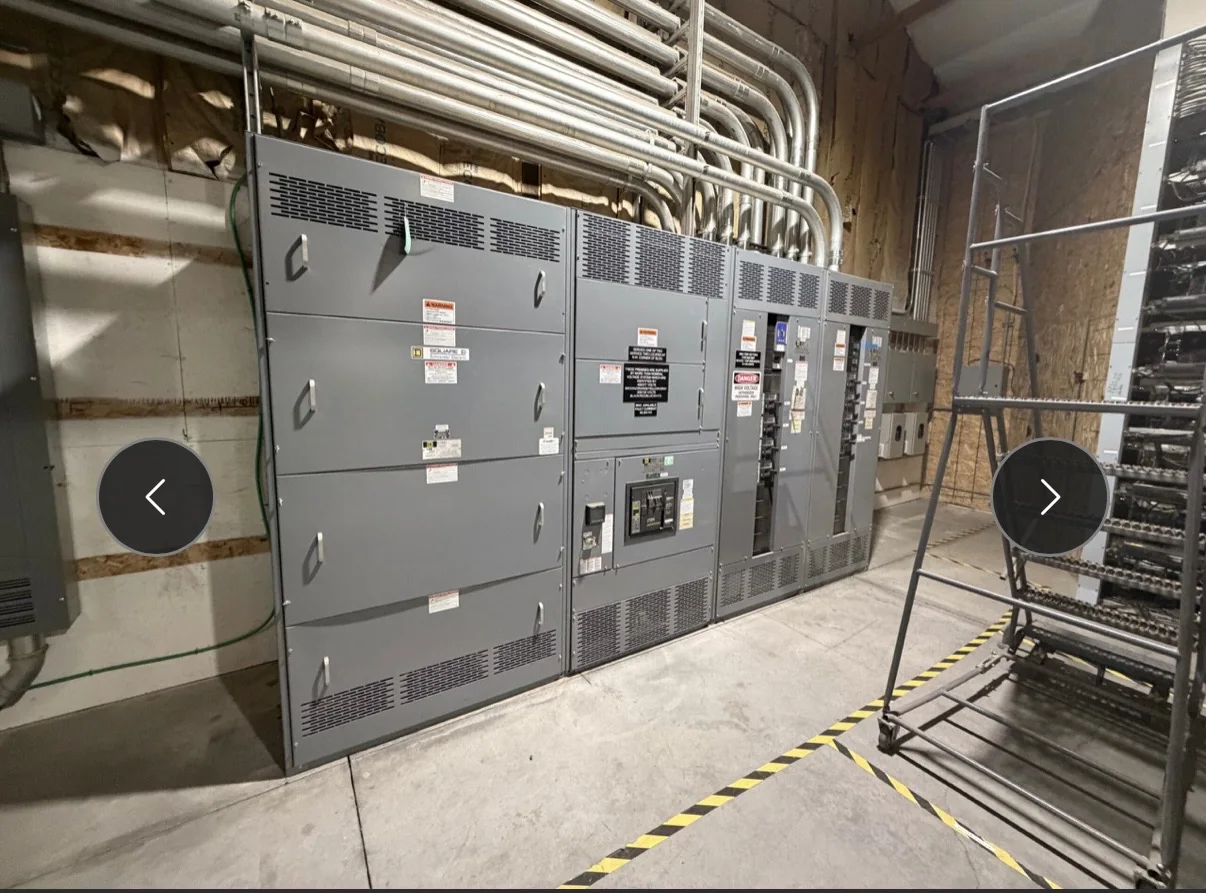
Define the La Porte System Before Selecting Gear
For a La Porte facility, start with the electrical one-line diagram and the equipment’s role in the distribution system, rather than choosing a lineup by voltage alone. Identify the nominal system voltage, available fault current, grounding method, source configuration, feeder count, load characteristics, and whether the gear will serve a utility interface, plant substation, or downstream process. These details influence insulation levels, interrupting and withstand requirements, bus arrangement, protective-device selection, and the interfaces required with transformers or existing equipment. Share the latest utility data and upstream protection information when requesting a proposal; assumptions can conceal coordination or duty conflicts. A U.S. manufacturer can build new medium-voltage switchgear around defined project requirements, but ratings, construction, and suitability must be confirmed for the specific application.
Match the Construction to the Site Environment
La Porte’s industrial setting makes the installation environment an important part of the specification, especially where switchgear is near process areas, outdoor equipment, or locations exposed to moisture, dust, corrosive substances, or temperature variation. Describe the proposed room or enclosure, ventilation and cooling provisions, expected ambient conditions, access restrictions, and any known environmental exposure. Also identify whether the lineup will be installed indoors or outdoors and what maintenance access must remain available. These conditions can affect enclosure construction, space planning, materials, and equipment selection; they should not be reduced to a generic “industrial duty” note. Confirm project-specific environmental requirements with the design team and manufacturer before release. Clear criteria help prevent late changes when the delivered equipment must fit an actual operating space.


Coordinate Protection, Controls, and Existing Equipment
Protection and control requirements deserve early attention when new switchgear must connect to an operating La Porte plant. Provide available relay settings, trip and close requirements, control power details, metering needs, communications protocols, and the intended interface with plant or supervisory systems. For replacement work, document the existing lineup’s manufacturer and model where known, breaker and bus data, cable termination arrangement, dimensions, and field conditions. Similar-looking equipment is not evidence of interchangeability: electrical ratings, mechanical interfaces, control wiring, and protection behavior all require review. A mismatch can affect selective coordination, safe operation, commissioning, or outage duration. The proposal should identify assumptions and exclusions for engineering review, while the responsible project team verifies compatibility against approved drawings and the installed system before procurement and construction.
Plan the Room, Cable Entry, and Installation Route
A technically suitable lineup can still create costly site problems if the room and delivery path are overlooked. Before finalizing the La Porte project layout, check available floor space, clearances required by the design and applicable project criteria, ceiling height, cable trench or conduit locations, termination access, and working space around adjoining equipment. Confirm door and corridor dimensions, turning space, floor loading, rigging limits, and whether the lineup must be moved in sections. Cable entry direction and bending room matter because field terminations need workable access, not just space on a drawing. Share room plans, equipment schedules, and site photographs when available. Resolve these constraints with the engineer, installer, and manufacturer before approving drawings; late discovery can force layout revisions or complicate installation.
Build a Complete RFQ and Review Package
A useful request for quotation gives the manufacturer enough information to identify scope without disguising unknowns as settled requirements. Include the one-line diagram, specifications, equipment schedule, load and fault data, protection and control requirements, cable details, environmental conditions, preferred delivery location, and required submittal documents. Mark open items clearly, including utility data or interfaces still awaiting confirmation. During drawing review, check lineup dimensions, ratings, bus configuration, breaker and relay details, control schematics, cable access, and connection points against the project documents. Confirm which requirements are included, which are exceptions, and which require engineering confirmation. If a low-voltage switchboard assembly is part of the broader project, UL 891 may be relevant to that assembly when appropriately evaluated; it is not a blanket designation for medium-voltage switchgear.
Discuss Timing and Delivery for La Porte
Discuss schedule and shipping conditions before purchase, using the project’s actual approval, outage, construction, and commissioning milestones. Custom-built equipment requires review of the finalized scope and drawings, so a requested delivery date should be treated as a planning input rather than a guarantee. Ask what information is needed to support a schedule assessment, when submittal review is expected, and how changes after approval could affect production and shipment. For delivery to La Porte, coordinate the receiving point, site contact, truck access, unloading equipment, delivery-hour limits, and any restrictions on staging or storage. Confirm packaging, shipment configuration, and responsibilities with the project team. Nationwide shipping is offered, but route, timing, handling, and availability are project-specific and should be confirmed for the order.