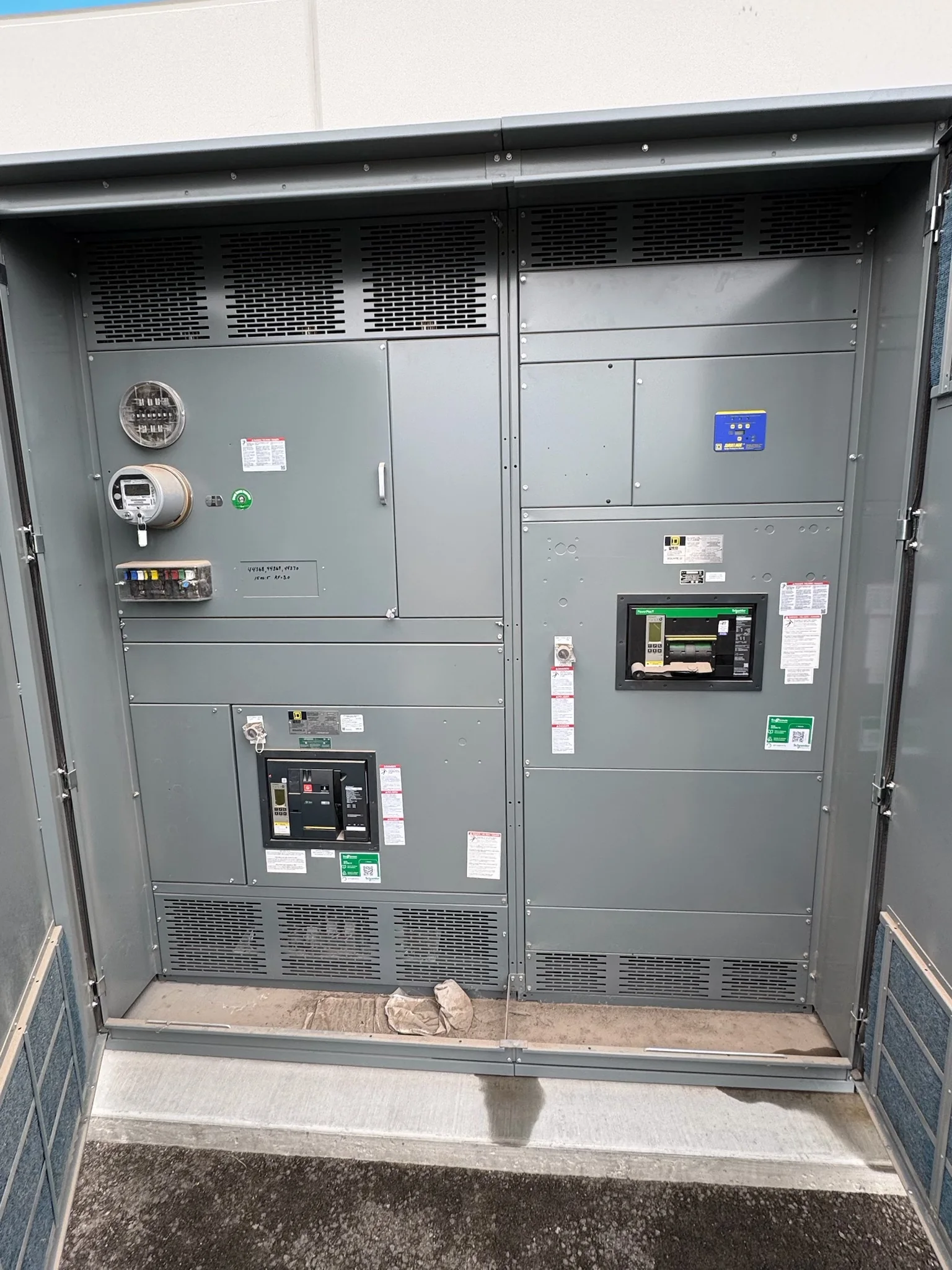
Define the Modernization Scope Before Selecting Equipment
In Baytown, a modernization project may involve replacing an entire lineup, renewing a switchboard section, or coordinating new distribution equipment with existing infrastructure. Those approaches are not interchangeable: the selected scope affects outage planning, connections, protection coordination, and the amount of field modification required. Start by documenting the existing equipment’s function, nameplate information, available drawings, operating conditions, and known deficiencies. Identify which loads must remain available and whether the project is intended to address capacity, reliability, maintainability, or a combination of needs. A manufacturer can use this information to develop a project-specific proposal for new equipment, but the existing installation must be assessed before compatibility is assumed. Clear scope boundaries help the owner compare proposals and avoid discovering essential work only after equipment is released for production.
Build the Specification Around the Electrical System
A useful specification describes the system the new equipment must serve, not just the dimensions of the existing gear. Provide system voltage, phase and frequency, available fault-current information, grounding method, service configuration, and the intended continuous load. Include protective-device requirements, metering needs, control interfaces, and any required communications or remote indication. For industrial facilities around Baytown, the equipment may support process loads, utilities, buildings, or several functions with different continuity priorities; identify those distinctions instead of treating every feeder alike. Engineers should verify interrupting and withstand requirements, bus ratings, and protection coordination using project data and applicable codes. Final ratings and construction depend on evaluation of the actual application. Supplying complete, verified inputs early gives the manufacturer a sound basis for equipment design and reduces avoidable clarification cycles.


Check Fit, Connections, and Existing-Equipment Interfaces
Physical fit is only one part of a successful replacement. Record the available room, access route, floor and housekeeping-pad conditions, door and overhead clearances, and the space required for installation and future maintenance. Document bus orientation, cable or busway entry, conductor routing, termination space, and the location of grounding connections. Existing switchgear may have been modified over time, so original drawings should be checked against field conditions rather than treated as a complete record. If new equipment is intended to connect to retained equipment, define the interface and have qualified project personnel verify electrical and mechanical compatibility. In Baytown industrial settings, adjacent piping, structural steel, and operating areas can constrain access or staging; identifying these restrictions before design helps prevent a lineup that fits on paper but cannot be moved into position.
Coordinate Outages, Submittals, and Manufacturing Timing
The project schedule should account for engineering review and site readiness as well as manufacturing and shipping. Establish when approved drawings, equipment data, and interface details are needed, and identify who has authority to return consolidated submittal comments. Confirm required shutdown windows, temporary operating arrangements, commissioning responsibilities, and any facility restrictions on work hours or access. A short stated lead time is not a substitute for a schedule based on the final scope, component availability, design approvals, and production status; request current timing for the specific configuration. For a Baytown facility with process operations, an outage can affect more than the electrical crew, so involve operations and maintenance early. Aligning decision dates with the planned outage helps the team judge whether the proposed equipment and installation sequence are practical.
Prepare Documentation for Review and Field Execution
A complete procurement package makes technical review more useful and helps installation teams work from a shared understanding. Depending on project scope, request arrangement drawings, one-line diagrams, connection details, equipment schedules, bills of material, and applicable product data. Ask the manufacturer to identify the standards and evaluation basis relevant to the proposed equipment; UL 891 applies to appropriately evaluated low-voltage switchboard assemblies, not automatically to medium- or high-voltage gear. Record deviations, approved substitutions, and responsibility for any site-specific engineering in the purchase documents. Also define the requested factory documentation, inspection or testing requirements, and closeout materials before the order is placed. When drawings, assumptions, and exceptions are controlled in one review process, procurement can compare proposals accurately and field personnel are less likely to rely on conflicting revisions.
Plan Baytown Delivery Around the Receiving Site
Nationwide shipping can support a Baytown project, but delivery readiness is determined at the facility, not simply by the destination city. Before scheduling shipment, confirm the receiving address, site access rules, truck and unloading arrangements, available staging space, and any limits on delivery hours or vehicle size. Determine whether equipment will be received as one assembly or in sections, and coordinate lifting and movement plans with qualified personnel using the manufacturer’s approved handling information. Protect equipment from weather, contamination, and impact during staging, and inspect shipments promptly for visible damage or missing items. Industrial campuses may have security procedures, restricted roads, and simultaneous contractor activity that complicate access. Sharing these constraints when requesting a quote helps coordinate packaging, shipment planning, and receiving responsibilities without assuming a delivery date or site capability.