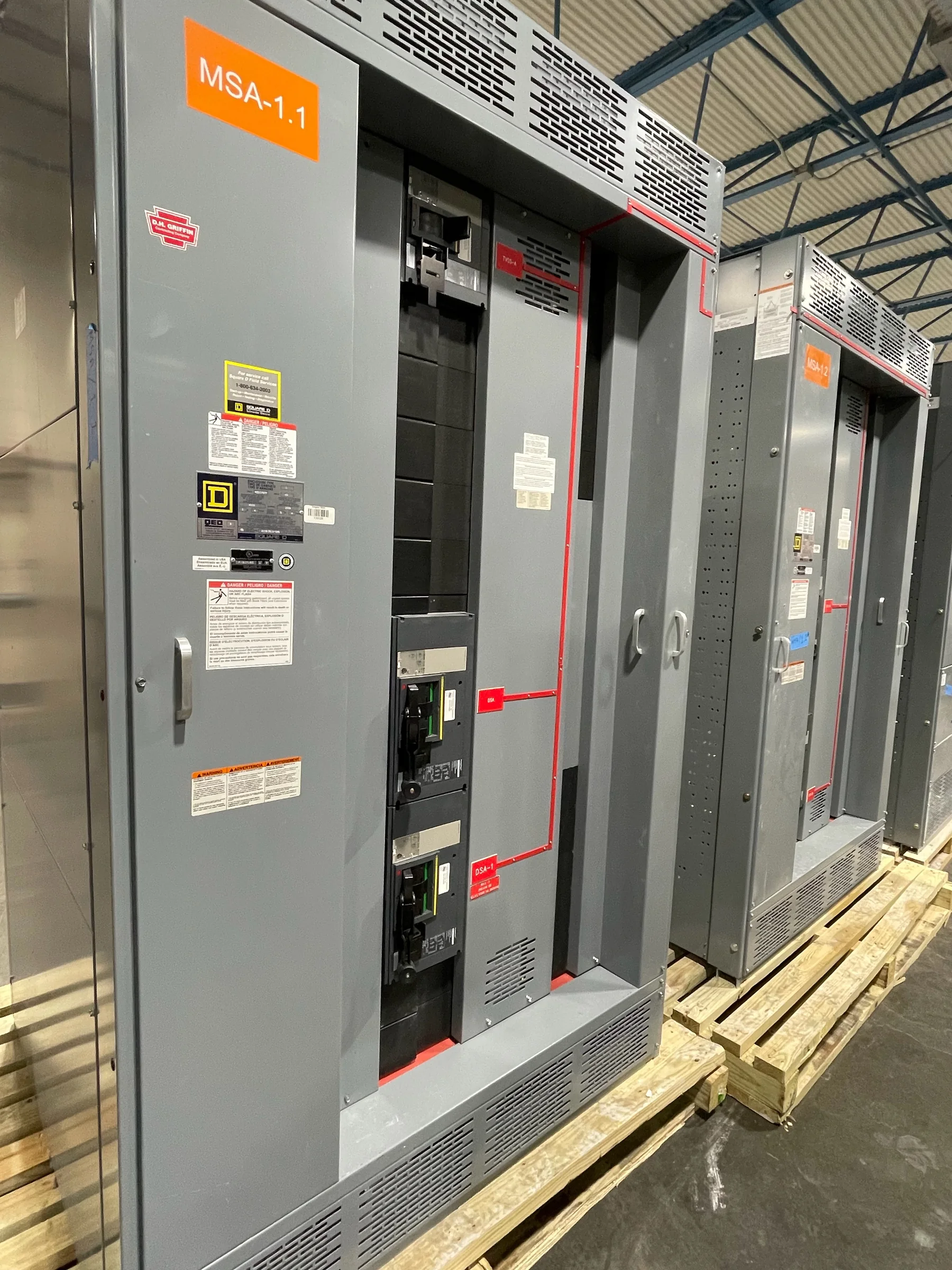
Define the Baytown Project Before Requesting a Quote
A useful switchgear quote starts with the electrical scope, not a guessed equipment size. Identify whether the work is a new service, a capacity addition, a replacement, or a planned facility expansion, then describe the loads and operating conditions the equipment must serve. For a Baytown industrial site, note whether the gear supports process loads, utilities, buildings, or a mix; the consequences of an outage can shape the required arrangement and project sequence. Share the requested delivery location, target installation window, and any restrictions on site access. These details help the manufacturer distinguish firm requirements from open design questions and prepare a quote that reflects the actual project. Final ratings, construction, standards, and availability remain subject to engineering review.
Send the Drawings and Electrical Data That Drive Design
Attach the latest one-line diagram, load information, available fault-current data, and service requirements when requesting pricing. If those items are preliminary, label them as such and identify who will confirm them; an assumed value can affect equipment selection, coordination, and price. Include the system voltage, phase and wire configuration, grounding approach, source arrangement, and any planned tie or alternate source, where known. For replacement work, provide existing gear nameplates, overall dimensions, compartment layout, and connection details, plus clear photographs if available. These records help identify interface questions before fabrication planning begins. They do not, by themselves, establish compatibility: bus connections, protective devices, physical clearances, and applicable standards require project-specific confirmation by the responsible design team and manufacturer.


Match the Assembly to the Application and Scope
Switchgear requirements depend on the equipment type and the duty it must perform. Clarify whether the project calls for a low-voltage switchboard, medium-voltage switchgear, or another distribution assembly, and list the functions required, such as metering, incoming protection, feeder protection, or source transfer. Do not treat these categories or their standards as interchangeable. UL 891 applies to appropriately evaluated low-voltage switchboard assemblies; it is not a blanket certification for medium- or high-voltage equipment, and a particular assembly’s labeling must be confirmed. Tell the manufacturer whether the quote should include only the assembly or also project-specific options and documentation. Confirming scope early matters because equipment construction, evaluation, interfaces, and purchasing responsibilities vary with application and cannot safely be inferred from a product label.
Coordinate Delivery Around Baytown Site Conditions
Delivery planning matters in Baytown because industrial facilities may have controlled entrances, designated receiving areas, active vehicle routes, and limited space for unloading or temporary staging. Before approving a quote, check who can receive the shipment, what delivery hours apply, whether advance notice or site credentials are required, and whether a truck can reach the intended drop point. Ask the project team to verify access dimensions, turning constraints, unloading equipment, and the route from receiving to the electrical room. These are planning checks, not assumed site conditions. Confirm the proposed shipment configuration and handling requirements with the manufacturer and carrier before scheduling. Resolving access issues early can prevent a delivered assembly from being delayed, staged unsafely, or moved through a route that was never assessed.
Discuss Schedule, Submittals, and Purchasing Milestones
A requested ship date is not the same as a confirmed delivery commitment. Ask for the current schedule basis, what starts the production timeline, and which customer approvals or engineering inputs must be complete first. Custom builds and short lead times are available offerings, but timing depends on the approved design, component selection, scope, and availability at the time of order. Establish when drawings will be submitted, who reviews them, how revisions are handled, and what documents are needed for procurement approval. If the project has a shutdown, construction outage, or phased installation, share the dates early and distinguish fixed milestones from preferences. A clear approval path helps the purchasing team compare quotes fairly and reduces the risk that unresolved technical comments surface after the schedule is already tight.
Plan Replacement, Installation, and Final Verification
When the quote supports replacement or retrofit work, document what must remain in service and what will be removed, reused, or modified. Compare the existing lineup’s footprint, access and cable-entry conditions with the proposed arrangement, and identify adjacent equipment or building features that could limit installation. Ask how connection points, conduit routes, protection requirements, and the transition between old and new equipment will be reviewed; compatibility should be verified rather than presumed. Coordinate the installation sequence, outage window, receiving plan, and responsible contractors before equipment is released for shipment. Installation and commissioning require qualified personnel and project-approved procedures, including de-energizing equipment before applicable work. Final requirements depend on the design and site conditions, so the engineering team should confirm scope, documentation, and verification responsibilities.