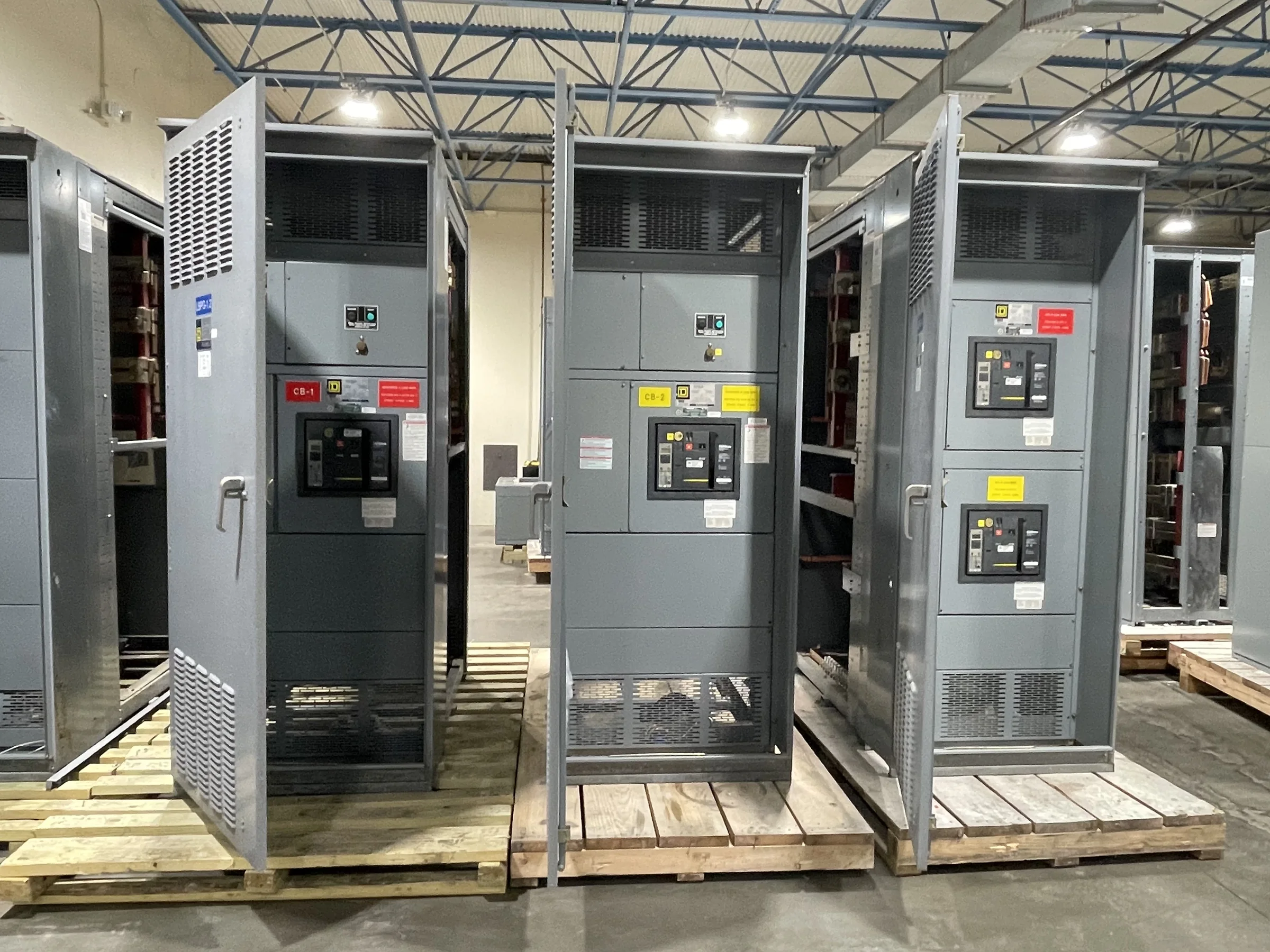
Define the Equipment Before Requesting a Quote
A useful switchgear quote starts with the electrical conditions the equipment must meet, not simply the name of an existing lineup. Identify the system voltage, phase, frequency, available fault current, main and feeder arrangement, and whether the project calls for low-voltage switchboards or medium-voltage gear. Include load schedules, one-line diagrams, and any required metering, protective devices, or control interfaces. These details affect the proposed arrangement, component selection, and review effort; leaving them open can lead to a price that does not represent the finished scope. For a replacement, provide the existing equipment’s nameplate information and clear photographs where available. The manufacturer can then review the request and identify questions that need resolution before a project-specific configuration and price are prepared.
Match the Configuration to the Facility’s Loads
Texas City facilities can include process equipment, utility services, pumping, material handling, and other loads with different operating priorities. The lineup should reflect which circuits need independent protection, metering, or a planned path for future expansion. Review normal and emergency sources, generator or tie-breaker arrangements, and any coordination requirements with upstream and downstream protective devices. A bus rating or breaker frame selected from connected load alone may not address calculated demand, fault duty, or the facility’s operating sequence. Share the applicable studies and design criteria when requesting a quote, and flag assumptions that are still being developed. This lets the manufacturer distinguish confirmed requirements from open engineering decisions, reducing the chance that a later revision changes the equipment arrangement, component scope, or project price.


Account for Gulf Coast Site Conditions
Near the Texas City coast, heat, humidity, salt-laden air, and airborne industrial contaminants can influence enclosure materials, finishes, ventilation, and equipment placement. The right provisions depend on the actual installation environment, including whether the gear is indoors, in a conditioned electrical room, or exposed to weather and process-area conditions. Describe the room or outdoor location, ambient temperature expectations, elevation, ventilation, and any known corrosive exposure. Also identify applicable site standards and environmental requirements rather than assuming a standard enclosure will suit every location. These factors matter because unsuitable environmental protection can shorten service life or complicate maintenance. They may also change dimensions, accessories, or construction details, so early disclosure helps the quote address the intended application instead of relying on assumptions.
Coordinate Dimensions, Access and Installation
An electrically compatible lineup can still create costly field problems if it cannot pass through the route to its final location. Before pricing, provide room plans, equipment dimensions or available space, ceiling height, door and corridor clearances, floor loading information, and the intended cable-entry direction. Note overhead obstructions, trenches, raised floors, and any restrictions on rigging or staging. Texas City industrial sites may have controlled access, limited laydown space, or delivery windows coordinated with ongoing operations; these should be discussed during planning, not after the equipment is built. Confirm who is responsible for unloading, moving, anchoring, terminating, and making connections. Reviewing these constraints alongside the equipment arrangement can reveal conflicts early and help align the quoted configuration with the installation plan.
Build a Quote Package That Supports Review
Procurement and engineering teams can evaluate a proposal more reliably when the request identifies deliverables as well as hardware. List the drawings, bills of material, data sheets, and other submittals required for review, and specify the approval process and any document format or naming conventions. Include required standards and project specifications, while distinguishing mandatory clauses from preferences or exceptions under consideration. If the scope includes controls, communications, metering, or interfaces to existing equipment, describe the expected signals and responsibilities for integration. Request clarification of exclusions, customer-furnished items, and work by others so the price can be compared on a consistent basis. This level of definition helps reviewers find scope gaps before purchase and limits avoidable changes after drawings and equipment details enter review.
Discuss Schedule and Delivery as Project Variables
The manufacturer offers custom-built equipment, American components, short lead times, and nationwide shipping, but timing and availability depend on the project’s final scope, component selection, approvals, and production conditions. Share the required in-service date, milestone schedule, and dates when approved drawings or site measurements will be available. Identify whether delivery to Texas City requires advance notice, restricted receiving hours, security clearance, special vehicle access, or coordination with a shutdown. Clarify the receiving location, unloading method, storage conditions, and who will inspect the shipment on arrival. For low-voltage switchboard assemblies, state any required UL 891 evaluation or documentation; applicability is specific to the assembly and project, not a blanket claim for all equipment. Confirm the proposed scope, schedule, and delivery arrangements in writing before relying on them.