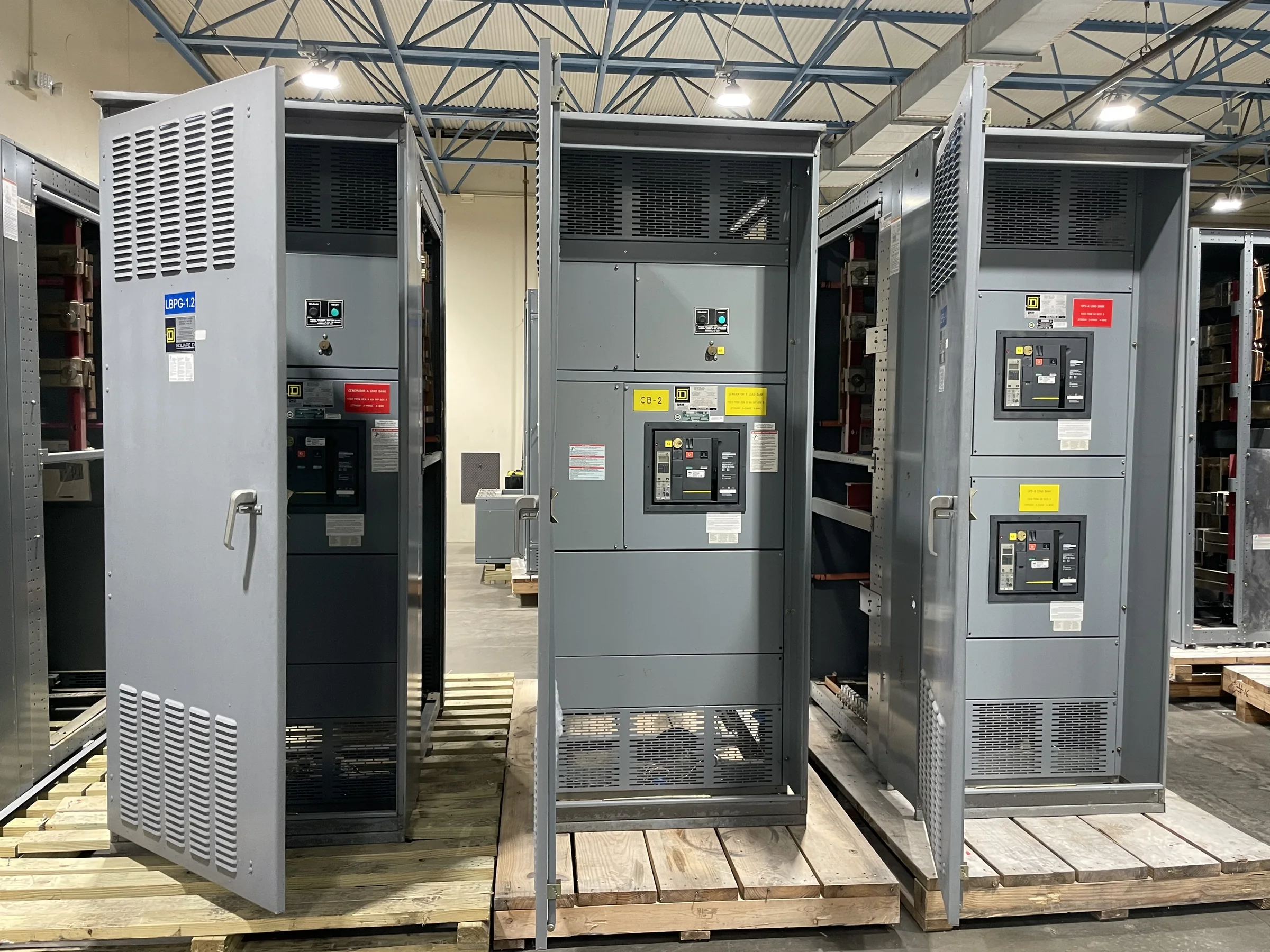
Define What 1,600 Amps Means for the Project
A 1,600-amp designation identifies an intended current rating, not a complete equipment specification. Before requesting a quote, establish whether the project calls for switchgear or a switchboard, the system voltage and phase, the available fault current, and the service or distribution arrangement. Confirm whether the equipment will serve a utility service, generator plant, large motor loads, or downstream distribution; each duty can affect the required configuration and protective devices. Engineers should also identify the governing project documents and applicable codes or standards, then coordinate assumptions with the electrical engineer of record and serving utility where relevant. These details matter because two lineups carrying the same amp rating may differ substantially in function, construction, and suitability. Final ratings and compatibility require project-specific review.
Coordinate the Main Device, Bus, and Protection
At this rating, the main overcurrent device, bus arrangement, and feeder provisions need to be considered together rather than selected in isolation. Specify the intended main-device type and operating requirements, anticipated feeder count, and any spaces or provisions needed for future circuits. Protection coordination depends on the connected system and downstream devices, while interrupting and withstand requirements must be evaluated against the available fault current at the installation point. Do not assume that a nominal 1,600-amp rating establishes fault-duty suitability or that a particular breaker, trip unit, or bus design will fit every application. Provide the one-line diagram, load information, and protection criteria for review. This reduces the risk of late revisions that can change lineup dimensions, interfaces, or procurement scope.


Resolve Indoor, Outdoor, and Access Constraints
The electrical room or pad can determine whether a workable lineup can be installed at all. Document available wall and floor space, ceiling height, housekeeping-pad dimensions, cable-trench or conduit locations, and the intended cable-entry direction. Identify working clearances and door-swing requirements using the applicable project design; do not treat an equipment footprint as the full installation envelope. For outdoor installations, address the specified enclosure and environmental conditions rather than assuming a standard indoor construction will suffice. Check the route from truck unloading to final position, including door openings, turns, floor capacity, and lifting access. These checks matter because a lineup that fits on a drawing may still be impossible to move into place or connect without costly field changes.
Build a Quote Package That Can Be Evaluated
A useful request for quotation gives the manufacturer enough information to price the intended equipment without guessing at critical interfaces. Include the one-line diagram, equipment schedule, system voltage, phase and wire details, available fault-current data, specified main and feeder devices, metering needs, and any required control or communications functions. Add room or pad drawings, cable-entry preferences, enclosure conditions, and the project’s applicable specification sections. Clearly identify items that are mandatory, preferred, or still under engineering review. Where a requirement is not yet established, mark it as pending rather than implying a confirmed selection. A complete package helps the manufacturer identify exceptions and open questions early, so procurement, engineering, and facilities teams can compare proposals on scope and compatibility—not just on the 1,600-amp label.
Plan Submittals, Manufacturing, and Site Readiness
Schedule discussions should begin with the actual project milestones: approved submittals, release for production, required ship date, site readiness, and installation sequence. Ask for current availability and a project-specific schedule; short lead times are an offering, not a guarantee for every configuration or order. Custom features, component selections, engineering review, and approval cycles may affect timing, so resolve major decisions before releasing the build. Establish who reviews drawings and how comments will be consolidated to avoid conflicting revisions. Before shipment, coordinate receiving hours, unloading equipment, storage conditions, and a clear route to the electrical room. These practical steps matter because delivery is only useful when the site can accept and protect the equipment, and when approved documentation matches the installation plan.
Review Standards, Documentation, and Delivery Scope
Confirm which standards and evaluation requirements apply to the specified assembly, and request documentation appropriate to the actual product and project. UL 891 applies to appropriately evaluated low-voltage switchboard assemblies; it should not be treated as a blanket certification for medium- or high-voltage equipment, or as proof that every configuration carries a UL label. Verify any required labeling or listing for the quoted assembly and confirm its scope before purchase. Review the proposed drawings, device schedules, wiring information, and connection details against the project documents, while keeping final acceptance subject to the applicable design and evaluation. A U.S. manufacturer can discuss American components, custom builds, and nationwide shipping, but component selection, documentation, and delivery arrangements remain project-specific and should be stated in the quote.