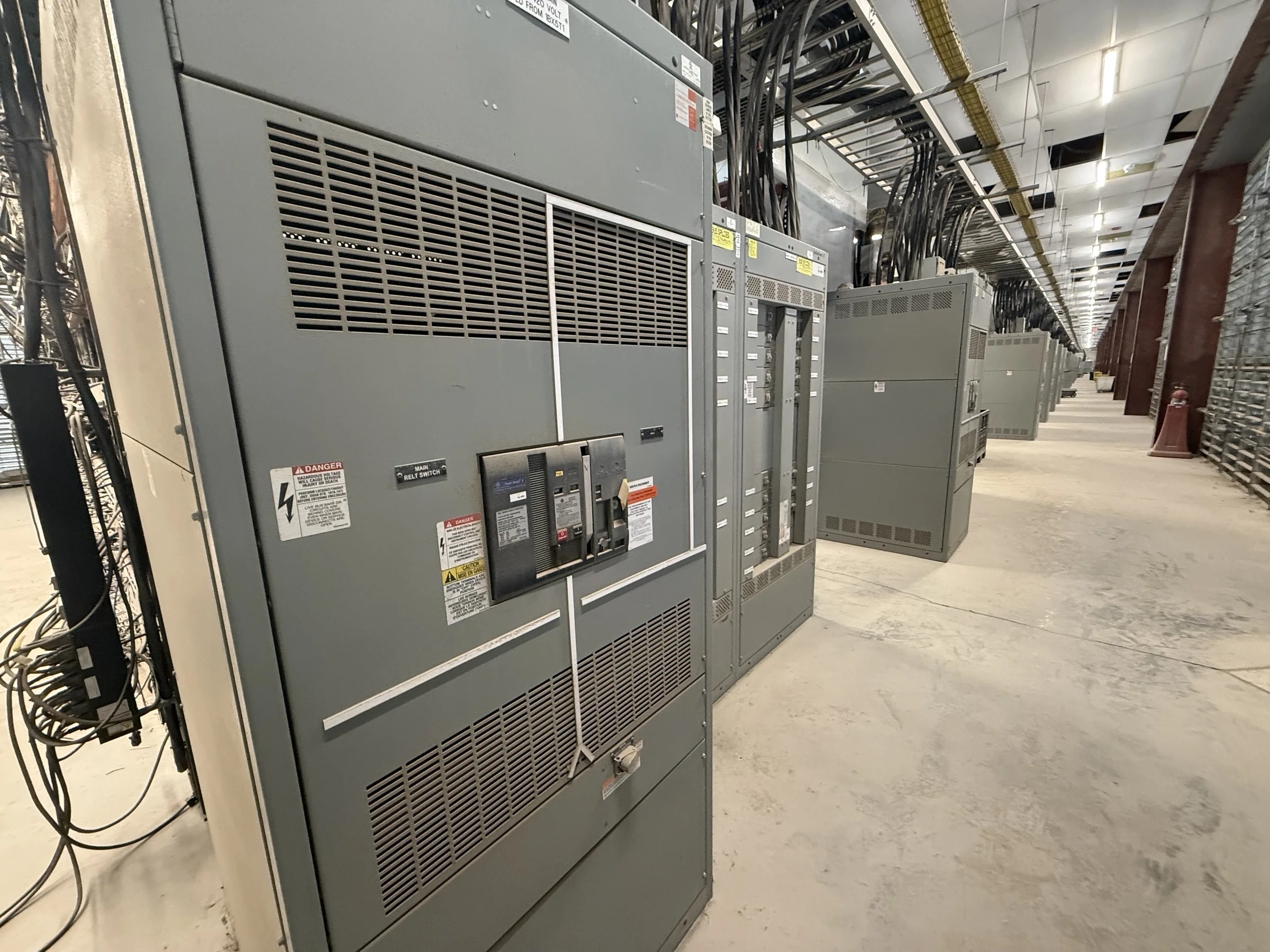
Define the Houston Project Before Selecting Equipment
Houston facilities range from process plants and warehouses to hospitals, campuses, and commercial buildings, so the right switchgear begins with the electrical system—not a product label. Confirm the service voltage, available fault current, system grounding, load profile, and whether the equipment serves as service entrance, distribution, or a tie between sources. Identify future loads such as pumps, compressors, chillers, or production lines; spare capacity and feeder provisions are easier to assess before the lineup is finalized. Share one-line diagrams, load schedules, and existing equipment data with the manufacturer. These details help expose mismatches early, including incompatible interfaces or an interrupting rating that does not suit the calculated fault duty. Final ratings and configuration remain project-specific.
Coordinate Environmental and Installation Conditions
Houston-area heat, humidity, heavy rain, and occasional storm-related access constraints can affect both the equipment specification and installation plan. Confirm whether switchgear will be indoors or outdoors, the expected ambient conditions, ventilation, exposure to moisture or corrosive contaminants, and any enclosure or room requirements established by the project engineer. A lineup installed in a conditioned electrical room faces different environmental demands than equipment near a loading area or industrial process. Site measurements matter too: verify doorway and corridor clearances, floor capacity, working space, conduit entry locations, and the route from the receiving point to the final pad or room. Resolving these constraints before release can prevent field modifications, delayed placement, or inaccessible maintenance points.


Match the Assembly to Its Electrical Function
Switchboards and switchgear are not interchangeable terms for every application, and equipment selection should follow the system design and applicable project requirements. Low-voltage switchboard assemblies may be evaluated to UL 891 when the specific assembly and configuration qualify; that standard is not a blanket certification for medium- or high-voltage equipment. Ask the manufacturer to identify the proposed equipment type, voltage class, main and feeder arrangement, protective-device options, and applicable evaluation basis for the requested build. Confirm coordination expectations with the engineer responsible for protection studies, including device settings and selectivity goals. These checks matter because a physically suitable lineup can still conflict with the protection scheme, service requirements, or inspection documentation. Confirm exact applicability before procurement.
Review Drawings, Interfaces, and Required Submittals
A useful submittal package allows engineers and installers to verify fit and function before equipment is built. Establish which documents the project requires, such as approval drawings, outline dimensions, wiring diagrams, bills of material, nameplate information, and operation or maintenance materials. Check bus arrangement, cable access, lug provisions, control wiring, metering, and communication interfaces against the one-line diagram and adjacent equipment. For replacement work, document the existing lineup’s manufacturer, catalog or drawing references, dimensions, termination locations, and field conditions; photographs can clarify details but should not replace verified measurements. Reviewing revisions carefully matters because a late change to conduit entry, breaker arrangement, or control interface may affect fabrication and installation coordination. Obtain engineer approval where required.
Discuss Schedule, Availability, and Delivery Planning
Project timing depends on the approved configuration, component availability, drawing review, and the sequence of other trades—not simply the date a quote is requested. Send complete specifications early, identify decision deadlines, and ask which selections could affect the schedule. If the project has phased construction, confirm whether equipment can be designed and released in stages without creating incompatible lineups or documentation gaps. The manufacturer offers short lead times, but no delivery period should be assumed until the specific build and current component availability are reviewed. For Houston-area delivery, coordinate receiving hours, truck access, unloading equipment, weather protection, storage conditions, and the planned installation date. Clear delivery responsibilities reduce the risk of equipment arriving before the site is ready.
Request a Quote with Complete Project Information
A focused quote request gives procurement and engineering teams a better basis for comparing equipment and clarifying scope. Include the project location, requested delivery window, voltage and system data, one-line diagram, required standards, preferred components, lineup arrangement, and any site or inspection requirements. State whether the need is for a new installation, capacity expansion, or replacement, and identify interfaces that must connect to existing gear. The U.S. manufacturer builds new distribution equipment to project requirements, offers American components, custom builds, and nationwide shipping; confirm component choices, configuration, evaluation status, and availability for the actual order. A written scope helps surface exclusions and open technical questions before purchase, so the final equipment can be reviewed against the approved design.