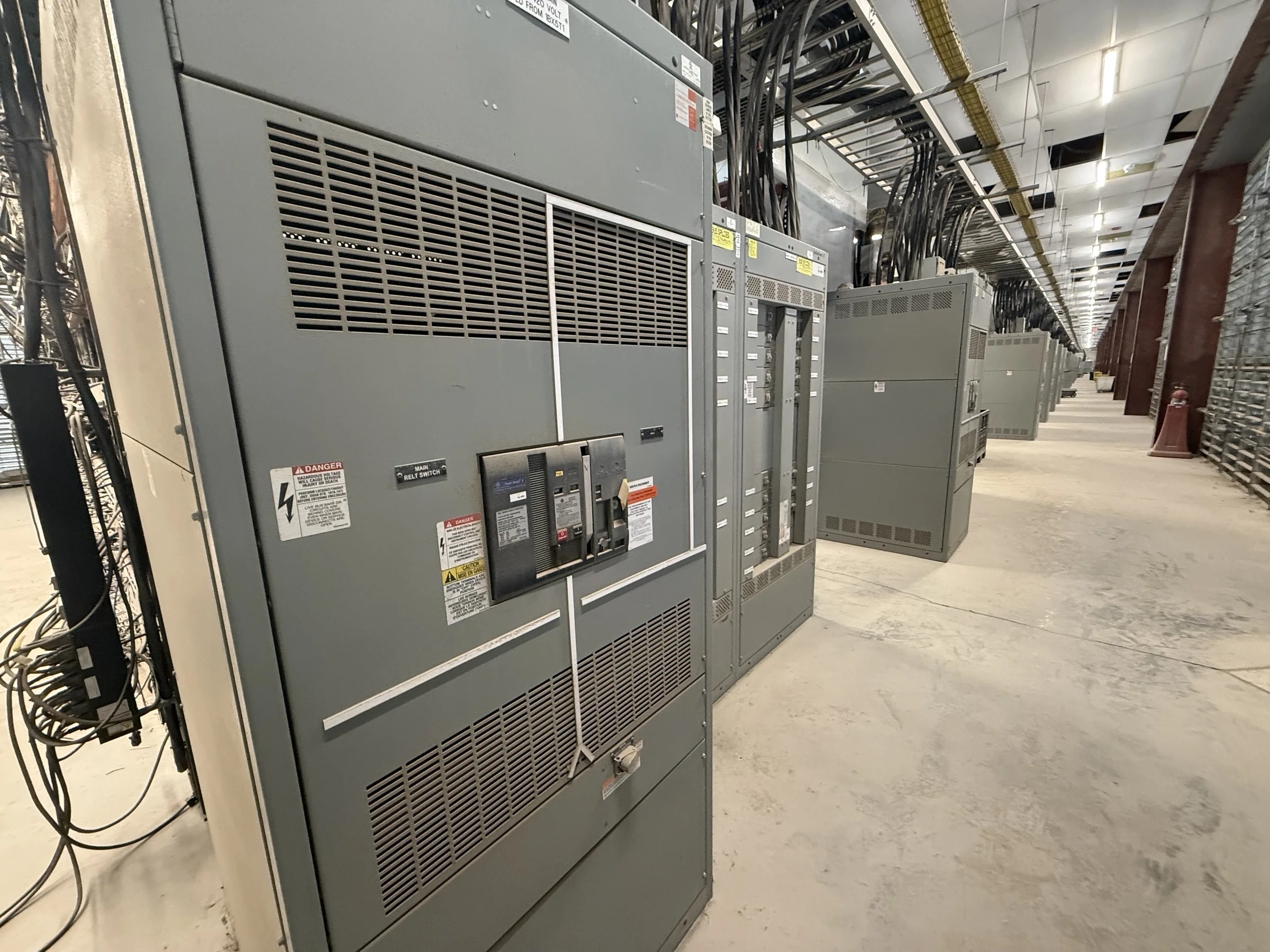
Define What 27 kV Means for the System
A 27 kV designation identifies a voltage class, not a complete equipment specification or a promise that every component is suitable for a particular system. Start with the nominal system voltage, maximum operating voltage, grounding method, frequency, and the utility’s or facility’s required insulation and withstand criteria. Confirm whether the scope is metal-clad switchgear, another medium-voltage assembly, or a coordinated lineup that includes switching, protection, and metering. These distinctions affect equipment selection, interfaces, clearances, and the documents needed for review. Ask the engineer of record and serving utility to resolve differences between project drawings and service requirements before procurement. A clear basis of design prevents a voltage-class label from concealing mismatched equipment or assumptions that delay approval.
Match the Lineup to Protection and Operating Needs
Protection requirements should shape the lineup before a quote is finalized. Gather the available fault-current information, protective-device coordination study, relay functions, instrument-transformer requirements, and intended switching sequence. The manufacturer needs these inputs to assess the proposed arrangement; actual interrupting, withstand, and operating ratings must be confirmed for the specific design and system conditions. Consider how operators will isolate equipment, identify circuit status, and access controls, while keeping operation consistent with site procedures and applicable safety rules. If the project replaces existing gear, compare the new arrangement with feeder count, cable entry, bus connections, and control wiring rather than relying on nominal voltage alone. Early coordination helps identify design gaps while changes are still practical and keeps protection intent visible in procurement documents.


Coordinate Interfaces, Cables, and Room Conditions
A 27 kV lineup must fit the electrical room and the installation route, not just the one-line diagram. Provide verified room dimensions, ceiling and door clearances, floor elevation, cable-trench or conduit locations, and the required working space shown on project documents. Record cable sizes, termination approach, entry direction, and bend-space constraints so engineers can review connections against the proposed equipment layout. Check access to rigging points, loading docks, elevators, and the final route into the room; a lineup that cannot be moved through the building creates expensive field rework. Environmental conditions also matter: identify indoor or outdoor placement, ambient conditions, altitude where relevant, and exposure to moisture, dust, or corrosive contaminants. Resolve site-specific requirements during design review, not during delivery.
Prepare a Quote Package That Supports Engineering Review
A useful request for quotation gives the manufacturer enough information to identify assumptions and exceptions. Include the one-line diagram, equipment schedule, specifications, site voltage and grounding details, fault-current data, protection requirements, cable information, room drawings, and the requested scope boundaries. State whether the project calls for new equipment only or includes defined replacement, retrofit, or integration work; do not leave responsibility for field verification or adjacent-system modifications ambiguous. Identify applicable standards and project documentation requirements, then ask the supplier to confirm which apply to the quoted assembly. For low-voltage switchboards, UL 891 may be relevant when the assembly is appropriately evaluated; it is not a blanket certification for medium-voltage 27 kV equipment. A complete package makes technical exceptions, commercial scope, and approval needs easier to compare.
Discuss Build Timing and Delivery Before Releasing the Order
Project schedules depend on approved drawings, complete technical inputs, component availability, manufacturing scope, and review cycles. Discuss the required ship window early, but treat any timing estimate as project-specific and subject to confirmation after scope and approvals are established. Ask which submittals are needed, who must review them, how revisions are controlled, and what information is required before production release. Confirm whether shipping is nationwide, who coordinates freight, and what site conditions govern delivery appointments, unloading, storage, and protection from weather. Large electrical equipment can require advance planning for a suitable receiving area and lifting resources; a delivery date without an access plan may not keep installation on schedule. Align procurement milestones with construction sequencing and energization planning, including the required de-energized work and commissioning controls.
Plan Replacement Around Existing Equipment and Records
For a replacement or retrofit project, reliable field information is as important as the new-equipment specification. Document existing lineup dimensions, bus and cable interfaces, feeder identification, control schematics, relay settings, and the condition of connected loads where available. Verify measurements on site and distinguish confirmed facts from assumptions; legacy drawings may not reflect later modifications. Identify shutdown windows, temporary power needs, outage approvals, and the parties responsible for disconnecting, removing, installing, testing, and updating records. Any work on electrical equipment must follow the site’s safety program and applicable requirements, with equipment de-energized where required; procurement copy should never imply energized work is a shortcut. Ask for project-specific drawings and scope clarifications before release. That preparation helps limit interface surprises and gives operations staff a clearer handoff after installation.