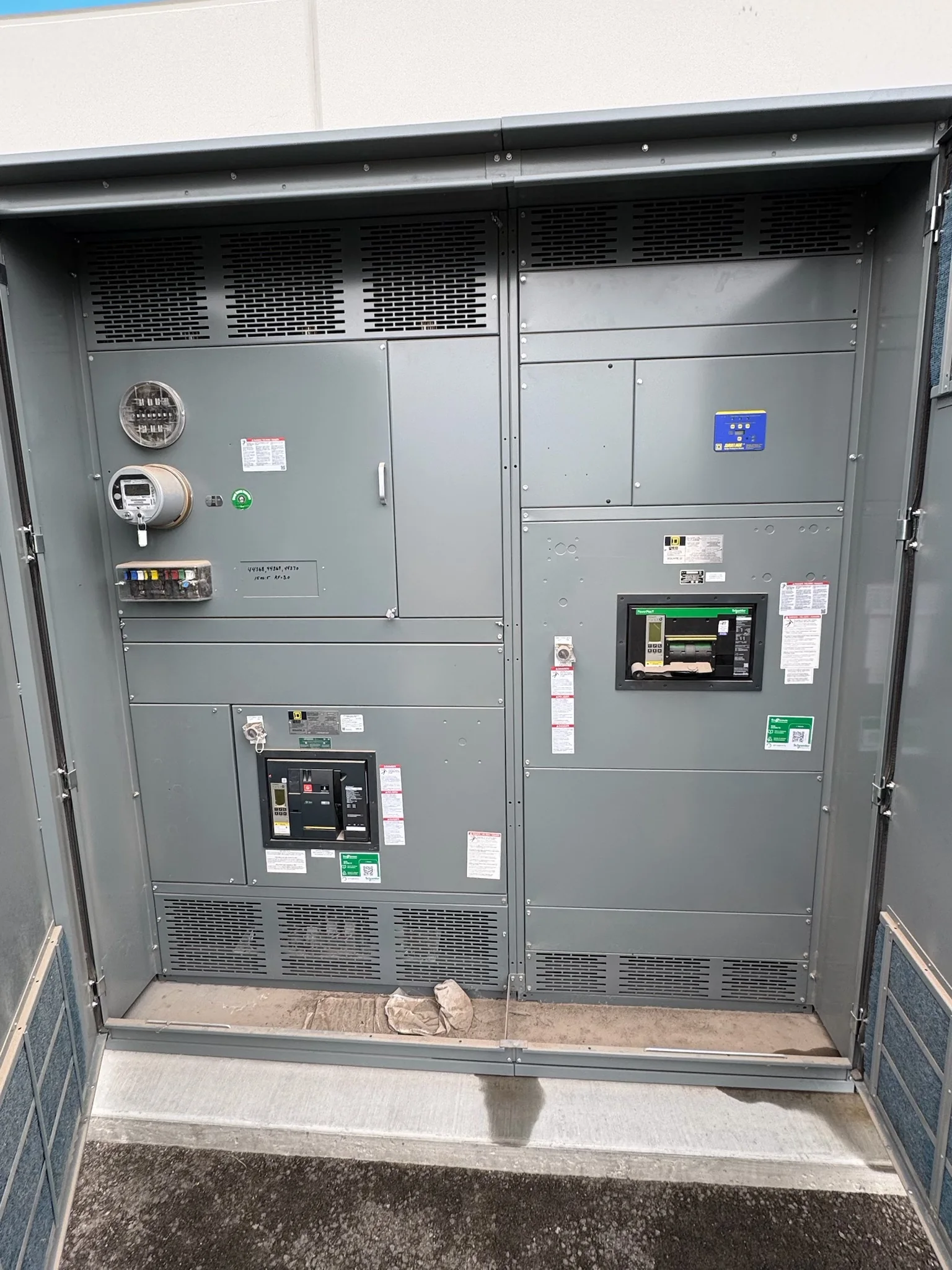
Define the 480V Distribution Scope
A 480V project begins with the electrical system, not a catalog description. Confirm whether the source is three-phase, four-wire, and grounded as designed, then document nominal voltage, frequency, available fault current, service configuration, and the loads the assembly must supply. Those details influence bus ratings, protective-device selection, metering, and the interface with transformers or downstream distribution. Distinguish a switchboard from medium-voltage switchgear in procurement documents; 480V equipment is low-voltage distribution, and its construction and evaluation requirements differ. Identify the governing project specifications and applicable codes with the engineer of record. Clear boundaries also prevent gaps between the new assembly, existing service equipment, and feeder work. Final ratings and compliance depend on the specific design and evaluation.
Coordinate Protection and System Compatibility
Protective devices must work as part of the complete electrical system. Provide the available fault-current study, one-line diagram, upstream and downstream device data, and any selective-coordination or arc-flash requirements available at bid time. The engineer can use these to evaluate interrupting ratings, device coordination, and whether specified settings or trip functions fit the installation. A breaker that matches a frame size is not necessarily a suitable system replacement: bus connections, enclosure arrangement, control voltage, accessories, and approved equipment combinations matter. For existing facilities, record the installed manufacturer's identification and equipment details, but do not assume a new assembly will interchange with legacy gear. Confirm compatibility and required field modifications before release. Final protection choices and studies remain project-specific and subject to engineering review.


Specify Construction, Components, and Evaluation
A useful specification separates required performance from preferred construction. State the service entrance arrangement, bus material preference, main and feeder device requirements, metering, control features, enclosure location, and cable or busway entry conditions. American components may be specified where they serve project needs, but component origin alone does not establish assembly ratings or suitability. For low-voltage switchboard assemblies, UL 891 may be relevant when the assembly is appropriately evaluated to that standard; it is not a blanket certification for every 480V product or any medium-voltage equipment. Ask the manufacturer to identify the proposed assembly's applicable evaluation and documentation for the exact configuration. Resolve deviations before award, including alternate devices, compartment layouts, or metering options. The final design, labeling, and availability require project-specific confirmation.
Plan Lead Time Around Design Release
A short stated lead time is meaningful only when its starting point and assumptions are clear. During quotation, align the schedule with drawing approval, receipt of complete load and protection data, component availability, fabrication, inspection, and shipping. Custom bus arrangements, unusual enclosure dimensions, specified devices, or late revisions can affect the sequence. Ask which submittals are needed for approval and identify who returns consolidated comments; fragmented reviews often create avoidable rework. Procurement teams should distinguish a preliminary estimate from a committed ship date, and obtain written confirmation after scope, drawings, and commercial terms are settled. If outages or construction milestones constrain delivery, share those dates early, but maintain contingency for freight, receiving, and installation readiness. Actual timing depends on the approved project configuration and current availability.
Resolve Site and Installation Constraints Early
Field conditions often determine whether a technically correct 480V assembly can be installed without costly changes. Verify available floor area, working clearances, doorway and corridor dimensions, turning space, ceiling height, housekeeping pad or floor conditions, and the route from receiving point to electrical room. Confirm whether cables enter from above or below, where conduits land, and whether adjacent gear or busway fixes the lineup location. Check environmental conditions such as indoor or outdoor exposure, dust, moisture, temperature, and corrosive contaminants so the enclosure can be specified appropriately. Facility teams should also identify rigging limits, elevator capacity, loading-dock access, and allowable delivery hours. These checks inform configuration and shipment coordination, but installation planning and all electrical work must follow approved documents and be performed with equipment de-energized.
Build a Complete Submittal and Delivery Package
A coordinated purchase package gives engineering, construction, and receiving teams the same basis for acceptance. Request project-specific drawings and schedules that show overall dimensions, lineup arrangement, device identification, electrical ratings, connection details, and required clearances, along with the bill of material and applicable evaluation or labeling information. Include the approved one-line diagram, control schematics where applicable, metering details, and a list of exceptions so reviewers can check interfaces rather than infer them. Before shipment, confirm the destination contact, receiving hours, unloading equipment, delivery vehicle access, and whether the site requires advance notice or a defined staging area. Nationwide shipping does not remove those site responsibilities. Verify packaging, shipment documents, and the receiving inspection process against the purchase order; resolve damage or discrepancies before installation and energization.