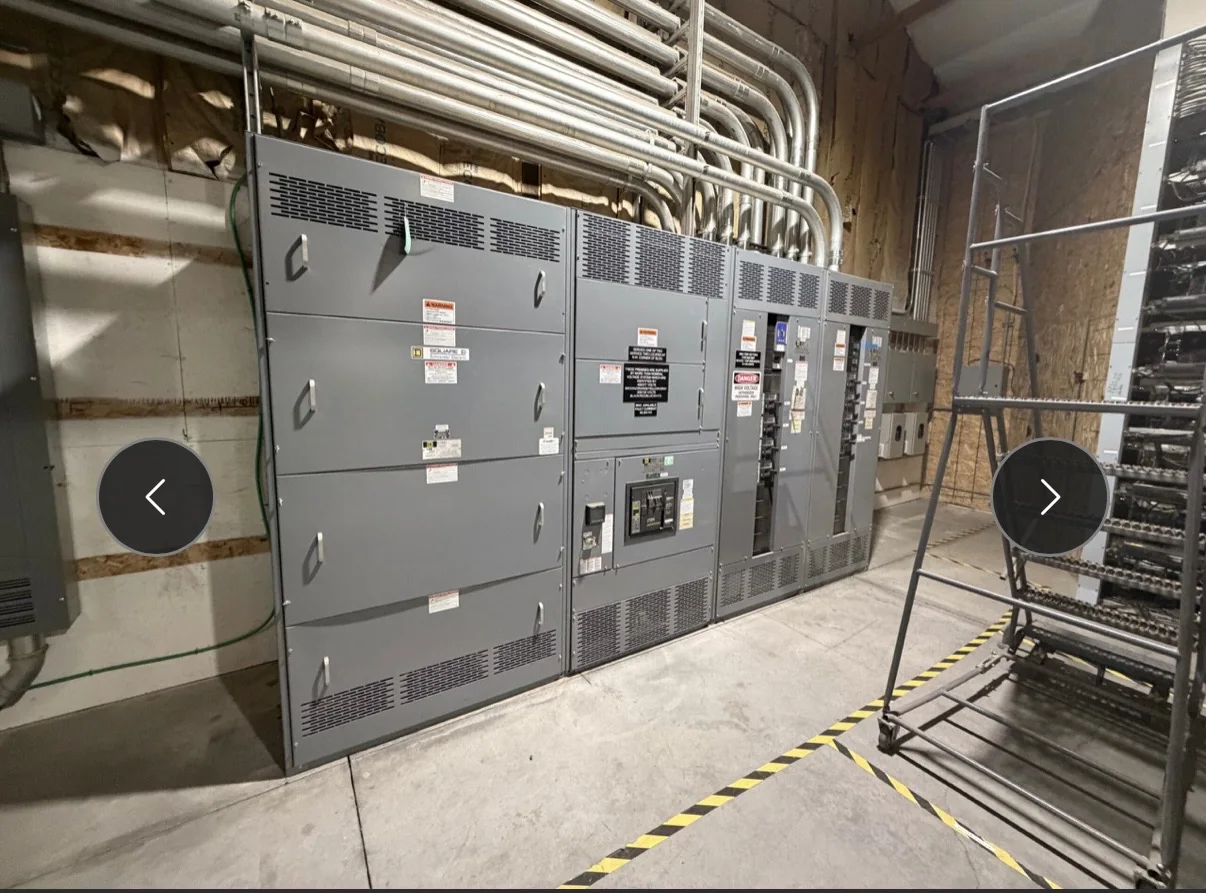
Specify the Baytown Installation Before Selecting Equipment
For a Baytown facility, begin with the electrical one-line diagram, existing equipment data, and the load served—not a general product label. Identify system voltage, available fault current, main and feeder requirements, metering, protective devices, and the intended arrangement of incoming and outgoing connections. These details determine whether a low-voltage switchboard or another type of distribution equipment is appropriate and what must be confirmed during engineering. Record the source transformer or service information and any utility requirements available to the project team. If the equipment replaces an existing lineup, document its manufacturer, model, ratings, bus configuration, and connection points. A U.S. manufacturer can build new equipment to project requirements, but compatibility and applicable standards must be reviewed for the specific installation.
Account for Baytown’s Industrial Operating Conditions
Industrial sites around Baytown may place electrical distribution equipment near process areas, outdoor routes, or spaces exposed to heat, humidity, airborne contaminants, and washdown practices. The actual environment should be documented rather than assumed from the city or facility type. Tell the design team whether the gear will be indoors or outdoors, what enclosure location is planned, how ventilation is handled, and whether corrosive exposure or routine cleaning affects material and enclosure choices. Also consider ambient temperature, access for inspection, and the route for heat rejection. These conditions matter because an enclosure or arrangement suitable for a clean electrical room may not suit a process-side location. Final enclosure, environmental, and equipment selections remain project-specific and require engineering review.


Resolve Ratings, Protection, and Applicable Standards
Confirm the equipment’s electrical ratings against the installation, including voltage, continuous current, short-circuit withstand or interrupting requirements, and the protective-device coordination basis. Fault-current information should reflect the actual source and system configuration; an assumed value can leave a lineup unsuitable for the available fault duty. Review breaker types, trip functions, coordination objectives, ground-fault needs, metering, and control interfaces with the responsible engineer. For low-voltage switchboard assemblies, UL 891 may be relevant when the assembly is appropriately evaluated for the project. It is not a blanket certification for medium- or high-voltage equipment, nor does mentioning the standard establish that a particular assembly carries a UL label. Verify the required standard, evaluation, and documentation for the exact equipment and application.
Plan Replacement Work Around Existing Connections
A replacement project can be constrained more by the existing footprint and cable arrangement than by the new lineup’s nominal ratings. Measure room clearances, aisle space, floor conditions, door openings, overhead obstructions, and the path from receiving point to final position. Compare the proposed lineup dimensions and sections with existing cable entry, conduit locations, bus connections, and working clearances. Identify whether conductors can be reused, need extension, or require replacement, and confirm that any transition design is reviewed by qualified project personnel. Record shutdown windows and dependencies on upstream or downstream equipment early; these shape the installation sequence and procurement schedule. New equipment should not be treated as a drop-in replacement until dimensional, electrical, and interface compatibility have been checked.
Coordinate Submittals, Timing, and Procurement Details
A useful request for quotation includes the one-line diagram, equipment schedule, project specifications, site conditions, required options, and a clear statement of what is included in the supply. Provide the desired ship-to location, receiving restrictions, requested delivery window, and the person responsible for technical questions. Ask the manufacturer to identify exceptions, required approvals, and information still needed to complete engineering. Short lead times may be available for some builds, but timing depends on design completeness, component availability, review cycles, and the agreed scope; obtain a project-specific schedule rather than relying on a general estimate. Check how drawing approval, revisions, and release for production affect that schedule. Clear procurement documents reduce avoidable clarification rounds and help align the purchase order with the approved design.
Prepare Delivery and Commissioning at the Baytown Site
Nationwide shipping does not remove the need to plan the final leg of delivery. In Baytown, confirm gate access, truck restrictions, unloading equipment, receiving hours, laydown space, weather exposure, and the route to the electrical room before shipment is arranged. Large or heavy sections may require a coordinated offload and movement plan; verify dimensions and handling details against the selected assembly and site conditions. Keep equipment protected and follow the manufacturer’s handling and storage instructions while installation is pending. Before energization, qualified personnel should verify installation, connections, grounding, protective-device settings, and required inspection or testing against approved documents and applicable procedures. Provide the commissioning team with current drawings, equipment data, and approved submittals so discrepancies can be resolved before the system is placed in service.