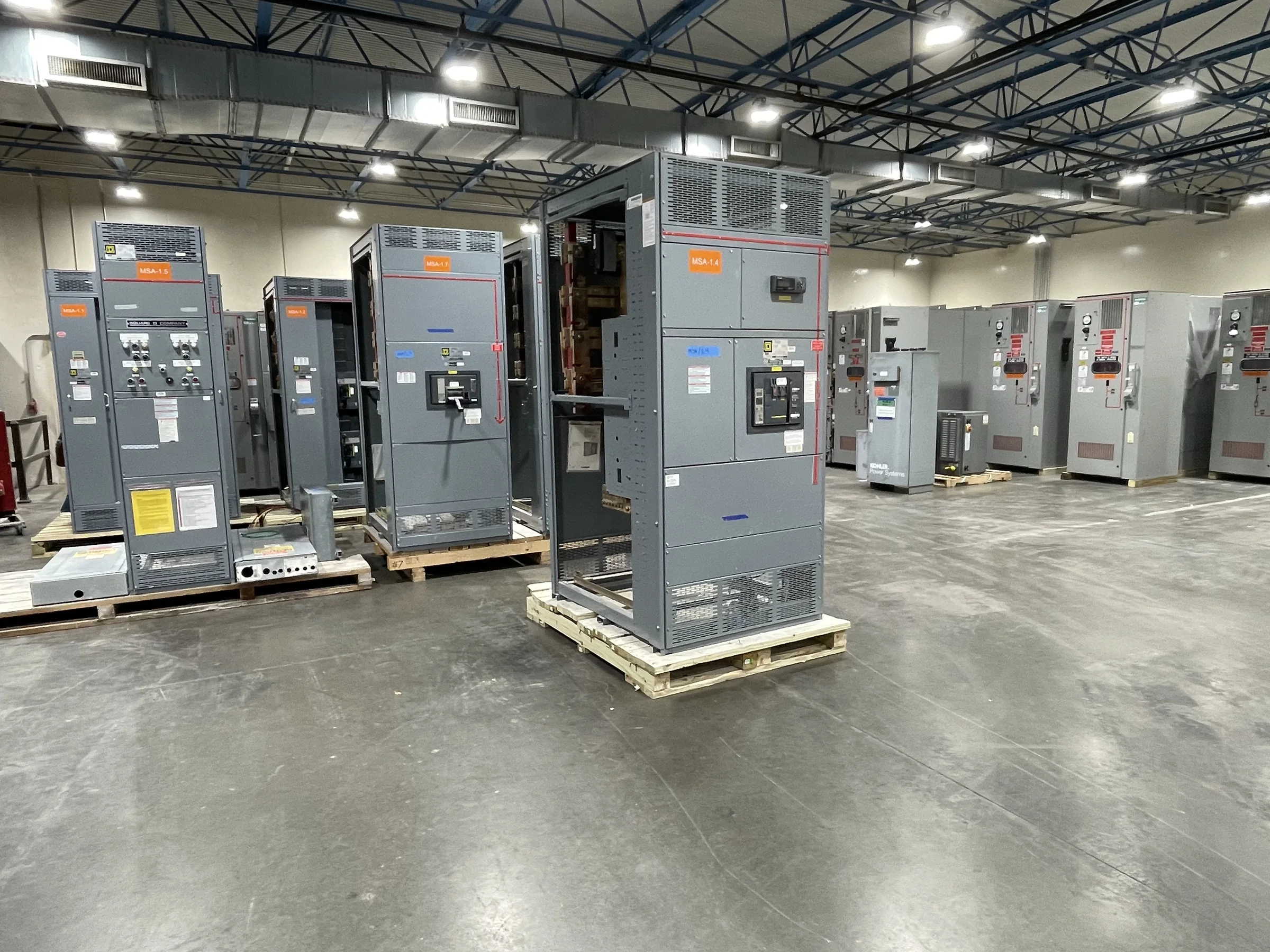
Define What an 800 Amp Rating Means for the Project
An 800 amp designation identifies a current rating, not a complete equipment specification or a guarantee that a particular assembly fits the installation. Start by documenting the source voltage, phase, frequency, available fault current, grounding arrangement, and the loads the equipment will serve. These details shape the switchboard or switchgear configuration, protective-device selection, and the evaluation required for the application. Clarify whether the requested equipment is a service entrance, distribution lineup, replacement, or part of a larger system. A rating that appears suitable on a summary schedule may not resolve conductor space, neutral requirements, or coordination with upstream and downstream devices. Sharing the one-line diagram and project criteria early helps the manufacturer identify open questions before drawings and pricing are finalized.
Match the Assembly to Loads and Protective-Device Requirements
For an 800 amp assembly, the bus rating alone does not establish how the equipment will perform with the connected system. Provide a load schedule that identifies continuous and noncontinuous loads, motor starting or other inrush concerns, anticipated future circuits, and any critical loads requiring special coordination. Engineers should confirm protective-device types and ratings against the calculated system conditions, including available fault current and the desired coordination approach. Do not assume an existing breaker can be reused or that a device will fit a new lineup; physical dimensions, connection details, and evaluated combinations must be checked. These decisions affect compartment arrangement, cable landing space, and maintenance access. Resolve them during design review so the proposed equipment is based on documented requirements rather than an amp rating alone.


Coordinate Dimensions, Access, and Existing-Site Conditions
A technically appropriate 800 amp switchboard or switchgear lineup still has to reach its installation position and fit the electrical room. Confirm the available footprint, door and aisle clearances, ceiling height, floor loading where relevant, cable entry direction, and the route from the receiving area to the final location. Existing buildings may have tight turns, narrow doorways, stairs, or limited staging space that affect how an assembly can be shipped and handled. Record whether conduit, bus connections, or existing equipment constrain the layout, and identify any required split sections or shipping limitations for review. These are project-specific details, not assumptions to settle after fabrication. Accurate site measurements and photographs help the engineering and purchasing teams evaluate configuration, installation planning, and delivery coordination together.
Prepare Documents That Support a Clear Quote
A useful request for quote gives the manufacturer enough information to distinguish required features from preferences. Include the one-line diagram, equipment schedule, applicable project specifications, fault-current information, load data, site dimensions, and the requested delivery destination. Identify the governing codes and standards in the contract documents, the project submittal requirements, and whether drawings, bills of material, or operation and maintenance information are expected. If the work replaces existing gear, provide nameplate details, photographs, connection information, and a description of what must remain in service or interface with the new assembly. Missing or conflicting documents can lead to exclusions, redesign, or avoidable review cycles. Ask the supplier to identify assumptions and exceptions in writing, then resolve them before approving the equipment for production.
Discuss Build Timing and Nationwide Delivery Early
Schedule planning should account for design review, drawing approval, component availability, fabrication, inspection requirements, and transportation—not just the date equipment is needed on site. Custom configurations and specified components can affect timing, so request a project-specific schedule and confirm what milestones depend on customer approvals. Establish who will receive the shipment, what unloading equipment is available, whether delivery is to a dock or jobsite, and whether access or appointment restrictions apply. For a facility with a narrow outage window, coordinate the equipment schedule with installation preparation and the authorized work plan; delivery alone does not establish readiness to energize. A U.S. manufacturer can discuss short lead-time options and nationwide shipping, but timing and delivery arrangements must be confirmed for the actual configuration, destination, and project conditions.
Review Submittals, Standards, and Installation Interfaces
Before releasing an 800 amp assembly, compare the submittal against the approved one-line, equipment schedule, and site conditions. Check the voltage and phase, service arrangement, bus and device information, enclosure details, cable entry, dimensions, and connection interfaces. Record discrepancies promptly; a late change can affect the configuration, approval sequence, and delivery plan. UL 891 applies to appropriately evaluated low-voltage switchboard assemblies, but it is not a blanket certification for every product or for medium- and high-voltage equipment. Confirm the applicable evaluation, markings, and project requirements for the specific assembly rather than assuming coverage from the amp rating. Installation, inspection, and energization must follow approved documents and be performed by qualified personnel under applicable safety procedures, with all required de-energized work and verification completed.