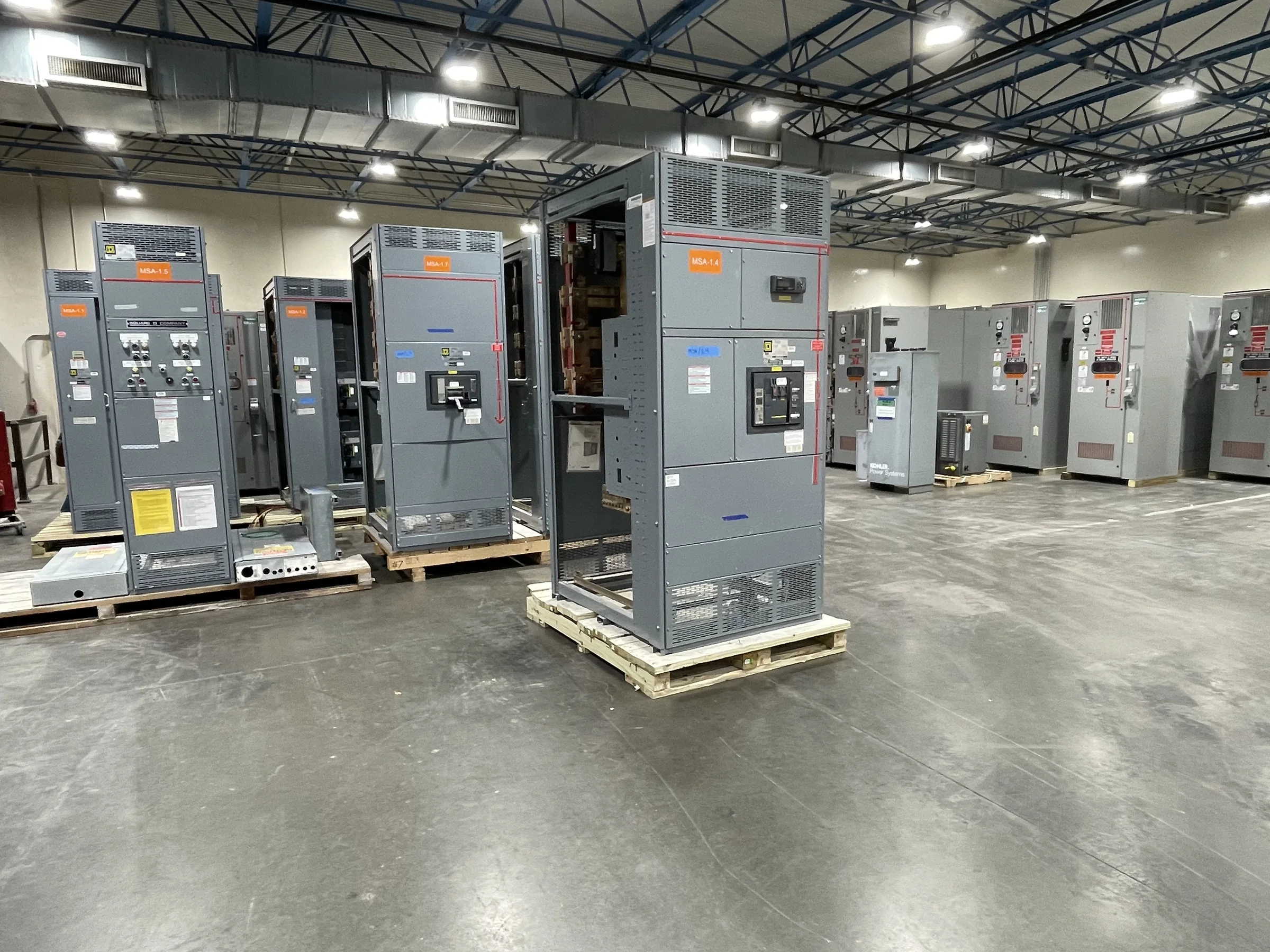
What an Enclosure Rating Describes
A switchgear enclosure rating describes how an enclosure is evaluated for specified environmental conditions and forms of protection; it does not, by itself, establish the electrical rating or interrupting capability of the equipment inside. For U.S. projects, the National Electrical Manufacturers Association (NEMA) enclosure-type designations are commonly used to identify intended protection against conditions such as dust, water, corrosion, or access to hazardous parts. The right designation depends on the actual installation and the applicable product standards. A rating should not be read as a promise that an assembly is suitable for every exposure listed in casual shorthand. For procurement, identify the environment and verify that the proposed complete assembly—not merely a component or enclosure shell—meets the specified requirements.
Choose for the Exposure at the Installation Site
Start with conditions the switchgear will experience during normal operation and maintenance, rather than choosing a rating based only on whether the equipment is indoors or outdoors. Consider rain direction, windblown dust, washdown practices, condensation, corrosive vapors, salt exposure, and the possibility of standing water. A covered outdoor location may still expose equipment to driven rain, while an indoor process area may involve frequent hose cleaning or chemical mist. Those distinctions matter because enclosure types address defined test conditions, not every combination of hazards. Document the location, nearby processes, cleaning methods, and seasonal extremes for the equipment supplier. If the exposure is uncertain or unusual, have the project engineer confirm the required enclosure type and construction before procurement.


Separate Enclosure Protection from Electrical Suitability
An enclosure rating does not confirm that switchgear is correctly sized, coordinated, or suitable for the electrical system. The project still needs to establish voltage, continuous current, available fault current, short-circuit withstand or interrupting requirements, grounding arrangement, and operating conditions. Thermal performance also matters: a more protective enclosure can affect heat dissipation, so equipment loading and the surrounding ambient conditions need review. Likewise, enclosure protection does not establish arc-resistance performance or authorize work while energized. Treat these as separate specification questions and require the equipment documentation to address each one. This prevents a common purchasing gap: an enclosure designation is copied into a request for quote while essential electrical and application requirements remain undefined.
Check Access, Layout, and Maintenance Needs
The enclosure must fit the site and support safe access to the equipment over its service life. Confirm available floor space, door swing, aisle and working clearances, cable entry locations, conduit routes, and the path from the receiving area to the final installation point. Review how doors, removable panels, lifting provisions, and ventilation features affect the stated enclosure construction; field modifications can compromise protection if they are not evaluated and properly executed. Maintenance teams should also consider whether the enclosure arrangement permits routine inspection and component replacement without obstructing adjacent equipment. Provide drawings or measured site information with the specification, and resolve conflicts before release for manufacture. A rating that suits the environment is not useful if the finished assembly cannot be installed or serviced as planned.
Specify the Rating and Supporting Documents
A useful purchase specification names the required enclosure type and explains the exposure behind it, rather than relying on phrases such as “weatherproof” or “dustproof.” Include the installation location, applicable project standards, equipment arrangement, electrical data, cable-entry expectations, and any special cleaning or corrosion concerns. Ask the manufacturer to identify the proposed enclosure construction and clarify how the offered assembly addresses the stated conditions. Review drawings, equipment schedules, and submittals for consistency; the enclosure designation should match across procurement documents and approved design records. For low-voltage switchboard assemblies, UL 891 may be relevant when applicable to the evaluated assembly, but it is not a blanket enclosure rating or a certification for all switchgear voltages. Confirm the required evaluation and labeling for the specific project.
Coordinate Build, Site Readiness, and Delivery
Enclosure choices can affect fabrication details, heat management, accessories, and the information needed to complete a custom build. Share the required rating early, alongside approved one-lines, equipment dimensions, site constraints, and any schedule milestones, so open questions can be resolved before manufacturing begins. Ask for a project-specific review of design compatibility, documentation, availability, and delivery planning; timing depends on the final scope and current requirements. Before shipment, verify that the receiving route, unloading method, storage location, and installation area can accommodate the specified assembly and protect it from damage or moisture. Keep the approved submittal and applicable installation instructions available to the electrical contractor and facility team. Final suitability, labeling, and delivery arrangements must be confirmed for the actual order.