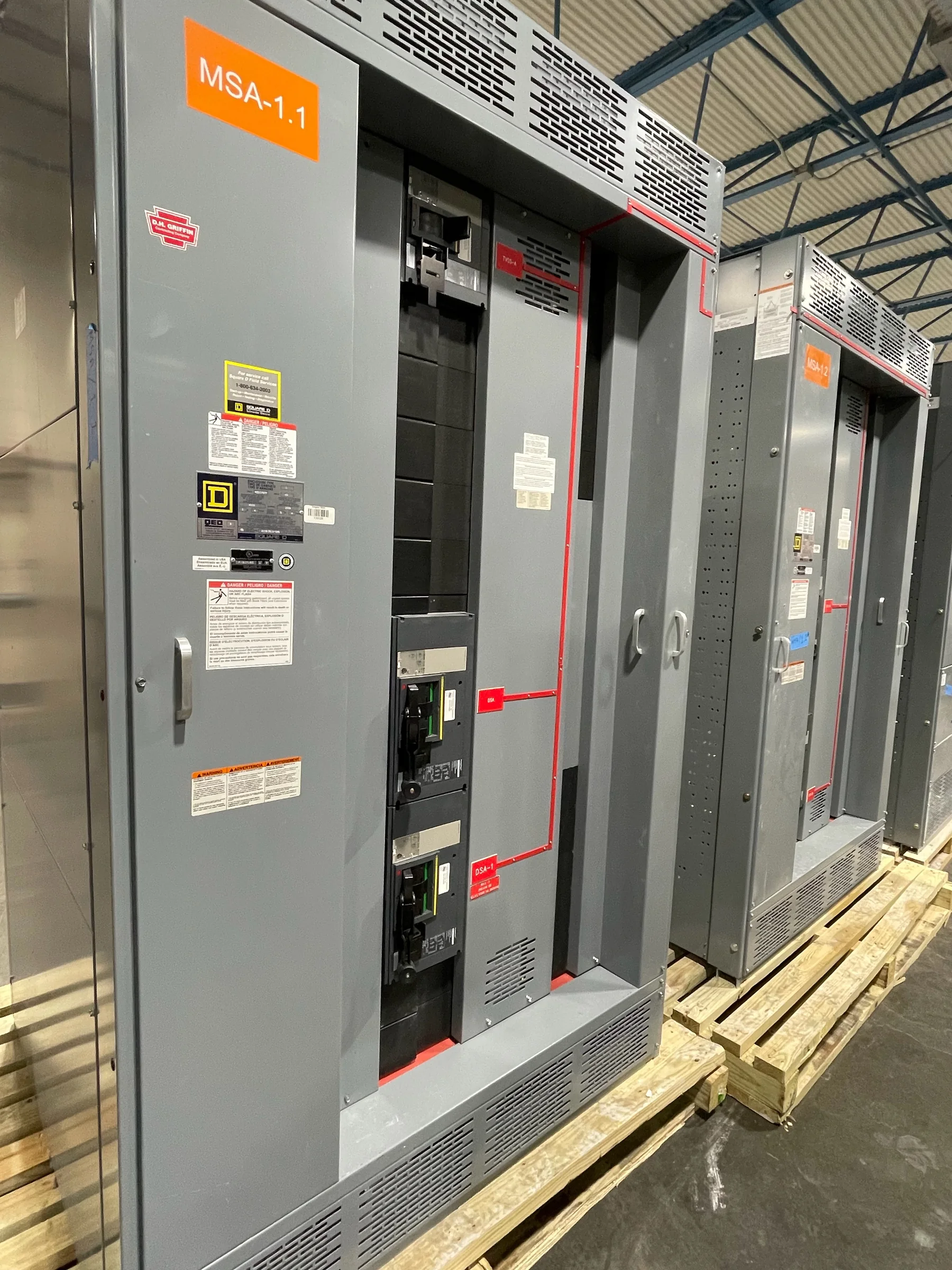
Define the Houston Project Before Selecting Equipment
Custom switchgear should start with the electrical system it must serve, not a catalog description. For a Houston facility, document the service voltage, available fault current, system grounding, source configuration, load types, and required distribution arrangement before requesting a proposal. Include existing one-lines and identify planned expansions, generator connections, utility interfaces, and critical loads. These details shape the equipment’s ratings, protective-device coordination, physical layout, and connection points; omissions can lead to redesign or field changes. Share the project’s applicable codes and owner standards, but have the engineer of record confirm requirements for the specific installation. A U.S. manufacturer can use this information to develop a custom configuration and clarify which details remain open before the design is released for review.
Match the Assembly to the Application and Standards
A switchboard and a medium-voltage switchgear lineup are not interchangeable names for the same assembly. The project’s operating voltage, fault duty, protection scheme, service conditions, and maintenance approach determine which equipment category is appropriate. For low-voltage switchboard applications, UL 891 may be relevant when the assembly is evaluated for that standard; it does not establish a blanket listing for every configuration or apply as a general certification for medium- or high-voltage equipment. Ask what evaluation, labels, and documentation apply to the proposed assembly, and verify them against the project specification. Houston-area facilities may include process loads, large motors, commercial distribution, or standby generation, each with distinct coordination needs. Confirming the application early helps prevent a technically unsuitable quote.


Resolve Ratings, Protection, and Future Capacity
Specify electrical ratings from verified system data rather than choosing values by habit. Available fault current at the equipment location, protective-device interrupting ratings, bus ratings, and system voltage all need to align with the engineered design. Protection settings and device selection should be coordinated with upstream and downstream equipment, especially where selective coordination or continuity of critical loads is required. Identify normal and emergency sources, transfer arrangements, metering, control power, and any communications interfaces that the scope calls for. If future capacity matters, state whether the goal is spare space, provisions for later devices, or a defined expansion plan; those options are not equivalent. These decisions affect lineup dimensions, internal arrangement, and cost, so they should be reviewed before drawings are approved for manufacture.
Plan the Physical Layout Around the Houston Site
A sound electrical design can still create installation problems if the equipment cannot reach its final location. Provide the proposed room layout, doorway and corridor dimensions, floor and housekeeping-pad details, overhead obstructions, cable-entry direction, and working-space constraints. In Houston, confirm the actual delivery route and site access rather than assuming a large truck can approach the electrical room: construction staging, security procedures, traffic controls, or limited unloading areas may affect coordination. Discuss shipment sections, lifting points, rigging responsibility, and whether the receiving team can handle the delivered configuration. Also verify indoor or outdoor placement and applicable environmental conditions with the design team. These checks do not substitute for engineered installation requirements, but they can reveal access conflicts while changes are still practical.
Coordinate Drawings, Reviews, and Procurement Milestones
A clear submittal package gives engineers and procurement teams a shared basis for approving a custom build. Identify the required one-line diagram, equipment arrangement, elevations, wiring diagrams, device schedules, bill of materials, and interface information in the project specification. Assign responsibility for reviewing utility requirements, protection settings, metering, control connections, and communications points; unresolved interfaces often surface late, when changes are harder to absorb. Establish the dates for approved submittals, release for manufacture, factory documentation, and site readiness, then ask the manufacturer to confirm the schedule for the actual scope. Short lead times may be offered, but timing depends on configuration, component availability, approvals, and other project-specific conditions. Written milestone assumptions help teams compare proposals without treating an estimate as a delivery guarantee.
Prepare for Delivery, Installation, and Future Service
Before placing an order, align the proposal with the purchase specification and record any exceptions, approved substitutions, exclusions, and open technical questions. Confirm shipping destination, receiving hours, unloading arrangements, packaging expectations, and who will inspect the shipment for visible damage or missing items. For a Houston-area project, coordinate arrival with the general contractor, electrical contractor, and site contact so equipment does not arrive before the room, access route, or storage area is ready. Preserve approved drawings, device data, settings records, and maintenance information for the facility team. Installation, testing, and energization must follow the approved design, applicable requirements, and qualified personnel’s procedures; equipment must be de-energized before work requiring a safe electrical work condition. Documenting these handoffs supports orderly commissioning and later troubleshooting.