Build a Quote Around the Electrical Design
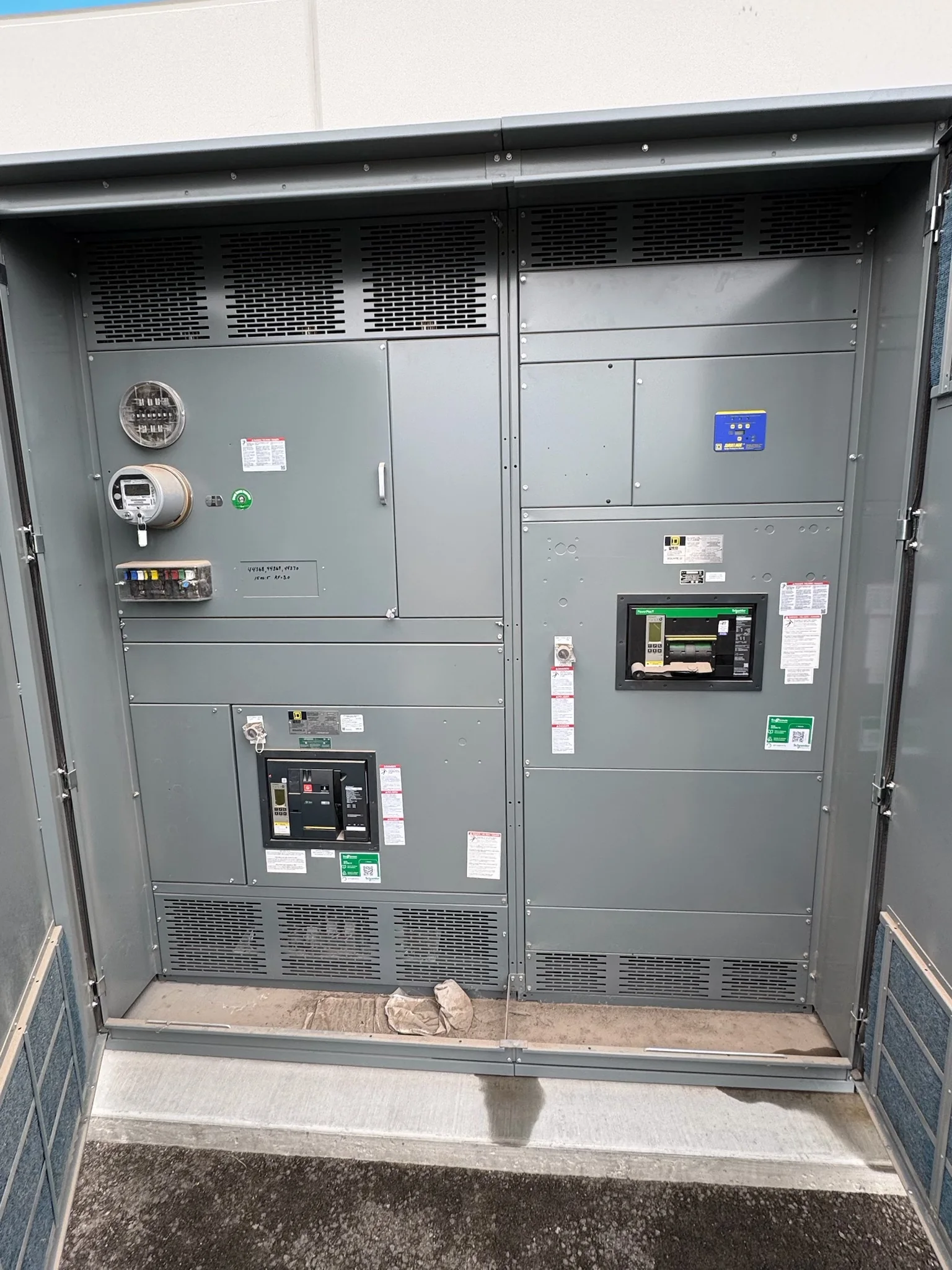
A useful switchgear quote begins with the system the equipment must serve, not a broad product label. Share the one-line diagram, service voltage, phase and wire configuration, available fault-current information, grounding method, and the intended role of each section. Identify main and feeder devices, protective functions, metering, control power, and any required communications. These details affect enclosure arrangement, bus design, device selection, and coordination with upstream and downstream equipment. If the design is still developing, mark assumptions and open decisions clearly so they can be reviewed rather than mistaken for approved requirements. Our U.S. manufacturing team can discuss a new, project-built assembly against that information; final ratings, compatibility, applicable standards, and any evaluation or labeling are confirmed for the specific design.
Resolve Ratings and Protection Before Release
Interrupting ratings, bus ratings, and protective-device settings are related decisions, but one should not be inferred from another. Provide the available short-circuit current at the equipment location and the study or utility information used to establish it. Include the overcurrent protection scheme and coordination requirements, especially where selective operation is important to process continuity. Changes to transformers, conductors, or upstream protective devices can alter the fault-current conditions at the switchgear, so an older study may not describe the present installation. Engineering review should reconcile the quote with the current one-line and fault-current data before equipment is released for manufacture. Exact ratings and device compatibility depend on the application. Where a low-voltage switchboard is involved, UL 891 applicability and evaluation are specific to the assembly; they do not establish a blanket listing for other equipment.


Account for League City Site Conditions
In League City, delivery planning should account for Gulf Coast weather, seasonal heavy rain, and the route from the receiving point to the electrical room. These conditions matter because a large assembly can be difficult to unload, protect from moisture, and move through a site once other trades have finished. Confirm whether the equipment will be received outdoors or under cover, how long it may wait before installation, and who is responsible for inspection at arrival. Verify door openings, corridors, turning clearances, floor capacity, and the path for rigging or material-handling equipment. Nationwide shipment can be coordinated around project requirements, but transit timing and site readiness are separate planning items. Identify access restrictions, receiving hours, unloading equipment, and weather-protection arrangements early; delivery details and availability are project-specific.
Specify the Room and the Complete Assembly
Room dimensions alone do not establish that switchgear will fit or remain serviceable. Send a plan showing walls, columns, doors, cable trenches, overhead obstructions, and the locations of existing or planned services. Note whether conductors enter from the top or bottom, where they terminate, and how much bending and working space the installation requires. Also document ventilation, ambient conditions, housekeeping-pad details, and any exposure to dust, moisture, or corrosive materials. These constraints can affect section layout, access to devices, enclosure selection, and installation sequence. If the project replaces existing equipment, provide its dimensions and connection arrangement, but do not assume a new assembly will match the old footprint or interfaces without engineering review. Confirm site clearances and applicable installation requirements with the project’s responsible electrical professionals.
Make Schedule and Procurement Assumptions Visible
When comparing quotes, distinguish manufacturing duration from drawing review, approval cycles, component availability, and transportation. A short stated lead time is useful only when its starting point and assumptions are clear. Ask what information is needed to begin design, when submittals are expected, what changes could affect the schedule, and which milestones require purchaser approval. Flag long-lead devices, specified manufacturers, special metering, control schemes, and required interfaces for early review; substitutions or late revisions may require technical approval and can change cost or timing. The manufacturer offers custom builds and short lead times, but no delivery period should be treated as guaranteed until project scope and availability are confirmed. Include the required ship-to point, target receiving window, and any restrictions on partial shipments in the quote request.
Submit a Quote Package That Supports Review
A coordinated quote package helps engineering, procurement, and facilities teams compare the same scope. Include the latest one-line diagram and equipment schedule, project location, service conditions, fault-current basis, feeder and main requirements, control and metering needs, and any approved component preferences. Attach site plans or photographs when access, replacement dimensions, or cable entry could affect the build. List the requested submittal documents, drawing format, review contacts, required standards, and any project-specific inspection or labeling expectations. Separate firm requirements from preferences and identify unanswered questions; this makes exclusions and assumptions easier to evaluate before purchase. For a League City installation, state the receiving address details through the project process, access hours, unloading responsibility, and desired delivery window. Request a quote for new equipment, with final scope, applicability, and delivery coordination confirmed for the project.