Define the Distribution Scope Before Requesting a Quote
For a Katy project, start with the electrical one-line diagram and the work the equipment must perform—not just a request for “custom switchgear.” Identify the source, service arrangement, main and feeder functions, connected loads, and whether the scope is a new installation, capacity change, or replacement. Include available fault-current information, system voltage, phase and wire configuration, and any coordination or selective-tripping objectives established by the project engineer. These details affect equipment selection, protective-device coordination, and the information a manufacturer needs to develop a useful proposal. If utility data or a fault-current study is still pending, flag that clearly rather than treating an estimate as final. Exact ratings and configuration depend on the completed design and project review.
Resolve Equipment Type, Ratings, and Standards Early
“Switchgear” can describe different equipment, and choosing the wrong category can create scope gaps or an installation that does not match the design. Confirm whether the application calls for low-voltage switchboards, medium-voltage metal-enclosed equipment, or another distribution assembly, then align the request with the project drawings and governing specifications. For a low-voltage switchboard, UL 891 may be relevant when the assembly is evaluated for that standard; it is not a blanket certification for medium- or high-voltage equipment. Ask the manufacturer to identify the proposed equipment type, applicable standards, and evaluation or labeling basis in the submittal documents. The project’s jurisdiction, owner requirements, and specified design determine what is applicable; verify these items before approval and procurement.


Make Existing-Site Dimensions Part of the Design
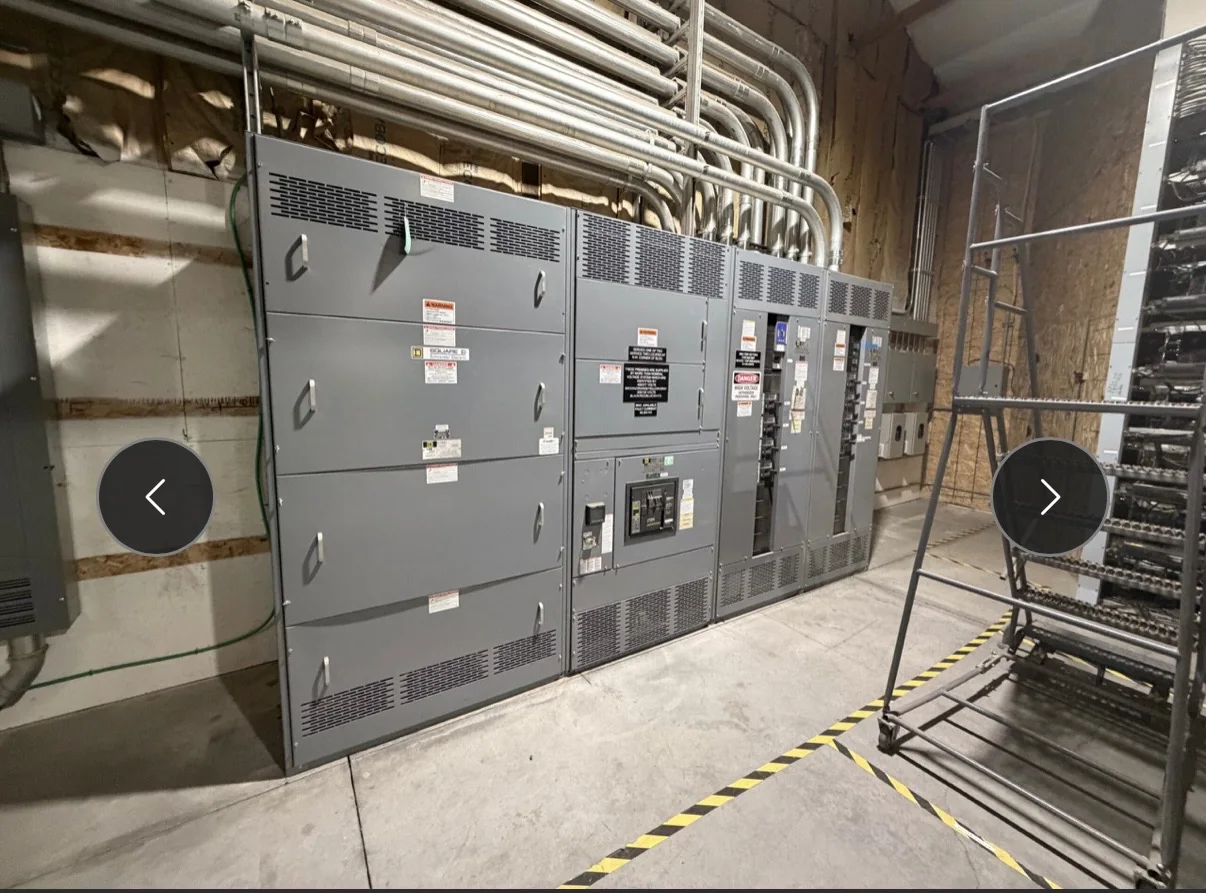
At an operating facility in Katy, a distribution upgrade can be constrained by the room as much as by the electrical design. Record the available wall and floor area, ceiling height, door and corridor clearances, equipment-room access, and the route from the delivery point to the final location. Check required working space, ventilation, cable entry, conduit positions, and space for future maintenance against the design documents and applicable codes. A lineup that fits on paper may still be difficult to move through a doorway or position without disrupting adjacent equipment. For replacement work, document existing enclosure dimensions and connection locations, but do not assume a new assembly is a direct fit. Confirm field measurements, layout, and interface details before release for manufacture.
Coordinate Drawings, Interfaces, and Approval Documents
A complete submittal review helps expose mismatches before equipment is built. Provide current one-lines, panel or feeder schedules, control schematics where required, specifications, and clearly marked connection requirements. Identify interfaces with transformers, generators, transfer equipment, protective relays, building controls, and upstream or downstream assemblies. Confirm which party supplies cables, lugs, control wiring, metering, and field terminations; unclear boundaries can leave installation tasks unassigned. Review the manufacturer’s drawings for dimensions, access, bus arrangement, device placement, and cable space against the engineer’s design and the actual room conditions. Record comments and resolve deviations through the project’s approval process. Requested documents and their level of detail depend on the equipment and contract, so establish submittal requirements before purchase.
Discuss Schedule and Delivery as Project Variables
A requested delivery date is useful only when it is considered alongside design maturity, review cycles, and site readiness. Tell the manufacturer when approved drawings are needed, when the room is expected to be available, and whether delivery must coordinate with a shutdown, crane, or other trades. Custom configurations and component selections can affect the production sequence; short lead times may be offered, but a schedule should be confirmed for the specific approved scope rather than assumed. Katy-area projects may involve coordinating transport through Houston-region roads, jobsite access rules, and limited unloading windows. Provide the delivery address, receiving hours, truck restrictions, unloading responsibility, and storage plan early. Confirm shipment timing and handling arrangements with the manufacturer and project team before equipment is released.
Plan Replacement Work, Startup, and Future Access
For a replacement or retrofit, document what must remain in service and what outage window the facility can support. The electrical contractor and responsible engineer should verify the isolation plan, existing connections, sequence of work, and acceptance requirements; installation and testing must follow approved procedures with equipment de-energized where required. Compare the proposed arrangement with existing cable lengths, conduit entries, grounding, control circuits, and protective-device settings so that differences are addressed before the outage. Also consider spare feeder positions, service access, labeling, and the records operations staff will need after turnover. Request applicable final drawings and equipment documentation as part of the purchase scope. Startup, testing, and commissioning responsibilities vary by contract and equipment; define them with the project team rather than assuming they are included.