Define the Electrical Duty Before Selecting the Assembly
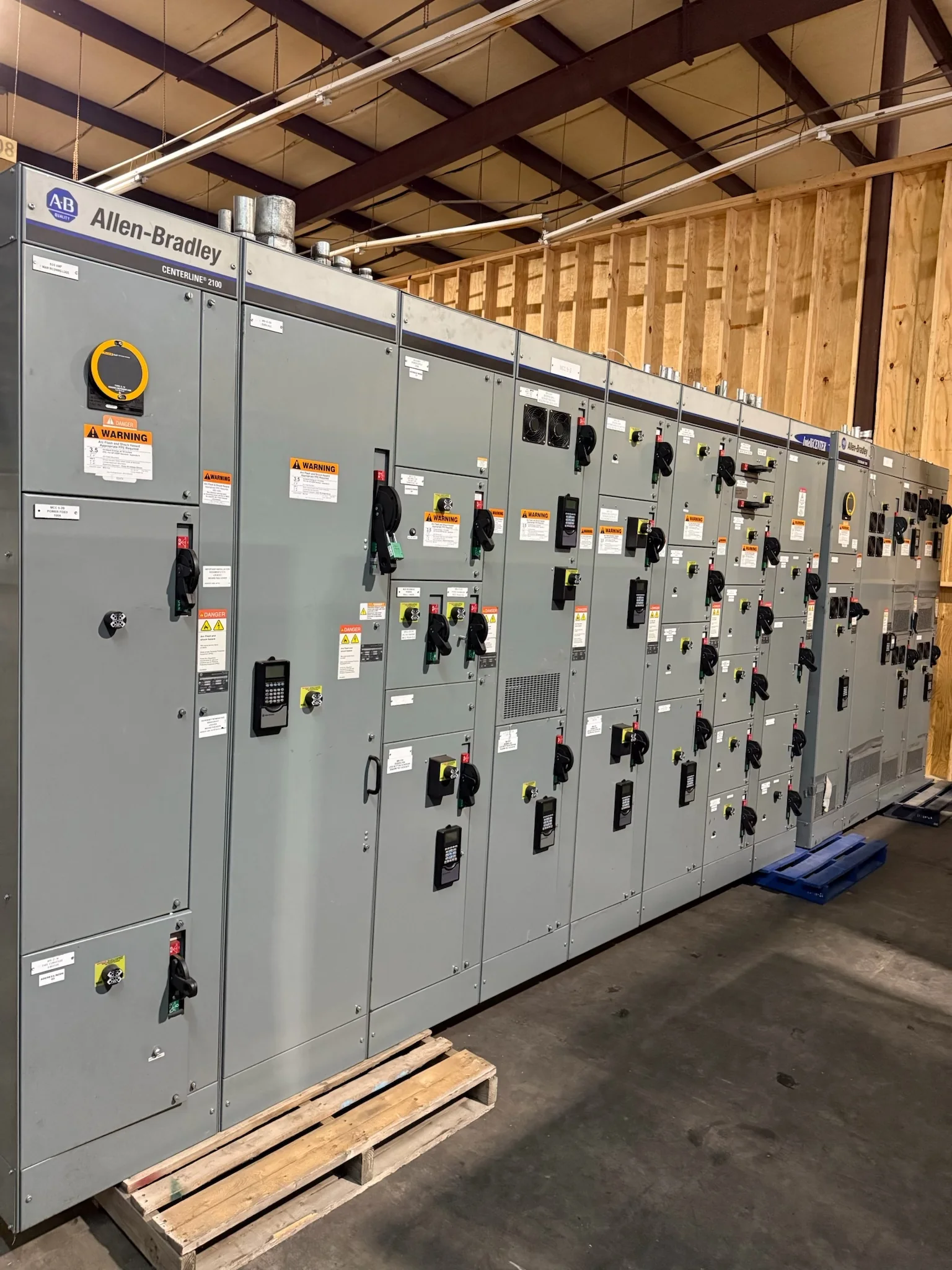
For a Sugar Land project, start with the one-line diagram and the system conditions the equipment must handle—not a preferred enclosure or a catalog description. Identify nominal voltage, phase and wire configuration, available fault current, main and feeder requirements, grounding method, and the intended load profile. These inputs shape bus ratings, protective-device selection, compartment arrangement, and whether a low-voltage switchboard or another type of assembly is appropriate. A short-circuit rating must be coordinated with the available fault current at the installation point; an assumed value can leave a design unsuitable for the actual system. Share utility data and upstream protective-device information early. The manufacturer can then review the requested configuration against project documents, flag missing inputs, and develop a quote based on a defined scope rather than guesswork.
Coordinate Protection, Loads, and Future Changes
A custom lineup should reflect how the facility will operate, not just the initial equipment schedule. Compare feeder loads, motor starting demands, transformer connections, and planned expansion with the electrical study and protection strategy. Selective coordination, arc-flash considerations, and interrupting ratings depend on the complete system and must be verified by qualified project professionals; they should not be inferred from breaker frame size alone. For a Sugar Land commercial or industrial facility, future tenant changes, added process equipment, or building expansions may affect spare feeder space and the value of provisions for later work. Clarify which circuits require metering, ground-fault protection, or special control interfaces. Recording these choices in the specification helps avoid a quote that appears comparable but omits functions necessary for the engineered application.


Resolve Layout and Access Before Releasing Drawings
Room dimensions are only one part of a workable installation. Confirm lineup width and height limits, working clearances, door swing, overhead obstructions, cable-trench or conduit entry, and the route from the receiving point to the electrical room. In Sugar Land, a delivery plan may need to account for active construction, controlled site access, weather exposure during unloading, and limited staging space; these conditions should be checked with the site team rather than assumed. Ask the project team to identify whether equipment must pass through doors, turns, elevators, or temporary openings, and whether rigging support is available. These details can influence shipping splits, section arrangement, and connection points. Early review matters because a lineup that meets the electrical specification can still create costly field modifications if it cannot be moved into place.
Make the Quote and Schedule Comparable
A useful purchasing package states what is included and what remains by others. Provide the specification, approved one-line diagram, equipment schedule, control and metering requirements, connection details, and any project-specific submittal forms. Identify the requested ship-to location, receiving hours, unloading responsibility, and any restrictions on truck access or delivery appointments. Discuss the requested need date with the manufacturer, but treat timing as project-specific: drawing review, approval cycles, component selection, and design changes can affect the production schedule. Ask which milestones are used for drawing release and fabrication, and what information is needed to confirm them. The manufacturer offers custom builds, American components, short lead times, and nationwide shipping; actual configuration, component availability, delivery terms, and schedule should be confirmed for the particular order before procurement decisions are finalized.
Review Submittals, Interfaces, and Applicable Standards
Before approving production drawings, check the equipment against the project documents line by line. Verify device types and settings basis, bus arrangement, neutral and ground provisions, metering, control power, labels, cable access, and interfaces with upstream and downstream equipment. Confirm dimensions and terminal locations with the installing contractor, since field conduit and cable plans may have been developed from earlier layouts. If the specified product is a low-voltage switchboard, determine whether UL 891 evaluation and labeling are required for that particular assembly; UL 891 should not be treated as a blanket certification for medium- or high-voltage equipment. Resolve exceptions in writing and keep the final approved drawings with the project record. This review matters because an overlooked interface or deviation can delay installation, testing, or acceptance even when the equipment itself has been built to the approved scope.
Plan Receiving, Installation, and Closeout
Set responsibilities for delivery and site readiness before the equipment leaves the manufacturer. Confirm the delivery window, truck and unloading arrangements, protection from rain and construction debris, storage conditions, and a safe path to the electrical room. Sugar Land sites may have busy access roads, scheduled construction activity, or limited laydown areas, so coordinate the carrier, general contractor, and facility contact rather than relying on an open-ended arrival. At installation, qualified personnel should follow the approved drawings, applicable codes, and manufacturer instructions, with equipment de-energized and appropriate safety procedures in place. Include required inspection, testing, commissioning, and owner training in the project scope, assigning each task to a responsible party. Closeout should retain final drawings, device information, operating and maintenance documents, and approved test records so future service teams can understand the installed configuration.