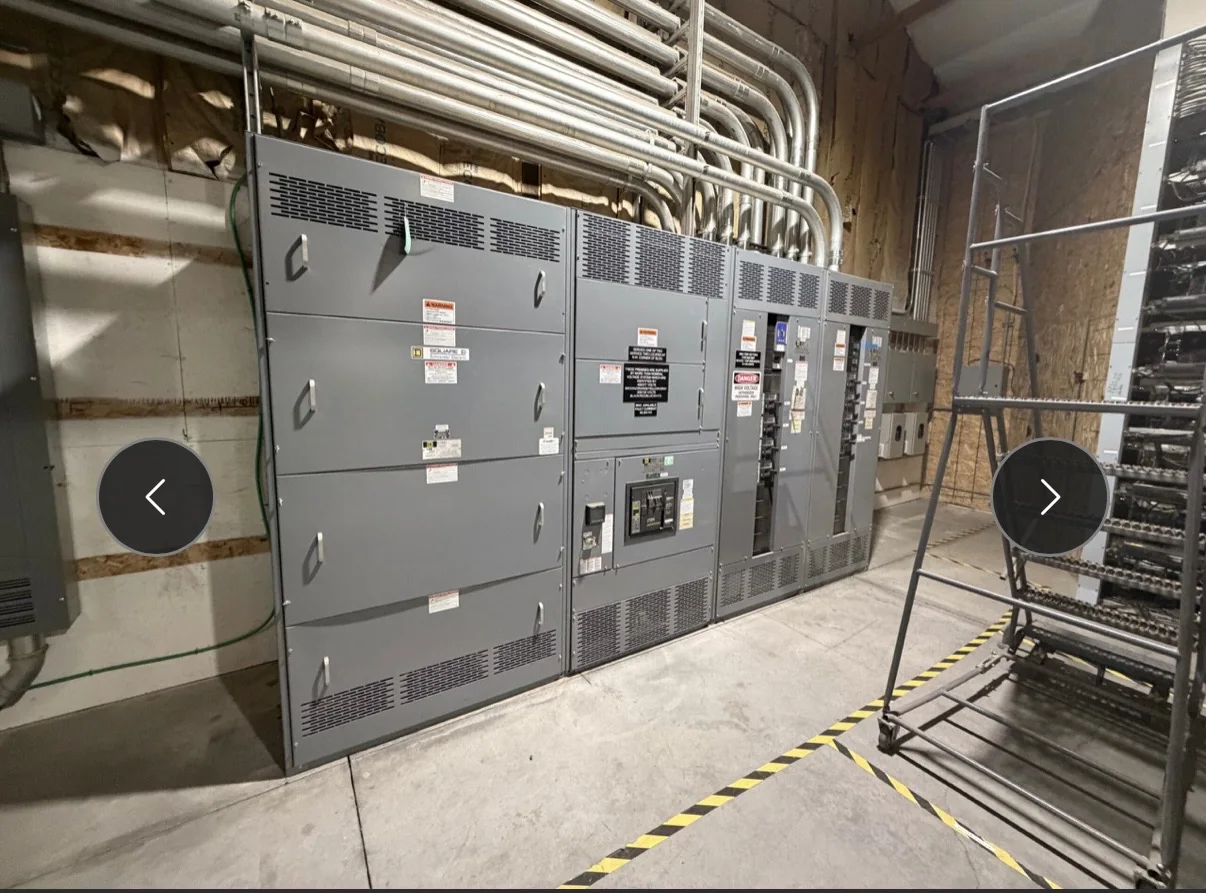
Specify a Switchboard for Texas City’s Industrial Loads
Texas City facilities may serve process equipment, pumps, compressors, motor control centers, lighting, and building services from a common distribution system. Start with a current one-line diagram and load information, then identify the source voltage, system grounding, available fault current, main and feeder requirements, and planned future loads. These details affect bus ratings, protective-device selection, enclosure configuration, and whether a low-voltage switchboard is appropriate for the application. Do not assume that an existing lineup’s nameplate or breaker frame alone defines a suitable replacement. A manufacturer can review the project requirements and develop a new assembly around them. Final ratings, device coordination, and compatibility depend on verified site data and the applicable project specifications.
Account for Heat, Humidity, and the Installation Environment
The Gulf Coast environment makes it important to document where the equipment will operate, not just where it will be delivered. Texas City sites may have outdoor exposure, humid air, airborne contaminants, washdown areas, or nearby process conditions that influence enclosure construction and equipment placement. Record whether the switchboard will be installed indoors or outdoors, the expected ambient conditions, ventilation constraints, and any project requirements for corrosion resistance or ingress protection. These conditions can affect equipment life and may constrain available configurations. A room with limited cooling or restricted airflow also deserves attention during specification review. State the environmental requirements early so the proposed assembly can be evaluated for the actual installation rather than a generic electrical room.


Check Compatibility Before Planning a Replacement
Replacing a switchboard involves more than matching its footprint. Confirm the existing system voltage, phase and wire configuration, bus arrangement, incoming connections, feeder quantities, protective-device functions, and available space for cable bending and termination. Review the existing one-line diagram and equipment labels, but verify field conditions because drawings may not reflect later modifications. If the project retains downstream equipment, document its ratings and connection details so engineers can assess interface requirements. A new lineup may require changes to conduit entries, conductors, or distribution plans even when it serves the same loads. Compatibility should be confirmed by qualified project personnel before purchase; an assumed match can lead to redesign, installation delays, or equipment that does not serve the intended system.
Coordinate Delivery Around Texas City Site Access
Delivery planning should account for the route from the receiving point to the final electrical room. Texas City projects may involve controlled industrial-site access, scheduled receiving windows, escorts, security procedures, limited staging, or restrictions on truck size and unloading equipment. Share the delivery address, site contact process, receiving hours, unloading responsibility, and any gate or vehicle requirements during quotation and order review. Also check door clearances, corridors, turning space, floor capacity, and the planned handling path for each shipping section. These details matter because a lineup that reaches the property may still be difficult to move safely into position. Nationwide shipping can be coordinated with project needs, but delivery arrangements and equipment configuration must be confirmed for the specific site.
Prepare Drawings and Submittals for Project Review
A complete specification package helps the manufacturer and project team resolve questions before release for construction. Provide the one-line diagram, electrical specifications, equipment schedules, site conditions, available fault-current information, load data, and any required protective-device or metering functions. Identify who will review drawings and submittals, what documents are required, and which decisions need approval before fabrication. For a new low-voltage switchboard assembly, UL 891 may be relevant when the assembly is appropriately evaluated to that standard; it should not be treated as a blanket certification for every product or voltage class. Listing requirements, standards, drawings, and test documentation are project-specific. Clarifying them early reduces the risk of late revisions, mismatched expectations, and procurement gaps.
Discuss Timing, Scope, and Manufacturer Support Early
A realistic procurement plan starts with a defined scope, not an assumed delivery promise. Ask the U.S. manufacturer to review the requested configuration, component selections, drawing milestones, approval responsibilities, and shipping expectations against the project schedule. Custom construction and American components may be available as part of the offering, while actual configuration, component availability, and timing depend on the approved design and current project conditions. Identify outage windows, temporary-power plans, commissioning interfaces, and coordination with electricians or other trades before setting a required-on-site date. Specify whether the purchase covers only the new switchboard or includes separately defined engineering or field work. Confirm commercial terms, submittal requirements, and delivery details in the quotation and order documents; exact scope and availability require project-specific confirmation.