Specify Equipment Around the Conroe Facility
A switchgear package should start with the facility’s electrical requirements, not a catalog label. For a Conroe project, document the service voltage, available fault current, load profile, grounding arrangement, system configuration, and whether the equipment serves a new installation or replaces existing gear. These details influence the assembly’s design and help the manufacturer identify information that still needs confirmation. Include one-line diagrams, load schedules, protective-device requirements, and any applicable project specifications with the quote request. If the utility or engineer has not finalized a value, mark it as pending rather than assuming a standard rating. That distinction matters: an early, visible gap can be resolved during engineering review, while an undocumented assumption can cause redesign, schedule pressure, or field-interface problems.
Choose the Right Equipment Category and Scope
Low-voltage switchboards and medium-voltage switchgear serve different system conditions, so a project description should identify the intended equipment class and boundaries of supply. Clarify whether the request includes the main assembly only or also specifies metering, protective devices, controls, service-entrance features, or coordination with adjacent equipment. UL 891 applies to appropriately evaluated low-voltage switchboard assemblies; it is not a blanket certification for medium- or high-voltage equipment. State any required standards, labels, or owner criteria in the procurement documents so they can be reviewed against the proposed configuration. This prevents a common scope mismatch: equipment may appear similar in a budget description yet differ in construction, evaluation, interfaces, and intended application. Final applicability depends on the specific design and project requirements.


Review Existing Gear Before Planning a Replacement
For replacement work, collect nameplate photographs, existing drawings, enclosure dimensions, bus and cable termination details, and the location of incoming and outgoing conduits before selecting a new assembly. Older Conroe-area facilities may have been modified over time, leaving field conditions that do not match the original drawings. Recording those differences helps the engineering team assess footprint, access, connection points, and what must be verified on site. Also identify the shutdown window and the party responsible for confirming system isolation and safe work procedures; installation planning must not assume energized work is acceptable. Where dimensions or interfaces remain uncertain, arrange appropriate field verification before releasing final drawings. This diligence matters because a replacement that cannot align with the existing room or connections can turn a planned outage into additional construction and coordination.
Coordinate the Equipment Room and Site Interfaces
Room access can shape an otherwise sound equipment selection. Confirm door and corridor clearances, turning space, floor capacity, working space, ceiling obstructions, ventilation conditions, and the route from the receiving point to the final location. In Conroe, storms and heavy rain can complicate outdoor staging or access, so the project team should establish where a shipment can be received and protected rather than assuming equipment can wait outside. Document the intended installation orientation and identify nearby piping, structural steel, and other services that could interfere with placement or maintenance. These checks help align the equipment footprint with the actual facility and its operating needs. They also give the manufacturer and site team useful constraints early, when layout adjustments are easier than after fabrication or delivery.
Set a Realistic Schedule Through Submittal Review
A useful schedule separates design decisions, submittal review, approval, production planning, shipping, and site readiness instead of treating delivery as a single date. Share the required in-service milestone, approval deadlines, and any outage restrictions when requesting a quote. Custom builds and American components may be available, and short lead times may be offered, but timing depends on the final design, component availability, approvals, and current production conditions. Ask which customer decisions must be closed to release the approved configuration, and identify who can respond to technical questions. This matters because late changes to ratings, devices, or connection details can affect drawings and procurement. Confirm the project-specific schedule and assumptions with the manufacturer; do not rely on an unverified delivery estimate as a guaranteed commitment.
Plan Delivery and Preserve Project Records
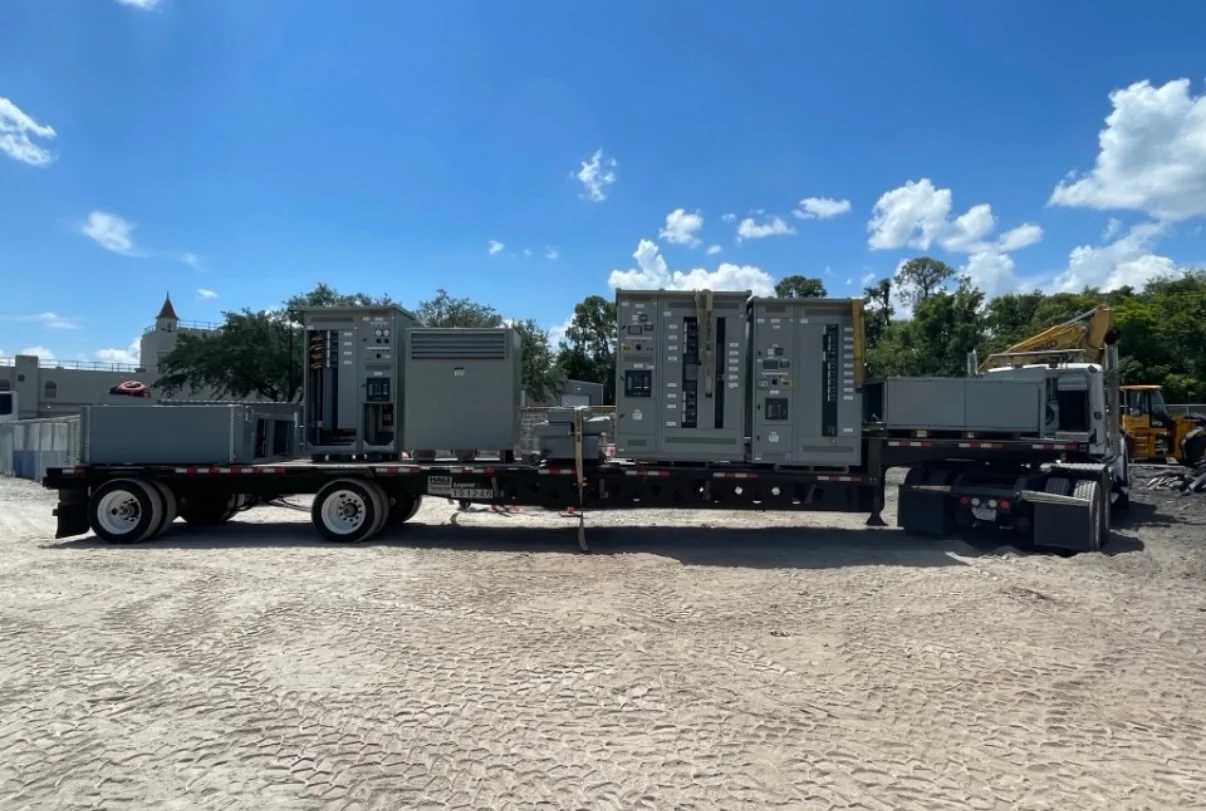
Nationwide shipping can support a Conroe installation, but the receiving plan still needs to fit the site. Confirm the delivery address, receiving hours, unloading responsibility, truck access, equipment handling arrangements, and any restrictions on staging or storage. Coordinate shipment timing with construction progress so an assembly does not arrive before the room, access route, or protected storage area is ready. Keep approved drawings, equipment schedules, submittal responses, and shipping records together, then compare delivered nameplate information and supplied documentation with the approved project package. Resolve discrepancies with the responsible project parties before installation. A clear record set helps procurement, engineering, and facility staff track what was specified and supplied, while practical delivery coordination reduces the risk of damage, missed receiving windows, or avoidable site delays.