Define the Pearland Project Before Selecting Equipment
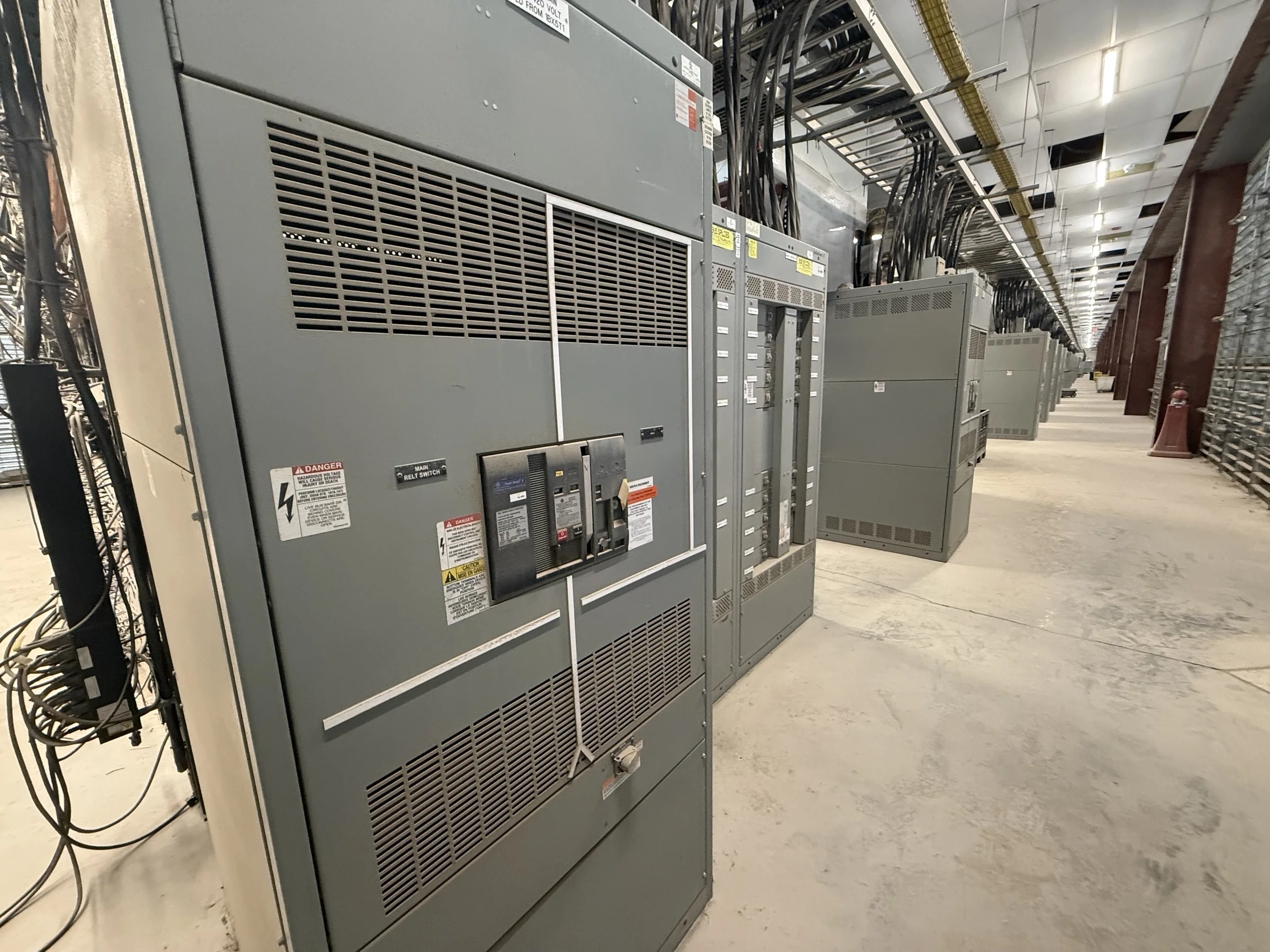
For a new facility, expansion, or planned replacement in Pearland, start by describing what the switchgear must serve and how it fits into the larger distribution system. Gather the one-line diagram, available fault-current information, system voltage, phase and frequency, grounding method, and expected load profile. Identify the source transformer or upstream device and the downstream feeders, motors, and other major loads. These details influence bus arrangement, protective-device selection, interrupting requirements, metering, and enclosure configuration; a mismatch can complicate coordination or prevent the assembly from connecting as intended. Mark which information is confirmed and which remains preliminary. A manufacturer can review the project requirements and discuss a new, custom-built assembly, but final ratings and compatibility depend on complete engineering review.
Resolve Protection, Coordination, and System Interfaces
A switchgear specification should describe how protection works across the system, not simply list breaker frame sizes. Provide available fault-current values at the equipment location, upstream and downstream protective-device information, and any coordination or arc-flash study requirements. Where motor starting, transformer inrush, generator operation, or multiple utility sources affect the design, explain those operating conditions early. The engineer of record should establish protection settings and coordination objectives; equipment selection alone cannot establish a safe system. Confirm how control power, auxiliary contacts, metering, communications, and interlocks must interface with existing or planned equipment. Missing interface details can trigger drawing revisions or field modifications. Document assumptions and identify who will approve final diagrams, settings, and submittals before fabrication proceeds.


Build a Submittal Package That Supports Review
Procurement teams can reduce review delays by issuing a coordinated specification package rather than relying on a product description alone. Include the project one-line, equipment schedule, applicable electrical specifications, site conditions, preferred manufacturers or approved-equal rules, and required deviations. Request the proposed general arrangement, dimensions, electrical ratings, device schedule, wiring diagrams, and bill of material as appropriate to the project. Reviewers should check bus configuration, cable entry and exit, access clearances, lifting provisions, control wiring, and connections to adjacent equipment against the building and electrical plans. Record comments by drawing number and revision so obsolete information is not approved inadvertently. Applicable standards and evaluation requirements must be identified for the specific assembly; UL 891 relates to appropriately evaluated low-voltage switchboard assemblies, not every type of switchgear.
Plan Installation Around Pearland Site Conditions
Pearland-area projects may involve active industrial sites, commercial campuses, or construction zones where equipment access is constrained by gates, turning paths, overhead obstructions, and scheduled work windows. Verify the route from unloading point to the electrical room, including door openings, corridors, floor capacity, slopes, and available staging space. Compare the proposed lineup dimensions and shipping sections with the room layout and the approved rigging plan before equipment is released. Also check working clearances, ventilation, environmental exposure, and the location of cable trenches or conduits. A room that fits the equipment on paper may still prevent safe positioning or future servicing. Provide current site drawings and access restrictions during quoting, then coordinate the final delivery route and receiving responsibilities with the site team.
Discuss Timing, Components, and Delivery Early
A realistic purchasing schedule starts with the date the project needs approved drawings, not only the desired arrival date. Identify when technical decisions will be frozen, who can approve submittals, whether phased shipments are acceptable, and when the electrical room will be ready to receive equipment. Ask the manufacturer to confirm current component availability and the schedule basis for the specific configuration; custom selections, review cycles, and revisions can affect timing. Do not treat a preliminary estimate as a guaranteed delivery commitment. The manufacturer offers American components, custom builds, short lead times, and nationwide shipping, while exact availability and timing remain project-specific. For Pearland delivery, confirm the receiving contact, unloading equipment, appointment requirements, staging limits, and procedures for reporting visible shipment damage.
Prepare for Commissioning, Turnover, and Future Service
Before release, assign responsibility for checking approved drawings against the final equipment schedule, site connections, and field installation plan. The project team should establish what factory documentation, inspection records, operating instructions, and test information are required by the contract and applicable specifications; do not assume a particular test, rating, or listing without confirmation for the proposed assembly. At site, qualified personnel should verify installation and system interfaces, complete required inspections and testing, and keep equipment de-energized during work that requires it. Coordinate energization only under the project’s approved procedures. Turnover records should preserve final as-built diagrams, protective-device information, approved settings, spare-parts details, and maintenance guidance. Clear documentation helps facility staff troubleshoot changes later and supports an orderly handoff from construction to operations.