Define the Equipment Before Requesting a Quote
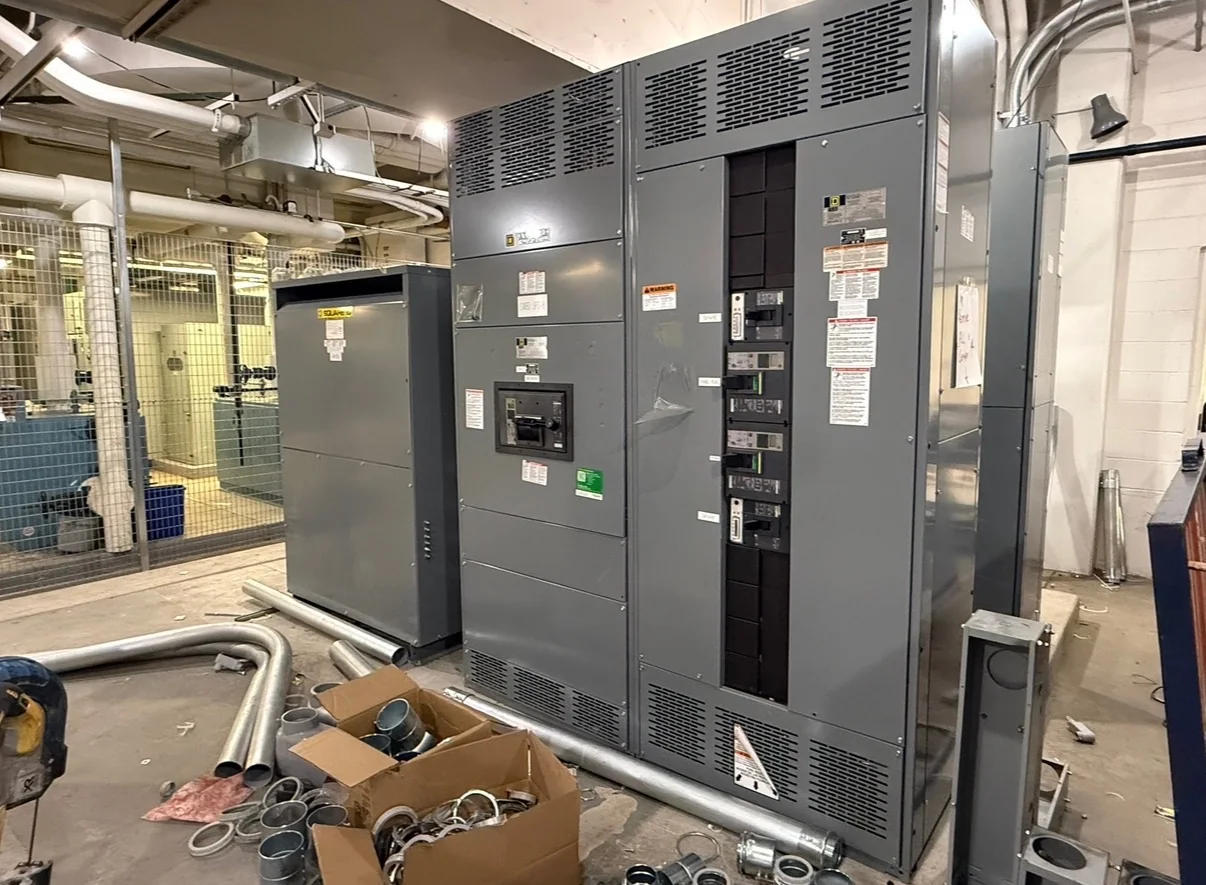
Start with the equipment’s function and system boundaries: a low-voltage switchboard, medium-voltage lineup, service entrance assembly, or replacement section may serve different purposes and follow different evaluation requirements. Identify the source and destination of power, nominal system voltage, phase, frequency, and the loads or downstream equipment involved. Include the required continuous current and available fault-current information when known, but have the responsible engineer confirm values and coordination assumptions. These details matter because a quote based only on an ampere rating can miss essential differences in bus arrangement, protective devices, metering, or enclosure construction. If the project includes multiple distribution points, label each lineup and its role rather than combining unlike equipment into one generic request.
Send Drawings and Site Information That Resolve Fit
Attach the latest one-line diagram, electrical plans, equipment schedules, and relevant control or sequence notes; mark revisions and identify documents that are preliminary. For replacement work, provide existing nameplate data, photographs, dimensions, cable or bus connections, and the available installation opening, while avoiding assumptions that an old footprint guarantees compatibility. Record room access, door and aisle clearances, overhead obstructions, floor conditions, and the path from receiving area to final position. These constraints can affect section dimensions, shipping splits, lifting access, and whether field modifications are practical. Where drawings conflict with field conditions, list the discrepancy and request confirmation before the equipment is finalized. Clear inputs reduce redesign risk and help the manufacturer identify unanswered questions early.


Clarify Ratings, Protection, and Applicable Standards
Ask the project engineer to define the required voltage class, bus ratings, short-circuit or interrupting requirements, grounding arrangement, and protective-device functions. Specify whether metering, communications, control power, arc-energy reduction features, or integration with an existing protection scheme is required; each can influence layout and coordination. Provide the system study or the assumptions that will govern equipment selection, and identify the authority having jurisdiction and project standards where applicable. A UL 891 evaluation applies to qualifying low-voltage switchboard assemblies, not automatically to medium- or high-voltage equipment or every configuration. Request confirmation of the proposed assembly’s applicable evaluation and documentation rather than treating a standard as a blanket label. Final ratings, compatibility, and compliance must be reviewed for the specific project.
Compare the Quote Beyond the Bottom-Line Price
Review each proposal against the same scope: equipment lineup, section arrangement, included devices, metering, controls, accessories, finish, and stated documentation. Check exclusions carefully, especially field wiring, transition sections, bus connections, startup services, testing, or demolition, because a low initial figure can omit work needed to complete the installation. Confirm whether the quoted design is based on the drawings and revisions supplied, and ask the manufacturer to identify assumptions or deviations in writing. For replacement projects, verify that the proposed connection points and interfaces are supported by available information, not just by a similar catalog description. A consistent comparison makes cost differences meaningful and gives procurement, engineering, and construction teams a shared basis for resolving scope before release.
Discuss Build Timing and Approval Milestones
Treat timing as a sequence of project decisions, not simply a delivery date. Ask what information is needed to develop submittals, when engineering review must be completed, and which approvals release the build. Identify long-lead or project-selected components, required inspection points, and any customer-furnished devices that could affect integration. A short manufacturing lead time, when offered, does not remove time needed for drawing review, revisions, production, or site readiness; confirm the schedule against the actual configuration and current availability. Establish who can approve technical changes and how revised documents will be tracked. This is especially important when construction dates are fixed, because late changes to protection, dimensions, or connections can force rework or disrupt coordinated installation activities.
Plan Delivery, Receiving, and Installation Handoffs
Before placing the order, align shipping assumptions with the site’s receiving capacity and installation plan. Confirm the delivery destination, receiving hours, unloading responsibility, access restrictions, laydown space, and whether equipment must arrive in sections to pass through the route. Nationwide shipping does not by itself establish a delivery appointment, unloading method, or site handling capability; define these responsibilities in the project scope. Ask for the shipping configuration and handling documentation needed by the rigging and construction teams, then compare it with door clearances, lift capacity, and the planned path. Coordinate arrival with a prepared, safe work area and qualified personnel. Confirm that installation, inspection, and energization will follow approved plans and applicable procedures, with equipment de-energized for work requiring it.