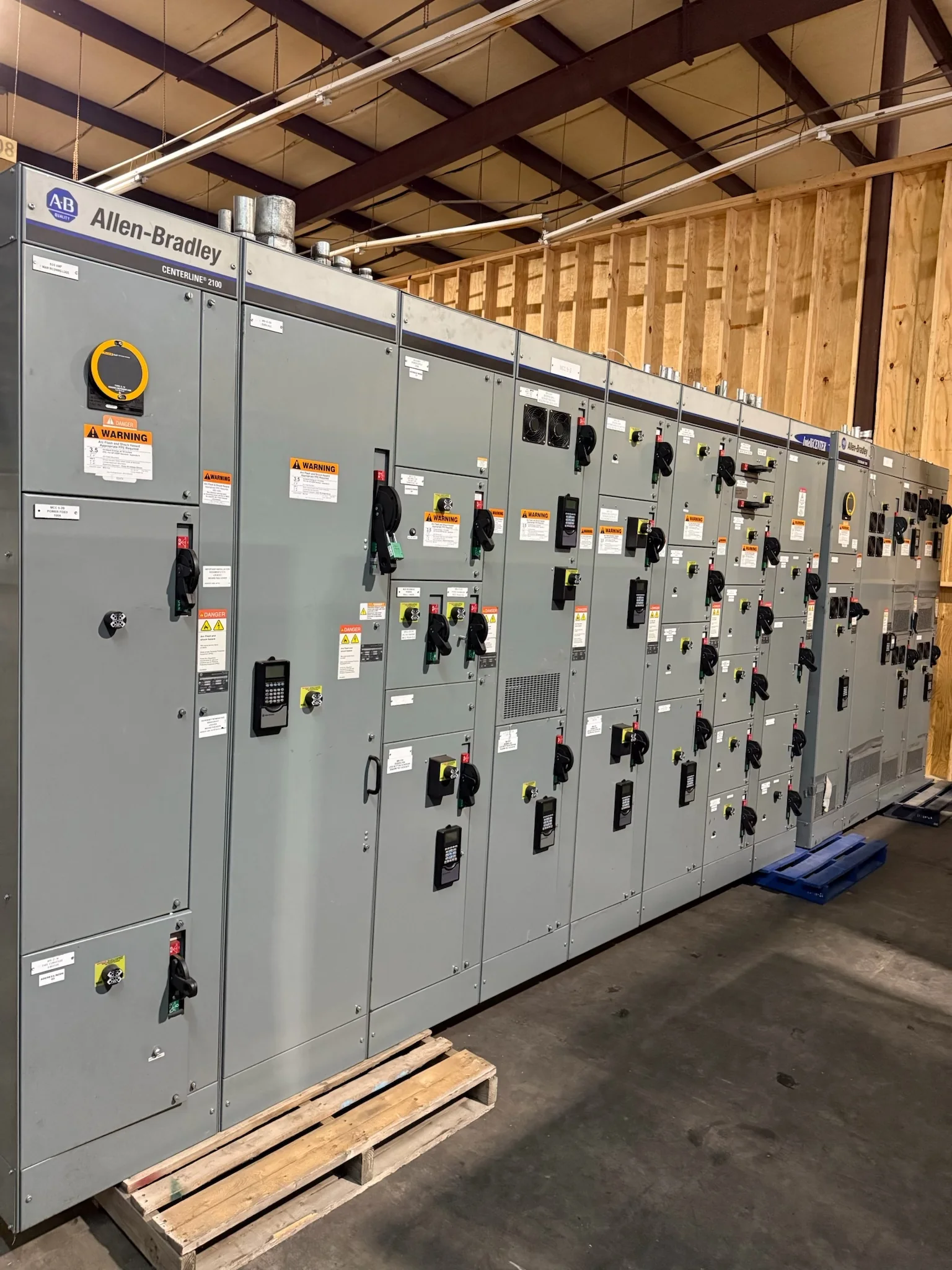
Start the Pricing Request With the Application
A useful switchgear pricing request begins with the electrical system the equipment must serve, not just a product name. Identify whether the project involves a new service, capacity expansion, replacement, or a change in distribution arrangement. Include the nominal system voltage, phase, frequency, and available fault-current information when known, along with the source and downstream loads. These details help determine which equipment category and design questions need review; they do not, by themselves, establish a final rating or configuration. For replacement work, describe the existing equipment and the reason for the change, such as condition, altered load, or an upcoming facility upgrade. Clear application context reduces avoidable assumptions and gives the manufacturer a sound basis for discussing scope, pricing, and project-specific compatibility.
Provide the Details That Shape the Configuration
Pricing depends on how the assembly is expected to function and connect with the rest of the distribution system. Describe the required sections, incoming and outgoing connections, protective devices, metering, controls, and any provisions for future circuits that are part of the project scope. A one-line diagram is especially useful because it shows relationships between the source, bus, protective devices, and loads; equipment schedules and control diagrams can resolve details the one-line leaves open. Share conductor-entry direction, cable or bus connections, and interface requirements where these are already defined. If the design is still developing, identify assumptions and open decisions rather than presenting them as settled. Configuration choices affect both equipment cost and coordination, so the quote should reflect the actual design basis as far as it is known.


Check Existing-Equipment Compatibility Before Replacement
For a replacement or retrofit request, document the installed equipment before settling on a proposed substitute. Provide manufacturer and model information if available, nameplate photographs, overall dimensions, compartment details, bus arrangement, and the location of cable entries and control connections. A similar-looking lineup is not proof of electrical or mechanical interchangeability: connection geometry, protective-device characteristics, clearances, and the existing system design all matter. Include the reason the equipment is being replaced and any planned changes to loads, service conditions, or operating sequence. This information lets engineering review identify what may require modification or field verification. Do not assume an existing footprint or breaker designation guarantees fit. Confirmed interface requirements are important for realistic pricing, installation planning, and avoiding unexpected work at the site.
Set a Realistic Schedule and Delivery Plan
Ask about timing early, but distinguish the date pricing is needed, the target date for approved drawings, the required ship date, and the planned installation window. Custom-built switchgear requires project-specific design and review, so incomplete specifications or delayed approvals can affect the schedule as well as the final cost. State any outage window, construction milestone, or phased delivery constraint, and identify who will approve drawings and resolve technical questions. For delivery, give the destination and explain site access, receiving hours, unloading capability, staging space, and any restrictions on truck size or delivery appointments. Nationwide shipping is offered, but the practical delivery plan depends on the destination and project conditions. Treat dates as planning targets until scope, approvals, availability, and shipping arrangements are confirmed.
Send Drawings, Standards, and Approval Requirements
A complete request should include the documents that define both the electrical design and the purchasing process. Attach the latest one-line diagram, equipment schedule, applicable specifications, site layout, and existing-equipment records; mark revisions so reviewers can tell which files govern. Identify required submittals, drawing formats, review milestones, closeout documents, and any owner or consultant standards that apply. If a project specifies UL 891, clarify the intended low-voltage switchboard assembly and the exact evaluation or labeling requirement; that standard is not a blanket certification for medium- or high-voltage equipment. Listing, ratings, standards, and applicability must be confirmed for the specific assembly and project. Calling out document and compliance requirements early helps expose scope gaps before quotation and supports a cleaner technical review.
Compare the Quote With Installation Conditions
When reviewing a quote, check that the stated scope matches the project documents and explicitly note exclusions, assumptions, unresolved selections, and any work assigned to others. Confirm proposed dimensions and connection details against the electrical room, access route, door openings, housekeeping pads, overhead clearance, and cable routing. Environmental conditions such as indoor or outdoor placement, moisture, dust, temperature, and corrosive exposure can influence enclosure and installation requirements; describe the actual site rather than assuming a standard environment. Also coordinate protective-device settings, grounding, metering interfaces, and control wiring with the responsible design team. A U.S. manufacturer can discuss new equipment, American components, custom builds, and delivery options, but the final design, availability, pricing, and schedule remain project-specific. Resolve discrepancies before release and plan installation and commissioning with qualified personnel.