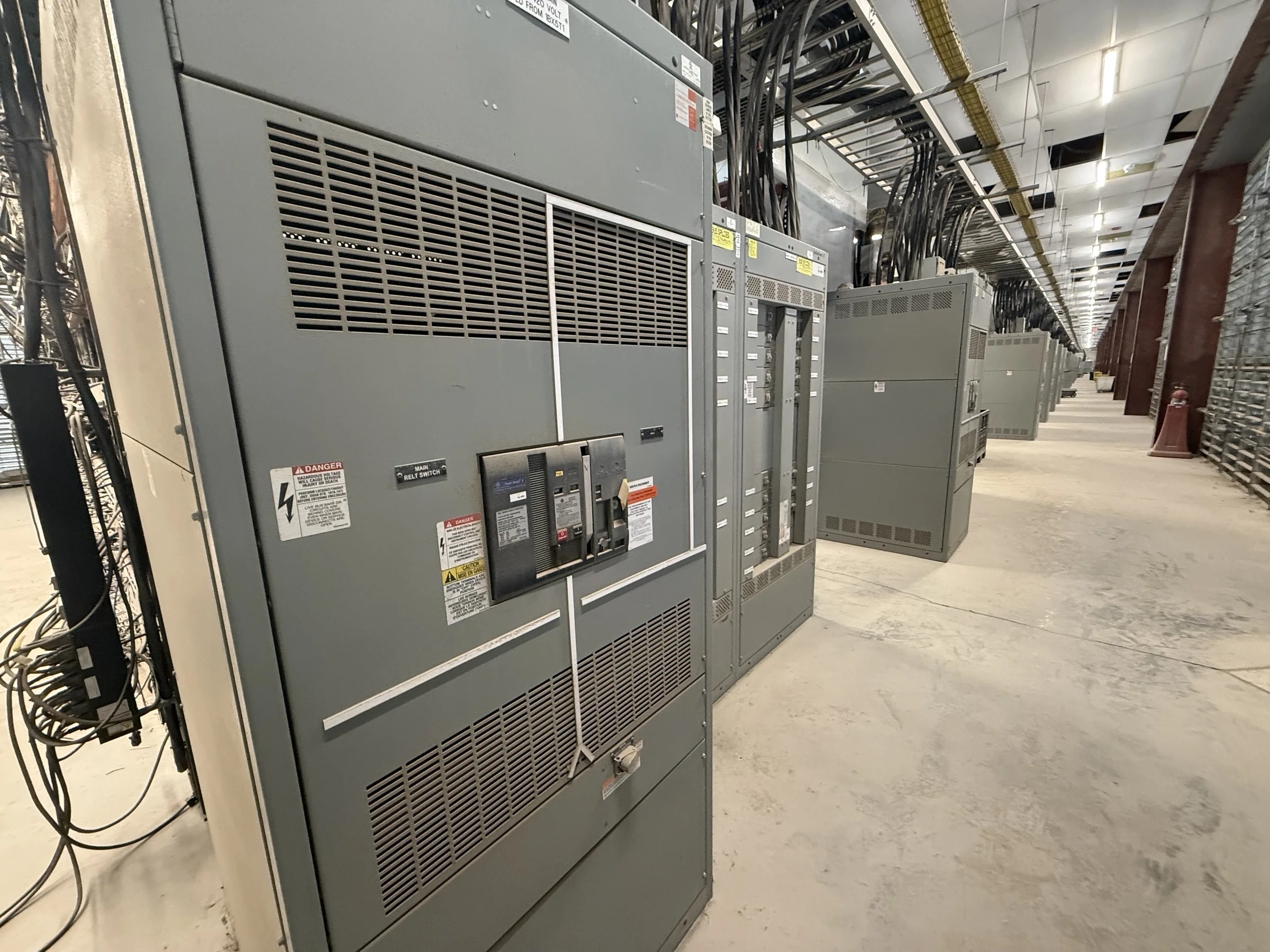
Start with the Electrical Requirements
A useful manufacturing specification begins with the system the equipment must serve, not a preferred enclosure or catalog description. Identify the service voltage, phase, frequency, available fault current, system grounding, required continuous current, and the number and type of incoming and outgoing circuits. Clarify whether the project calls for a low-voltage switchboard, medium-voltage switchgear, or another assembly; those terms are not interchangeable. Load schedules, one-line diagrams, utility information, and protective-device requirements help resolve design questions before fabrication. Also note future capacity needs, metering, control power, and any source-transfer arrangement. Missing or conflicting inputs can affect component selection, coordination, physical layout, and review time, so record assumptions and open items rather than treating unconfirmed values as final.
Coordinate Protection, Controls, and Interfaces
Protective devices and control features must work with the wider distribution system, not just fit within the lineup. Share available fault-current data, coordination objectives, upstream and downstream device information, and any arc-flash study criteria applicable to the project. Where those inputs are incomplete, ask the engineer of record or responsible facility team to confirm them; a manufacturer should not invent system settings. Define required metering, communications, alarms, interlocks, and external control connections, including who supplies field wiring and interface equipment. These details influence device selection, compartment arrangement, wiring diagrams, and commissioning plans. Resolving interface ownership early matters because an electrically sound assembly can still delay startup if controls, protective functions, or communications do not match the facility’s design.


Check the Room and the Route Before Release
The equipment has to fit both its electrical room and the path used to get it there. Provide room dimensions, ceiling height, door and corridor clearances, turning points, floor loading limits, and any restrictions on lifting or rigging. Confirm working-space requirements with the project’s qualified electrical design professionals and applicable codes; do not assume that a dimension on a general arrangement drawing settles every installation condition. Site access may also limit shipping-section width, height, weight, or the sequence in which sections can be moved and joined. Reviewing the route before approved drawings are released can expose a delivery obstacle while layout changes are still practical. This is especially important for replacement work in occupied facilities, where outages, staging space, and access windows may be constrained.
Set a Review Path for Drawings and Submittals
A clear submittal process gives engineering, procurement, and the manufacturer a shared basis for releasing the build. Typical project documents may include a one-line diagram, equipment schedule, general arrangement, elevations, wiring diagrams, device data, and connection details, as applicable to the assembly and contract. Identify the reviewer, required format, approval sequence, and any utility, engineer, or owner review that must occur before fabrication. Check names, circuit labels, cable entry locations, bus connections, control interfaces, and dimensions against the current project documents. When revisions occur, issue them through a controlled process and identify what changed. This discipline matters because an outdated drawing can lead to mismatched field connections or rework, while unresolved comments can affect the project schedule.

Discuss Timing with the Actual Scope in View
Manufacturing timing depends on the defined scope, component selection, engineering review, drawing approvals, and material availability; a short lead-time offering is not a project-specific delivery guarantee. When requesting a quote, provide the required equipment type, ratings, lineup arrangement, options, destination, and target dates, while identifying which dates are fixed and which are planning assumptions. Ask when schedule commitments can be confirmed and what events could change them, such as late design revisions or delayed approvals. If the project is phased, explain which sections or functions are needed first and whether partial shipments are feasible for the specific build. Clear timing discussions help procurement align purchasing milestones with outages, construction sequencing, and commissioning resources instead of relying on an unsupported estimate.
Plan Shipping, Receiving, and Closeout
Nationwide shipping still requires project-level coordination at the destination. Confirm the delivery address, receiving hours, unloading equipment, dock or laydown conditions, site contact, and any carrier, security, or construction-site restrictions before shipment is arranged. Determine how shipping sections will be identified and handled, and align delivery sequencing with the installation plan; packaging and handling requirements remain specific to the equipment and route. Before placing the order, document requested closeout materials, such as final drawings, equipment identification, operation and maintenance information, and applicable product documentation. Upon receipt, compare delivered sections and visible condition with the shipping documents, and promptly report discrepancies through the agreed process. Good receiving coordination protects equipment, avoids avoidable site delays, and helps the installation team begin with the correct records.