Define the FAT Scope Before the Equipment Is Built
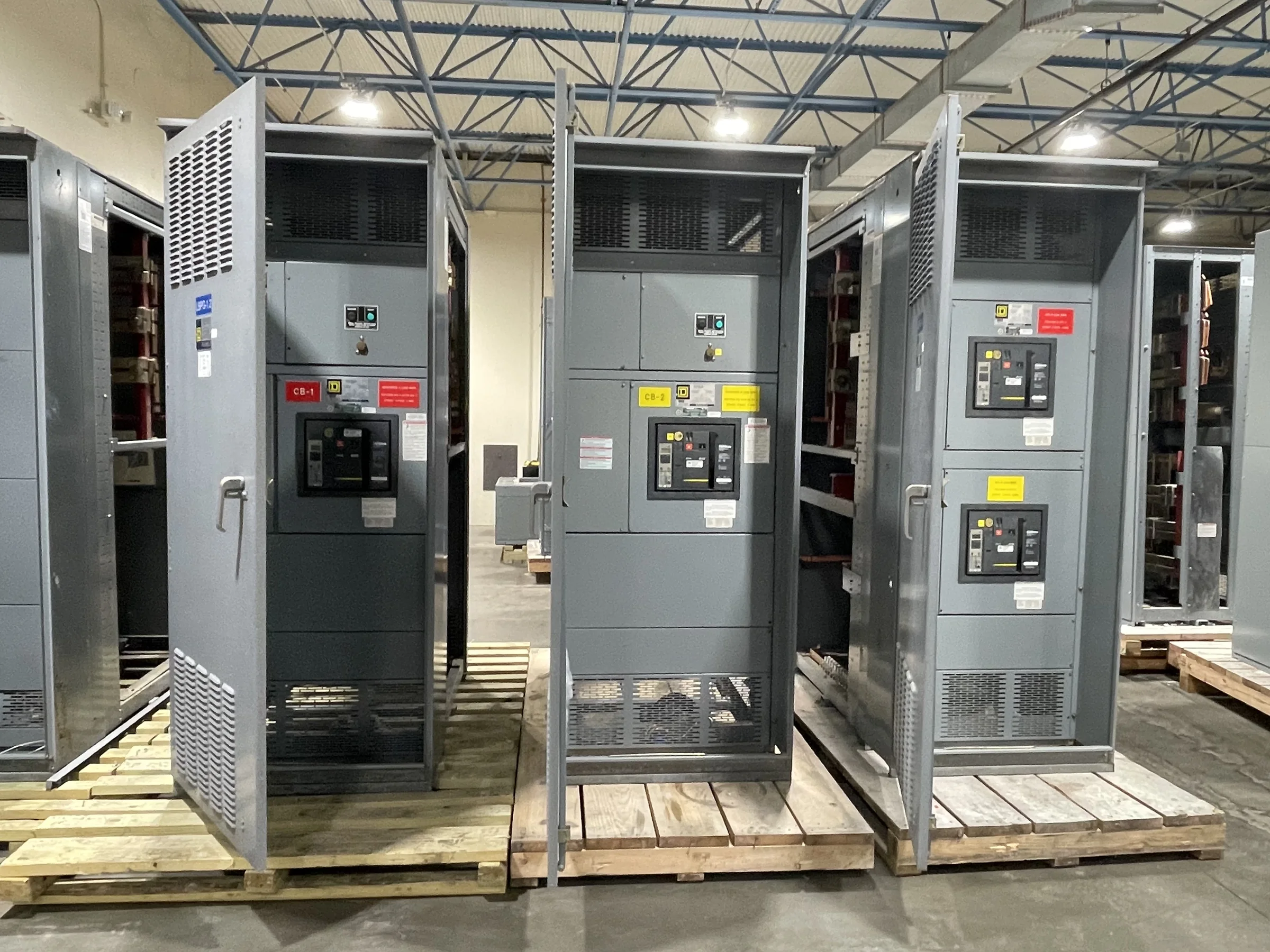
A useful factory acceptance test (FAT) starts with an agreed boundary: which switchgear sections, devices, control circuits, and project documents will be examined, and which checks are reserved for installation or commissioning. That distinction prevents a common procurement problem: assuming a factory test proves the completed field installation, including site wiring and external interlocks. Before fabrication, the purchaser, engineer, and manufacturer should align the FAT procedure with the approved drawings, equipment schedule, specifications, and purchase order. Identify required witness points, test records, acceptance criteria, and the people authorized to resolve discrepancies. Requirements depend on equipment type and project specifications; UL 891 applies to appropriately evaluated low-voltage switchboard assemblies, not automatically to medium- or high-voltage equipment. Clear scope makes the test relevant and keeps expectations realistic.
Verify Drawings, Ratings, and Component Choices
The FAT is more meaningful when the team first checks that the equipment presented matches the approved design. Review nameplates and assembly identification against the project documents, then compare the one-line diagram, elevations, wiring diagrams, device schedule, and bill of materials for consistency. Confirm that specified voltage, ampacity, interrupting or withstand ratings, bus arrangement, enclosure details, and control features are addressed as applicable to the ordered equipment; do not assume a rating transfers between configurations. Component substitutions or drawing revisions should be documented and approved through the project’s change process before testing proceeds. For a U.S.-manufactured custom build using American components, availability and suitability still depend on the project requirements and procurement timing. Catching a mismatch at the factory can avoid costly site modifications, but only if the review uses current, approved documents.

Agree on Test Methods and Acceptance Criteria
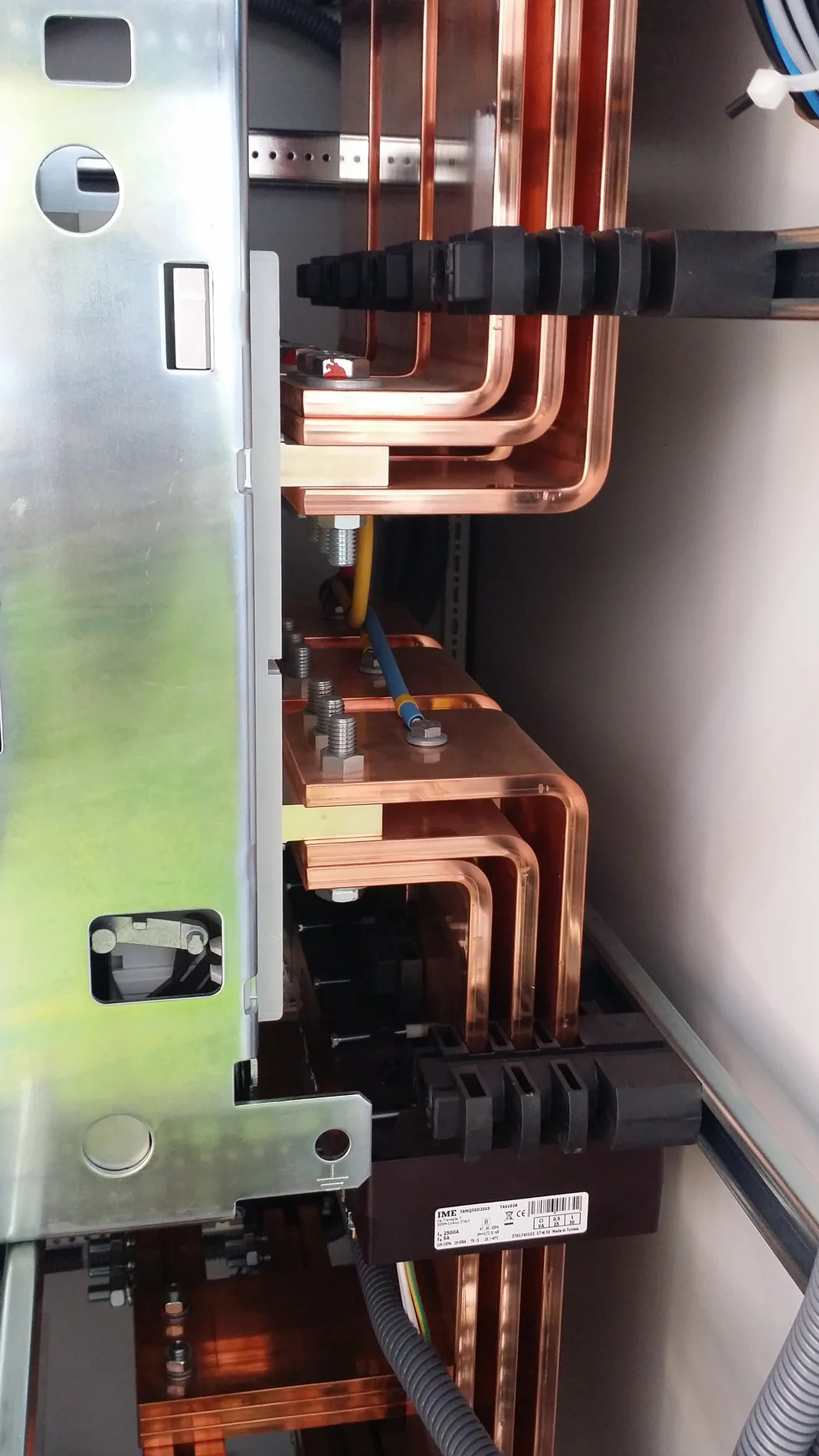
A test agenda should describe what will be inspected or demonstrated, how results will be recorded, and what constitutes an acceptable outcome. Depending on the equipment and approved procedure, a FAT may include visual and mechanical checks, verification of wiring and device operation, control-circuit checks, and demonstrations of specified interlocks or sequences. These activities are not interchangeable with every electrical design or field test, and the procedure must suit the actual assembly and governing project requirements. Define prerequisites such as approved drawings, available control power, test instruments, and safe test conditions; identify any functions that cannot be demonstrated at the factory. Never treat a successful FAT as permission to energize equipment unsafely or as a substitute for required installation checks. Written criteria reduce disagreement, support traceable decisions, and help the team distinguish a defect from a scope limitation.
Plan Witnessing Around People and Production
Witness testing requires coordination, not just a calendar invitation. Decide whether the customer, consulting engineer, commissioning representative, or other stakeholders must attend in person or can review records remotely. Assign a lead who can answer questions and record accepted deviations, open items, and retest decisions. Confirm the notice period and procedure-submittal requirements in the purchase documents; no attendance date or production slot should be assumed until the manufacturer confirms it. If a witness cannot attend, agree in advance whether the FAT may proceed and what evidence will be supplied. Travel arrangements, review time, and approval authority can all affect project schedules, especially when several organizations share responsibility. A properly organized session lets participants focus on technical evidence rather than resolving document access, attendance, or decision-making gaps during the test.

Connect Factory Results to Site Readiness
Factory results matter most when they help the installation team prepare for the actual site. Before shipment, compare the approved equipment layout and shipping breakdown with access routes, receiving capacity, room dimensions, door openings, floor or housekeeping-pad conditions, and planned lifting or moving arrangements. These constraints can affect how sections are handled and positioned, but the site’s qualified personnel must determine suitable methods for the specific equipment and building. FAT records can flag open configuration questions, yet they do not confirm that field conduits, cables, grounding, ventilation, clearances, or upstream and downstream interfaces are ready. Track unresolved items with named owners and due dates, and coordinate site-specific verification before installation and energization. This handoff reduces the risk that a tested assembly arrives only to encounter an avoidable access, interface, or readiness issue.
Preserve Records and Coordinate Delivery
Closeout should leave procurement, engineering, and operations with a consistent record of what was tested and what remains to be completed. Request the agreed FAT report, applicable test results, final approved drawings, equipment identification, and a disposition list for any exceptions or corrective actions. Check that revisions in the report match the configuration released for shipment; an untracked change can make later troubleshooting or maintenance unnecessarily difficult. Coordinate packaging, shipment sequence, receiving hours, unloading arrangements, and the destination contact before release. Nationwide shipping and short lead times may be available offerings, but delivery timing, route, packaging, and availability must be confirmed for the particular order rather than treated as guarantees. Keep the FAT package with commissioning and maintenance records, while separately completing required field inspections, connection checks, and commissioning steps before the equipment is placed in service.