Compare Manufacturers by Engineering Fit
When evaluating industrial switchgear companies, start with the equipment’s role in the distribution system, not a broad product label. Confirm whether the project calls for a low-voltage switchboard, switchgear, or medium-voltage equipment; these terms are not interchangeable, and the applicable standards and evaluation requirements differ. Share the one-line diagram, system voltage, available fault-current information, and intended service arrangement so the manufacturer can identify questions before a quotation is finalized. Ask how proposed equipment aligns with the existing system and what assumptions remain open. A U.S. manufacturer offering custom builds and American components may be a fit for project-specific requirements, but component origin alone does not establish compatibility, listing, or suitability. Verify the proposed assembly and scope against the project documents.
Build a Complete, Reviewable Specification
A useful request for quotation gives bidders a consistent basis for pricing while leaving unresolved engineering decisions visible. Include the one-line diagram, load and feeder schedules, equipment location, system grounding, incoming source details, and the required construction and environmental conditions. Identify metering, control power, protective devices, communications, and preferred component manufacturers where those choices are defined by the project. If short-circuit ratings, interrupting ratings, or coordination requirements are not confirmed, flag them for engineering review rather than treating an allowance as final. Provide the governing project specifications and any approved deviations. For low-voltage switchboard assemblies, UL 891 may be relevant when required and when the assembly is appropriately evaluated; it should not be assumed for every product or extended to medium-voltage equipment.


Resolve Interface and Replacement Questions Early
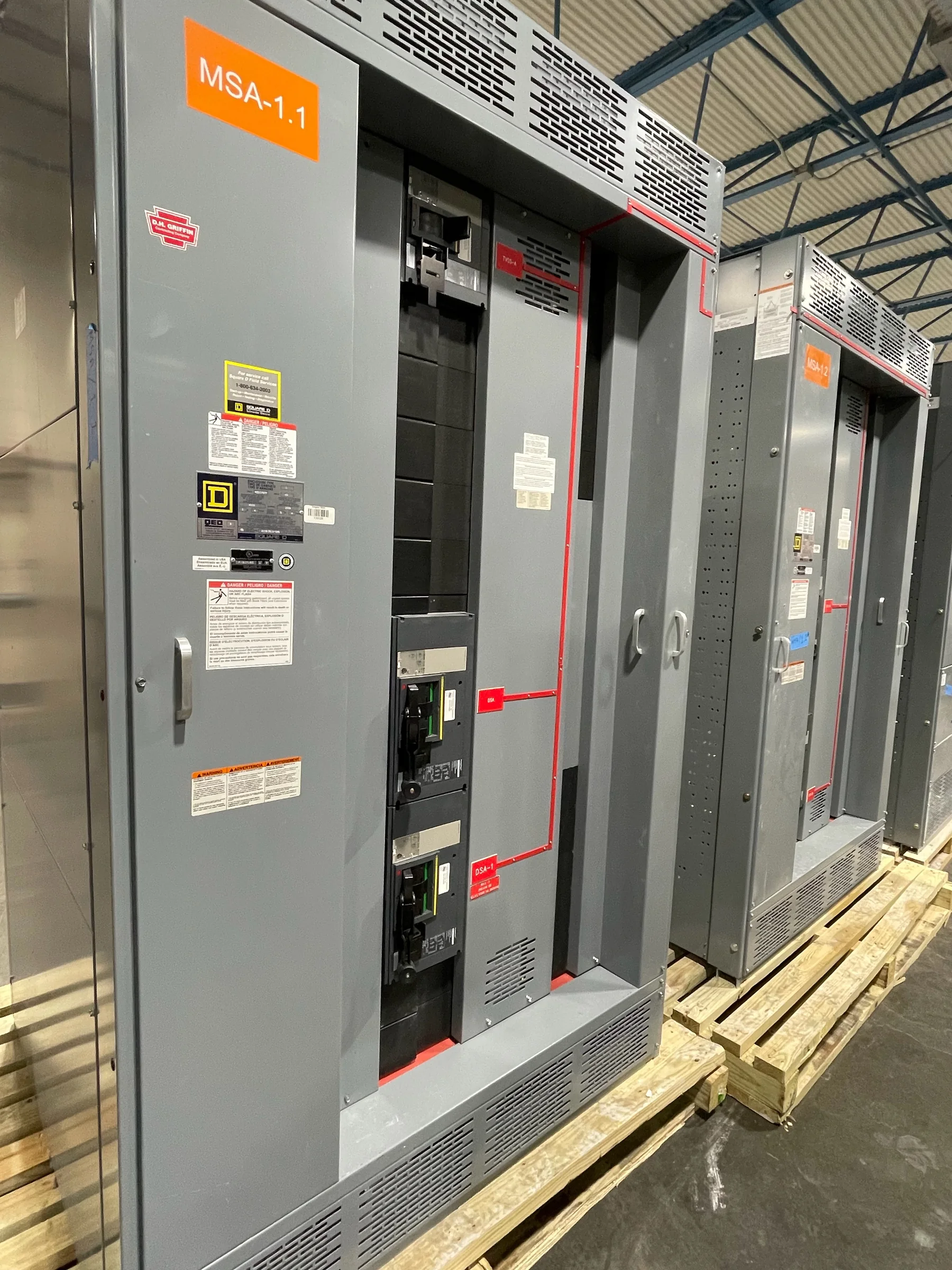
Replacement work often turns on physical and electrical interfaces that are easy to overlook in a budget estimate. Record existing equipment dimensions, conduit entry locations, bus connections, cable bending space, working clearances, and the route from receiving point to final location. Confirm whether the project is a complete replacement, an addition, or a retrofit, and identify which existing components must remain in service or connect to the new assembly. Photographs and verified field measurements help expose conflicts, but they do not replace engineering review of the drawings and system data. Ask the manufacturer to state the boundaries of its quoted scope, including what information, field verification, and installation coordination are expected from others. Clear interfaces reduce late design changes and avoid assuming new equipment will fit simply because its rating matches.
Treat Schedule as a Project Input, Not a Promise
Equipment timing depends on the approved design, component selection, submittal review, manufacturing sequence, and release of complete project information. A stated short lead time is an offering to discuss, not a delivery guarantee for every configuration. Ask when the schedule begins, which approvals or customer-furnished details are prerequisites, and how design changes affect the target date. Coordinate procurement milestones with construction sequencing, outage planning, temporary power needs, and the availability of qualified installation personnel. Long-lead components or unresolved protection and control choices can affect the plan even after a purchase order is issued. Put the assumed dates, required approvals, and schedule updates in the project correspondence, then revisit them when the scope changes. This makes schedule risk visible before it becomes a site constraint.
Plan Delivery Around the Facility
Nationwide shipping does not eliminate the need to plan the final leg of delivery. Confirm the receiving hours, unloading equipment, access restrictions, indoor storage conditions, and route from the truck to the equipment room before shipment is arranged. Large assemblies may face doorway, elevator, floor-loading, turning-radius, or staging-area limits, so compare shipping dimensions and handling requirements with verified site conditions. Establish who receives the shipment, checks it for visible damage, records exceptions, and protects it until installation. For operating industrial facilities, coordinate delivery windows with production traffic, security procedures, and any restrictions on dock or yard access. Ask the manufacturer and carrier to clarify packaging, shipment coordination, and documentation responsibilities; do not assume freight delivery includes rigging, placement, or installation.
Review Submittals, Acceptance, and Handover
Before authorizing fabrication, review drawings and equipment data against the purchase specification, one-line diagram, site dimensions, and approved coordination decisions. Check ratings, device and metering selections, cable and bus interfaces, enclosure details, and control or communication requirements; route questions to the responsible engineer rather than relying on a general equipment description. Agree on the documents needed for installation and turnover, such as approved drawings, operating information, and applicable test or evaluation records for the supplied assembly. At receiving and installation, use the project’s inspection and commissioning procedures and follow required de-energization and safety controls; energized work is not a substitute for proper planning. Record approved changes and final equipment identification so facility staff can maintain the system and future procurement can use accurate as-built information.