Define What Factory Testing Must Prove
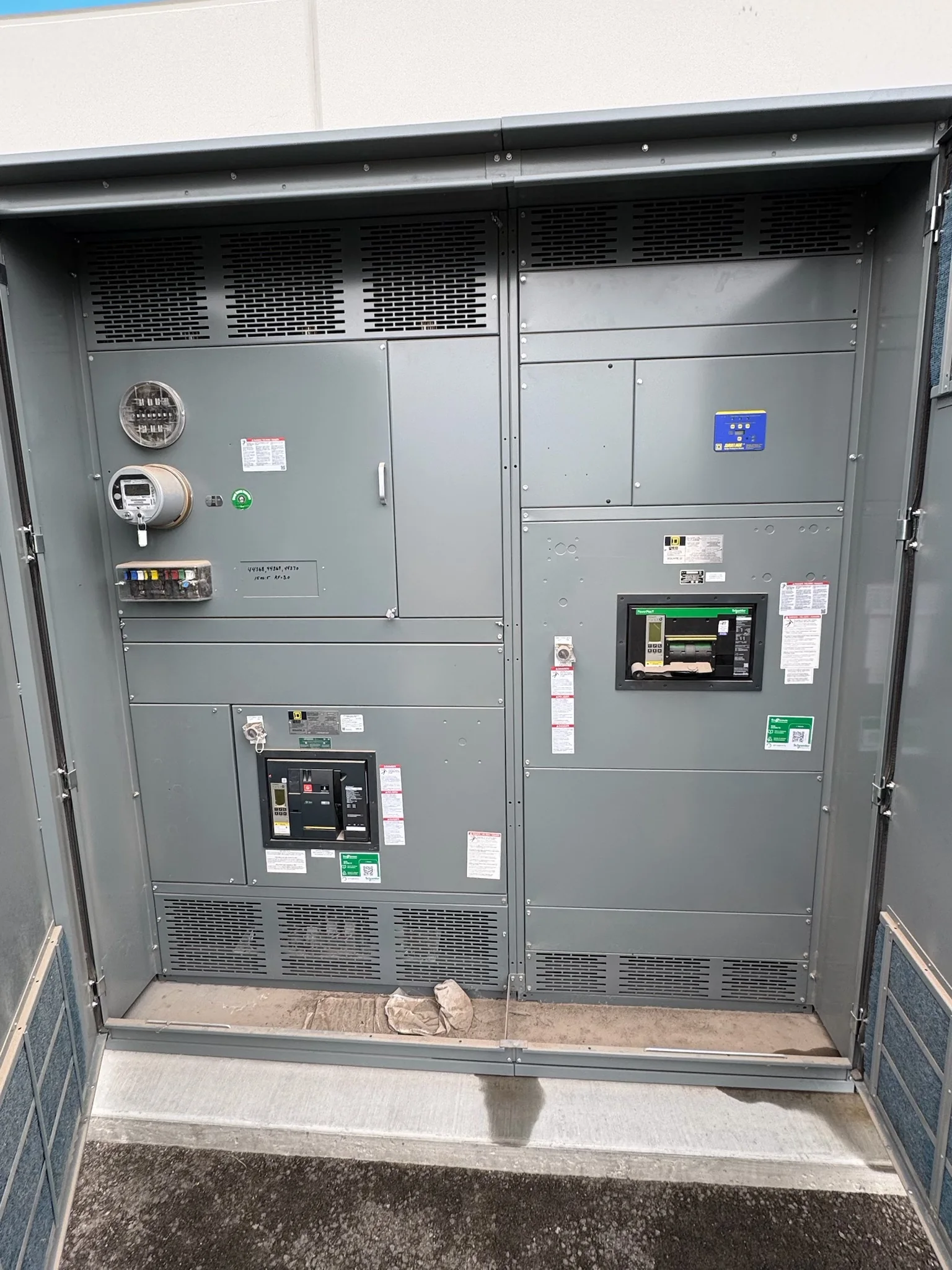
Factory testing is most useful when it is tied to the project’s approved drawings, equipment schedule, and written acceptance criteria—not treated as a generic final check. Before fabrication, identify which assemblies and functions require inspection, what records the purchaser expects, and who will review or witness the work. For a low-voltage switchboard, the applicable construction and evaluation requirements differ from those for medium-voltage switchgear; UL 891 applies to appropriately evaluated low-voltage switchboard assemblies, not to every voltage class or product. Confirm the intended standard, scope, and labeling expectations for the specific equipment. This early alignment can expose gaps between the specification and the purchase order while corrections are still practical, reducing late approval questions and preventing an unclear test record from delaying shipment.
Match Checks to the Equipment and Application
A meaningful factory test plan reflects the supplied design and intended service. Depending on the equipment, the scope may include examination of workmanship, verification of wiring against approved drawings, checks of mechanical operation, and appropriate electrical tests performed under controlled conditions. The exact procedures, limits, and acceptance criteria must come from the project requirements and applicable product standards; they should not be inferred from a general checklist. Application details matter: a lineup serving critical loads may require particular attention to control circuits, interlocks, metering, or protective-device coordination, while a straightforward distribution assembly may have a different verification emphasis. Ask the manufacturer to identify what is included, what is excluded, and which results will be documented. That clarity helps engineers assess whether the test scope addresses the real operating risks.

Resolve Drawings, Devices, and Interfaces Before the Test
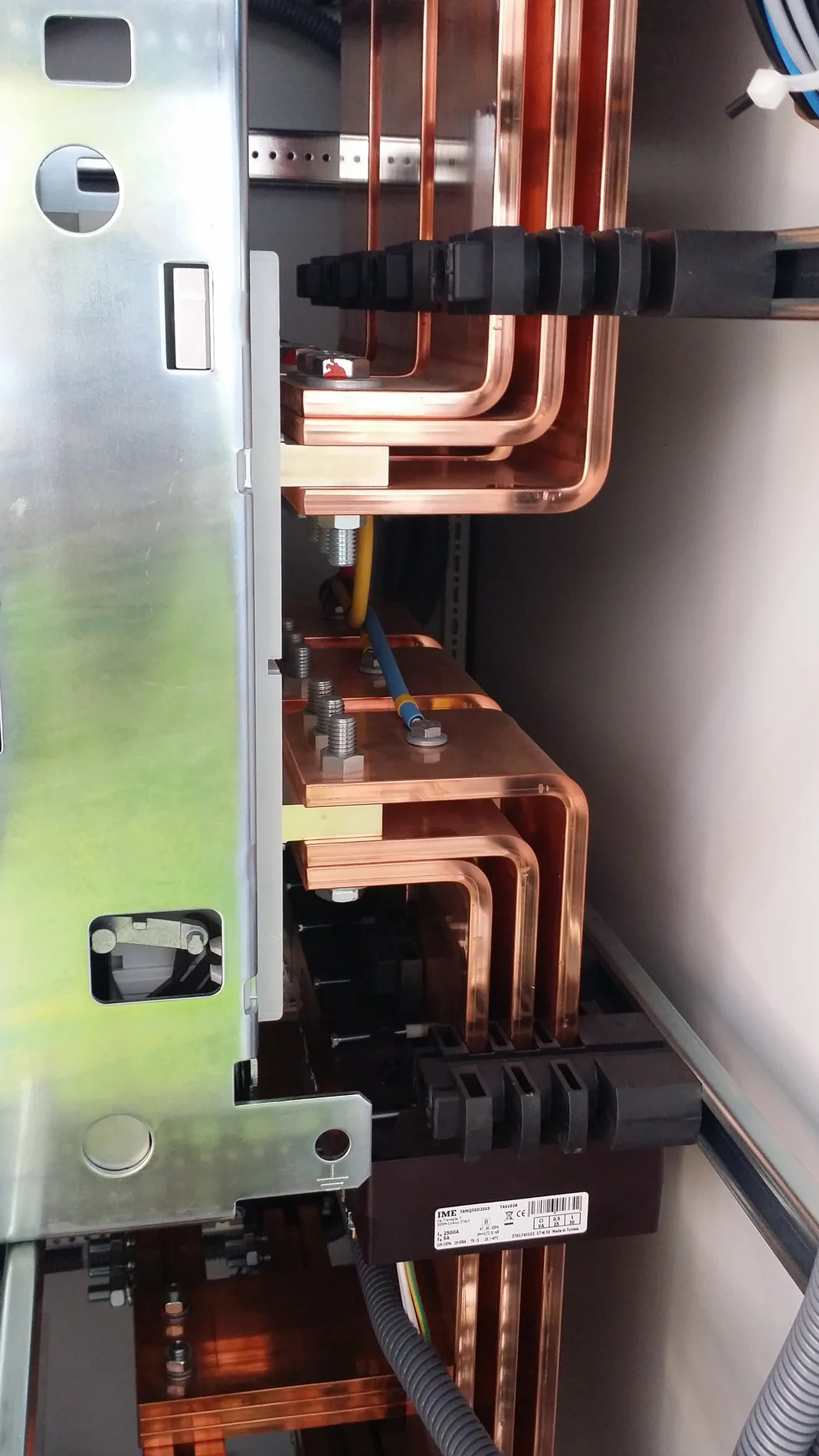
Factory testing cannot compensate for unresolved design interfaces. Review the approved one-line diagram, elevation, wiring diagrams, device schedule, and connection details against the purchase specification before the assembly reaches its test stage. Check that specified breakers, relays, meters, communications components, and control-power arrangements are represented as intended, while treating substitutions and compatibility as matters for project approval. Also examine interfaces with upstream and downstream equipment: bus connections, cable entry, grounding, external control wiring, and available space can affect both installation and verification. If a relay setting file, communications protocol, or customer-supplied device is needed for functional checks, define responsibility and timing in advance. Closing these questions early gives the test team a stable basis for review and reduces the chance that a successful factory test still leaves a site integration problem.
Plan Witnessing and Records Around Project Approvals
Purchasers should decide early whether factory testing will be witnessed, reviewed remotely, or accepted through submitted records, then state that expectation in the order documents. Witnessing can help resolve questions about scope and operation, but it requires agreed dates, attendee access, and a defined process for recording observations and dispositioning discrepancies. Request the documentation relevant to the purchase, such as approved test procedures, completed results, inspection records, and final drawing revisions, with the exact deliverables set by contract. Establish which documents require approval before release for shipment; an unclear review hold can affect project sequencing even when the equipment itself is ready. Engineering, quality, procurement, and the facility representative should use consistent revision control, so everyone evaluates the same configuration and retains an auditable record of what was tested.

Treat Test Findings as a Controlled Resolution Process
A failed check or discrepancy should prompt a documented review, not an informal assumption that the assembly is acceptable. The parties need to identify the affected component or function, determine whether the cause is workmanship, configuration, documentation, or an external test condition, and agree on corrective action and any required retest. The project specification and applicable acceptance criteria govern disposition; a purchaser should not waive a requirement without authorized review. Track open items to closure and make sure revised drawings, device information, and test records reflect the final configuration. This discipline matters because field crews rely on accurate documents when receiving, installing, and commissioning equipment. It also prevents a resolved factory issue from resurfacing as a confusing discrepancy during site acceptance or operations handoff.
Coordinate Release, Delivery, and Site Readiness
Passing factory checks is one part of a successful delivery plan, not proof that the site is ready to receive or energize the equipment. Confirm release requirements, shipping configuration, receiving access, unloading responsibility, storage conditions, and the route from the delivery point to the electrical room. Compare equipment dimensions and handling needs with doorways, turns, floor capacity, staging space, and construction progress; a lineup can be complete but difficult to move into an unfinished room. Align the expected shipment window with site supervision and any required inspection or installation resources, while treating timing and availability as project-specific rather than guaranteed. After delivery, inspect and document visible shipping condition, retain the factory records, and plan installation and commissioning under qualified personnel and approved procedures, with equipment de-energized for work.